

Understanding Risk Management Process
📊 Understand how Pakistani businesses manage risks through identification, assessment, control, and review. Practical steps to keep operations safe and effective.
Edited By
Liam Foster
Project risk management is a key factor in ensuring any project’s success, especially in Pakistan where market conditions and regulatory environments can shift quickly. Simply put, it’s about spotting potential problems before they happen and figuring out how to tackle them without derailing the whole project.
Managing risks involves three main steps: identifying risks, analysing their impact, and responding effectively. For example, a software development project in Lahore might face risks such as unreliable internet connectivity or sudden regulatory changes by Pakistan Telecommunication Authority (PTA). Recognising these risks early allows project teams to prepare contingency plans, like offline functionalities or compliance checks, saving time and resources.
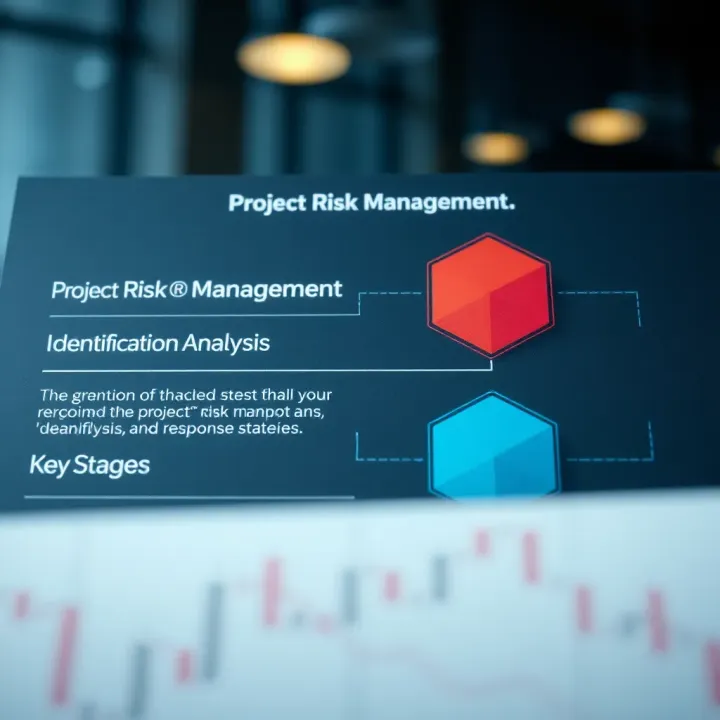
Different projects will call for different risk management methods. Techniques such as risk registers, SWOT analysis, and probability-impact charts are commonly used. Pakistani firms often apply qualitative methods first to prioritise risks quickly, then follow up with quantitative analysis when allocating budgets or timelines. This approach is practical when dealing with limited data or tight deadlines.
Effective risk management reduces surprises and keeps projects on track, ultimately protecting investments and stakeholder confidence.
Common challenges in Pakistani projects include lack of formal risk assessments, low awareness among teams, and unexpected political or economic changes. For example, sudden currency devaluation can impact procurement costs, affecting budgets if not anticipated.
Here’s how to stay ahead:
Involve all team members early in identifying risks
Keep risk documentation up to date throughout the project
Adapt risk responses to changing conditions without delay
Use digital tools suited for Pakistan’s project environments, like Microsoft Project or local platforms
Understanding and applying these core concepts improves the likelihood that your projects will meet deadlines and deliver expected value. For those working in finance, crypto, or investment sectors, where market volatility is no stranger, a structured approach to project risk management is not just helpful but necessary.
Project risk management forms the backbone of any project, especially when tackling complex ventures like infrastructure development in Karachi or an IT rollout for a Islamabad-based firm. It revolves around systematically identifying, analysing, and responding to threats that may derail the project's objectives. Properly defining what risk management entails helps professionals target their efforts precisely, avoiding costly missteps in scope, time, or budget.
In practical terms, risk in projects is any uncertain event or condition that, if it happens, can have a positive or negative impact on the project's goals. For example, a contractor delay in Lahore could push back deadlines, while a sudden dip in steel prices might reduce costs. Recognising both upside and downside risks allows project managers to be proactive rather than reactive. This understanding is crucial, as ignoring risks or misjudging their potential impact can lead to overruns or subpar outcomes.
The main aim of risk management is to minimise threats and maximise opportunities, thereby steering the project towards its intended outcomes. For instance, in a fibre-optic network installation, managing risks might involve securing reliable suppliers to avoid material shortages or scheduling work around known monsoon seasons to prevent weather disruptions.
Key goals include:
Identifying risks early to prepare safeguards
Analysing risks to understand severity and likelihood
Planning responses to reduce negative effects or capture benefits
Monitoring risks throughout the project to adapt as situations evolve
Effective risk management leads to fewer surprises and smoother project execution, saving both time and money.
By clearly defining project risk management, professionals get a focused framework that informs decisions, aligns teams, and supports sound judgment amid uncertainty. In Pakistan's often unpredictable market and infrastructure landscape, such clarity is more than helpful — it's essential for success.
Project risk management is a systematic process that helps you spot, assess, and handle uncertainties that might derail your project goals. Understanding its core stages gives you a clear roadmap to minimise surprises and keep everything on track.
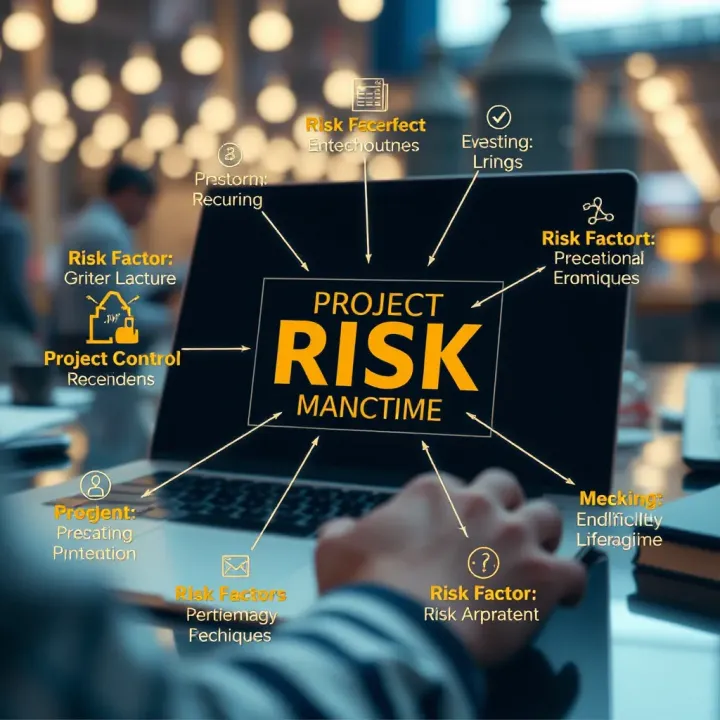
This stage is all about spotting potential threats early. It involves brainstorming with the team, reviewing past projects, and analysing business environments to list risks that could hit timelines, budgets, or quality. For example, in a software development project in Karachi, identification might include outages in power supply due to loadshedding or delays in equipment import. The more thorough you are here, the better prepared you become.
Once risks are listed, you need to gauge their potential impact and likelihood. This can be qualitative, like categorising risks as high, medium, or low, or quantitative, where numerical data determines the cost or time delays caused by risks. For instance, assessing a foreign exchange fluctuation risk for payments to international vendors could involve calculating probable PKR losses. This analysis prioritises risks so you focus on those that matter most.
After deciding which risks are most pressing, you develop strategies to handle them. Responses generally fall into four types: avoid, transfer, mitigate, or accept. Suppose a project depends on a single supplier facing political instability; you might decide to source from an alternative supplier (mitigate) or arrange insurance (transfer). This stage ensures you have clear actions if risks occur, reducing surprise and damage.
Risk management doesn’t stop once the plan is ready. Continuous monitoring tracks identified risks and scans for new ones during project execution. Regular status meetings and risk reviews maintain awareness. For instance, a construction project in Lahore might face sudden weather changes during monsoon season, requiring real-time response adjustments. Controlling risks keeps the project on course and prevents small issues from escalating.
A well-structured risk management process means fewer shocks and smoother project delivery. By moving step by step—identifying, analysing, planning response, and monitoring—you build resilience against the many uncertainties in Pakistani projects.
These core stages are the backbone for any project manager or stakeholder serious about safeguarding investment, timeline, and quality. Each stage connects closely; skipping one risks leaving your project exposed to unexpected setbacks.
Project risk management relies heavily on the right techniques and tools to spot, analyse, and handle risks effectively. In the fast-moving markets and unpredictable regulatory environment of Pakistan, using these tools ensures projects avoid costly surprises and stay on track.
Risk assessment falls into two main types: qualitative and quantitative. Qualitative assessment is about understanding risk impact through expert judgment and categorising risks as high, medium, or low based on probability and severity. For example, a construction firm in Karachi might use qualitative analysis to quickly prioritise risks like material delays due to monsoon rains.
On the other hand, quantitative risk assessment uses numerical data and statistical methods to estimate risk probabilities and their financial impact. It involves techniques like Monte Carlo simulations or decision tree analysis. A fintech startup in Lahore could apply this to forecast potential losses from cyber threats or regulatory fines, assigning exact figures to likely risk outcomes. Combining both assessments provides a clearer picture and helps allocate resources where they matter most.
A risk register is a fundamental tool for keeping track of all identified risks. It records details such as risk descriptions, likelihood, impact, owners responsible for monitoring, and mitigation steps. Think of it as a project's risk diary that evolves over time. In Pakistan’s project environment, where changes are frequent, the risk register serves as a live document guiding decision-making.
Proper documentation means risks are not forgotten, and accountability is clear. For instance, an infrastructure project in Islamabad can rely on an updated risk register to inform stakeholders about challenges like load shedding or delays in land acquisition.
Risk mitigation involves concrete actions to reduce the chance or impact of risks. Strategies vary from transferring risks via insurance, adopting alternative technologies, scheduling buffer time, or training staff.
Consider a software development firm in Islamabad facing the risk of key staff leaving. The mitigation strategy would include cross-training team members rather than depending on a single expert. Similarly, a manufacturing business in Faisalabad may invest in backup generators to counteract loadshedding disruption.
Organising clear mitigation plans helps projects act swiftly and reduces uncertainty, improving overall confidence for investors and stakeholders.
Managing project risks using these practical tools not only covers all bases but also builds a culture of preparedness, which is particularly valuable in Pakistan’s dynamic business scene.
Using qualitative and quantitative assessments, maintaining a real-time risk register, and planning targeted mitigation steps are key pillars that make risk management more manageable and effective. Pakistani projects that adopt these techniques increase their chance of timely and profitable completion.
Implementing risk management in projects remains a tough task, especially in Pakistan’s dynamic business environment. Understanding these challenges helps project managers anticipate and handle roadblocks before they escalate. Identifying realistic obstacles ensures risk management is not just a theory but a practical tool that safeguards project success.
One major obstacle is the lack of formal risk management culture within organisations. Many Pakistani firms still treat risk assessment as an afterthought, done only when problems emerge. For example, in infrastructure projects, ignoring early identification of supply delays or resource shortages can result in costly overruns.
Another issue is inadequate training. Project teams often lack exposure to structured risk techniques like qualitative analysis or using risk registers effectively. Without these skills, they struggle to prioritise risks or plan responses efficiently, which leads to missed warning signs.
Additionally, communication gaps frequently hinder effective risk handling. In multi-stakeholder projects involving government departments or private contractors, inconsistent sharing of risk information can cause surprises and delays. Political influences and changing regulations add complexity, making it harder to forecast risks accurately.
Financial constraints also play a role. Smaller companies may hesitate to invest in risk management tools or dedicate personnel. Consequently, they rely on informal, reactive approaches that fail to mitigate risks proactively.
Resistance usually arises due to a perceived increase in workload and fear of accountability. Staff might see risk management as extra paperwork rather than a helpful practice. To counter this, leadership must demonstrate its value by linking risk management outcomes with project benefits, such as reduced delays or cost savings.
Awareness can be improved through regular training sessions tailored to Pakistani contexts. For instance, workshops can focus on managing risks specific to sectors like textile manufacturing or IT services, which are vital parts of Pakistan’s economy. Practical examples from success stories inspire teams to adopt structured risk processes.
Promoting transparent communication channels also reduces resistance. Encouraging open discussion about potential risks without blame creates a culture where problems are addressed early. Regular risk review meetings involving all stakeholders, including clients and contractors, help maintain shared responsibility.
Embedding risk management into routine project tasks, rather than treating it as an add-on, gradually shifts perception and boosts commitment.
In essence, tackling obstacles requires a mix of training, communication, leadership support, and cultural change. Pakistani projects that invest in these areas enjoy stronger control over uncertainties and better chances of completing on time and within budget.
Risk management is a key ingredient for project success, especially in Pakistan’s challenging business environment. Without properly handling risks, even well-planned projects can face delays, cost overruns, or total failure. By identifying and managing risks early, project teams can prevent surprises and keep things on track.
Effectively managing risks improves project outcomes by reducing uncertainties that could derail timelines or budgets. For example, a construction firm in Karachi avoided a Rs 10 crore loss by spotting supply chain risks early and securing alternative vendors before the shortage hit. This proactive approach benefited not only the company but also clients, subcontractors, and investors who rely on timely project delivery.
Risk management also safeguards stakeholder interests. Projects usually involve multiple parties, including sponsors, users, and regulators. Each stakeholder fears potential setbacks that affect returns, reputation, or compliance. When risks are presented transparently and addressed systematically, it builds trust and collaboration among these groups. They feel confident that their concerns are taken seriously, reducing friction during project execution.
Transparent risk management acts like a safety net, protecting both the project’s objectives and everyone involved from costly shocks or conflicts.
For risk management to be truly effective, it must become part of the project culture rather than a one-off exercise. Incentivising teams to report potential risks without fear promotes openness. Regular training on risk concepts tailored to local realities—like political instability, currency fluctuations, or loadshedding—helps everyone understand why managing risks matters.
Tech companies in Pakistan, for instance, build risk reviews into sprint planning meetings. This keeps risk assessment dynamic, not a tick-box at kickoff only. Leaders must also model risk-aware behaviour by openly discussing challenges and supporting risk response efforts. When risk management is embedded into daily routines, it becomes natural, avoiding costly oversights.
In summary, embedding risk management within a project’s DNA shields against avoidable failures and strengthens decision-making. It helps projects run smoother, finishes on schedule, and delivers expected value - outcomes essential for businesses looking to thrive amid Pakistan’s complex market conditions.
📊 Understand how Pakistani businesses manage risks through identification, assessment, control, and review. Practical steps to keep operations safe and effective.
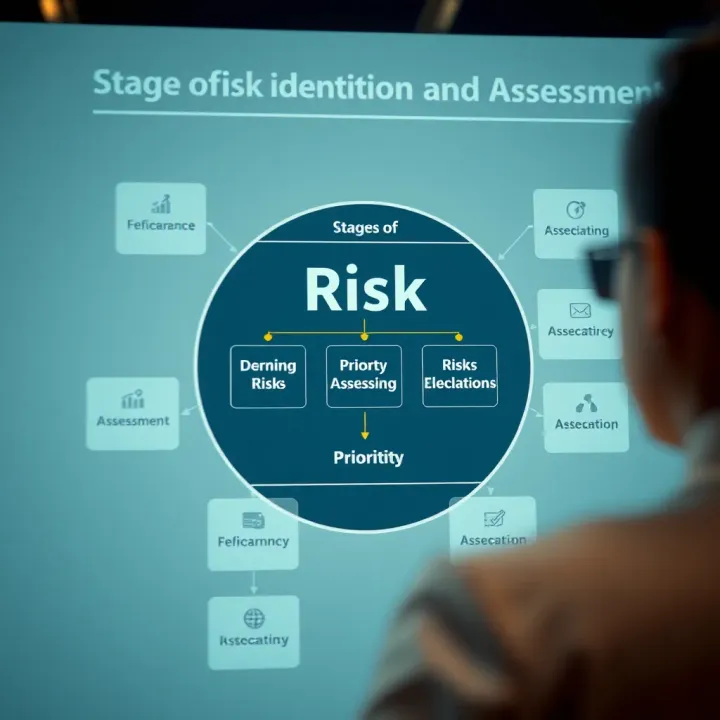
📊 Learn how risk management helps Pakistan's businesses and projects identify, evaluate, and reduce risks to protect growth and assets effectively.
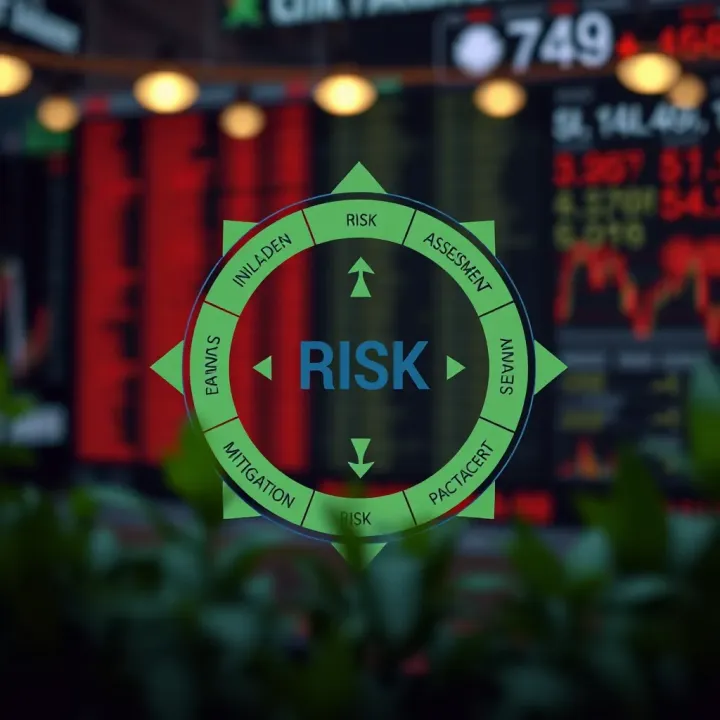
Explore risk management frameworks key principles ✅, practical steps, and Pakistan-specific challenges 🏢. Learn to tailor systems suited to local business needs 🇵🇰.
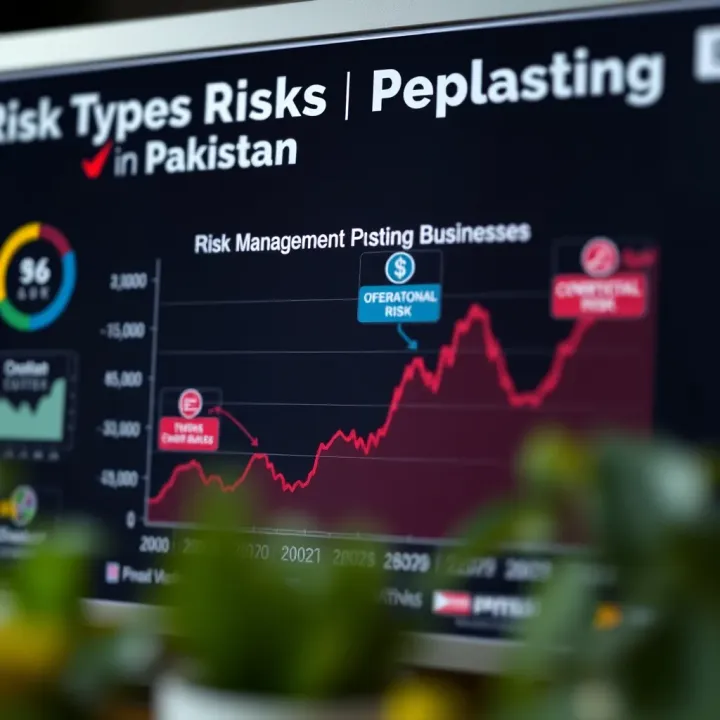
📊 Risk management is vital for Pakistani businesses to identify and control uncertainties, avoid financial losses, and thrive despite economic and regulatory challenges 🇵🇰.
Based on 9 reviews