

Benefits of Effective Risk Management
Discover how effective risk management helps Pakistani businesses reduce losses 💼, boost decision-making 🧠, ensure compliance 📜, and drive success 🚀.
Edited By
Benjamin Clarke
Risk management is not just a buzzword but a practical necessity for businesses operating in Pakistan's dynamic environment. It helps organisations identify potential problems before they arise, assess their impact, and put controls in place to reduce harm to operations and finances. For traders, investors, financial analysts, crypto enthusiasts, and stockbrokers, understanding how Pakistani companies manage risk offers insight into their resilience and growth prospects.
In Pakistan, businesses face unique risks such as currency fluctuations, political instability, regulatory changes, and infrastructure challenges like loadshedding. For instance, a textile manufacturer in Faisalabad might struggle with unpredictable electricity outages, directly affecting production schedules and export deadlines. Without proper risk management, this could lead to contract penalties or lost business.
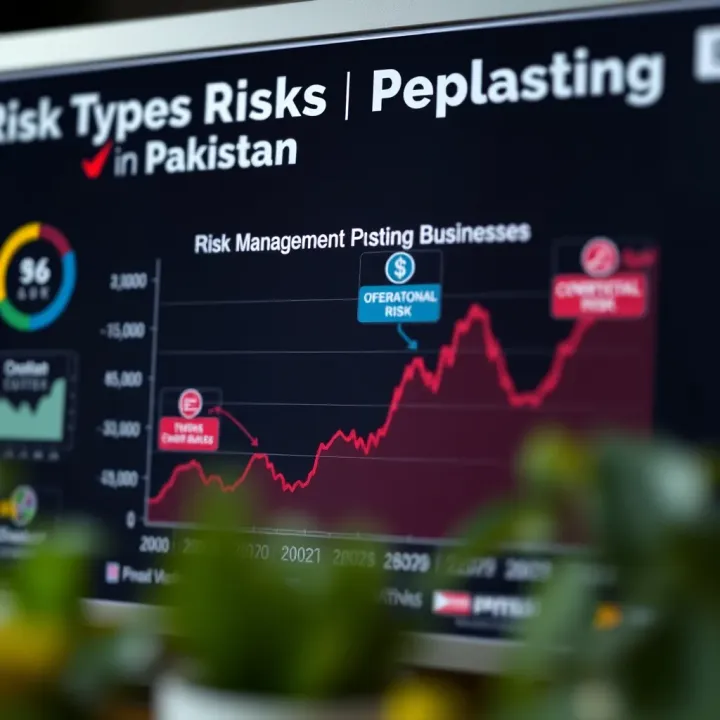
Effective risk management involves:
Identifying Risks: From market volatility and credit risks to cyber threats targeting financial data.
Assessing Impact: Estimating how much damage a risk event could cause in financial or operational terms.
Implementing Controls: Using strategies like insurance, diversification, hedging, or backup power solutions.
Pakistani businesses that take risk management seriously tend to protect their assets better and make more informed decisions, which is crucial given the country's fluctuating economic conditions.
For example, stockbrokers who understand how companies anticipate and tackle supply chain disruptions can better predict financial performance. Crypto investors watching regulatory signals from the State Bank of Pakistan (SBP) or the Securities and Exchange Commission of Pakistan (SECP) can adjust their strategies accordingly. Similarly, financial analysts benefit from evaluating how risk mitigation improves a firm’s stability and creditworthiness.
Moreover, risk management isn’t just about avoiding losses. It also helps businesses identify opportunities hidden within uncertainties. A company that analyses market risks may spot trends early, gaining a competitive edge. This proactive approach supports sustainable growth despite challenges Pakistani businesses routinely face.
Ultimately, incorporating a robust risk management system equips Pakistani businesses to navigate local complexities with greater confidence, boosting investor trust and long-term success.
Risk management is the process of identifying, evaluating, and controlling potential threats that can harm a business. In Pakistani contexts, where political instability, economic fluctuations, and infrastructure issues are common, understanding risk management improves a business’s chance to survive and thrive. It helps businesses spot problems before they escalate, allowing smarter planning and resource use.
At its core, risk management involves spotting possible risks, analysing their impact, and deciding on actions to reduce or handle them. These risks can be financial, operational, legal, or strategic. For example, a textile business in Faisalabad might face operational risks from power outages (loadshedding), while a stockbroker might worry about market volatility affecting client portfolios. The goal is not to avoid every risk but to manage them in a way that prevents losses and supports growth.
Financial stability is fragile in Pakistan due to exchange rate swings and inflation. Businesses that manage risk well can buffer these shocks. For instance, exporters dealing in dollars hedge currency risks to protect profit margins. Without such measures, a sudden depreciation of the PKR against the USD can erase earnings overnight. On the other hand, small retailers using cash sales only risk running into default if customers delay payments. Careful credit risk assessment keeps cash flow steady and avoids sudden financial strain.
A firm’s reputation takes years to build but can vanish quickly if risks are ignored. Consider a consumer electronics company in Karachi facing product quality issues due to supply chain interruptions. Failure to manage this risk might result in bad reviews, lost clients, and regulatory scrutiny. On the other hand, a company with clear risk controls can respond swiftly to crises, retaining customer trust. In Pakistan’s competitive market, this trust often decides which businesses survive beyond short-term gains.
Pakistani businesses face complex regulatory environments, with frequent updates from bodies like the Federal Board of Revenue (FBR). Non-compliance risks hefty fines or shutdowns. For example, companies without proper tax planning risk penalties during audits. Effective risk management includes staying updated on regulatory changes and preparing for them. Non-financial risks like environmental laws or labour compliance also require attention. Those businesses that proactively manage these risks reduce legal troubles and maintain smoother operations.
Pakistani businesses that master risk management gain stronger finances, lasting reputations, and smoother dealings with regulators, giving them an edge in a tough market.
Understanding these elements helps traders, investors, and financial analysts gauge how businesses guard themselves in Pakistan’s uncertain economic climate. Efficient risk management is not just policy — it’s a practical shield against real challenges.
Businesses in Pakistan face a diverse range of risks that can impact their operations, profitability, and long-term sustainability. Understanding these risks is vital for traders, investors, and financial analysts to prepare effective strategies. These risks span operational, financial, regulatory, and strategic areas, each with its own challenges and required responses.
Loadshedding remains a major hurdle for Pakistani businesses, disrupting manufacturing timelines and service delivery. Frequent power outages affect production lines in factories or even data operations in IT firms. For example, textile units in Faisalabad often face machinery downtime, causing delays and financial loss. Without reliable backup power solutions, such interruptions severely reduce operational efficiency.
The overall infrastructure weakness extends to roads and communication networks, affecting timely deliveries and business communication. Traders in remote areas struggle with transporting goods when roads are damaged due to monsoon rains or poor maintenance. These factors add hidden costs and risk to daily operations.
Pakistani businesses heavily depend on both local and international supply chains. Disruptions caused by political instability, customs delays, or import restrictions can choke supply lines. Electronic retailers in Karachi, for instance, face stock shortages when container clearance slows down at ports, resulting in lost sales and customer dissatisfaction.

Besides delays, lack of alternative suppliers often leaves businesses vulnerable. When a key supplier faces issues, companies may find it hard to source materials quickly, leading to halted production. Effective risk management involves diversifying suppliers and developing contingency plans.
The Pakistani Rupee's volatility against major currencies presents a significant financial risk. For importers and exporters, sudden exchange rate changes affect invoicing and profit margins. Consider a firm importing machinery priced in US dollars; a sudden depreciation of the rupee increases costs beyond initial budgets, squeezing profitability.
Inflation also impacts operational expenses sharply. Rising costs for raw materials, wages, and utilities mean businesses must regularly revise pricing or absorb losses. Traders and investors must account for this when forecasting returns.
Credit risk arises when clients or partners delay payments or default altogether. This situation is common in sectors like construction or wholesale trading where large invoices are due over extended periods. For example, a supplier delivering bulk goods to retailers in Punjab may face delayed payments due to cash flow issues on the buyer’s end.
Such defaults can strain working capital and disrupt operations. Businesses often implement credit checks and set strict payment terms to mitigate this risk.
Changes in Federal Board of Revenue (FBR) tax regulations frequently catch businesses off guard. Adjustments in withholding tax rates, sales tax procedures, or income tax slabs can significantly affect cash flow and compliance costs. For traders operating in the import-export sector, sudden policy changes impact customs duties and filing requirements.
Non-compliance risks hefty fines or legal troubles. Staying up to date with FBR notifications and employing good tax advisers is necessary to avoid surprises.
Pakistani businesses increasingly face scrutiny over environmental and labour standards. Factories must comply with pollution controls and waste management rules, failing which they risk penalties or shutdowns. For example, a tanning industry unit in Sialkot needs to manage effluent discharge carefully.
Labour laws regarding wages, working hours, and employee welfare also require adherence. Ignorance or neglect here can lead to strikes, legal cases, or image damage.
Consumer tastes in Pakistan evolve quickly, influenced by digital media and global trends. For instance, local clothing brands face stiff competition from international labels as urban consumers demand variety and quality. Businesses that fail to adapt risk losing market share.
Market shifts due to changing demographics or technology disrupt established strategies. Staying connected with customer feedback and market research helps mitigate this risk.
Pakistan's business environment is notably competitive and volatile. New entrants, price wars, or sudden shifts in demand can unsettle established businesses. The tech startup scene in Karachi, for instance, experiences rapid innovation cycles that challenge older firms.
Economic instability or political uncertainty can amplify market volatility, demanding agile and forward-looking risk management.
A well-rounded approach to recognising these risks equips businesses to safeguard operations and seize opportunities more confidently in Pakistan's dynamic market.
Effective risk management is about more than just spotting potential problems—it's a continuous process that helps businesses in Pakistan prepare for uncertainties and deal with them smartly. Approaches to managing these risks must be clear, practical, and adaptable, given the specific economic and regulatory challenges Pakistani businesses face. This section focuses on hands-on techniques that traders, investors, and financial analysts can use to identify, reduce, and monitor risks effectively.
Risk registers and SWOT (Strengths, Weaknesses, Opportunities, Threats) analysis are fundamental tools for identifying risks. A risk register lists all potential risks, categorising them by severity and likelihood, making it easier to prioritise which risks need immediate attention. For example, a textile exporter in Karachi might note risks such as sudden tariff changes or foreign currency volatility in their register.
Conducting a SWOT analysis complements this by assessing internal factors like operational weaknesses or financial constraints alongside external opportunities or threats such as market trends or political instability. This combined approach gives a well-rounded view of risks, helping decision-makers evaluate their possible impact and urgency.
Diversification is a tried-and-tested way to spread risk and avoid heavy losses. A Pakistani business dealing only in one product, like cotton yarn, faces serious trouble if demand falls or prices drop. However, branching out into related products, such as synthetic fibres or other textiles, helps balance those risks. Similarly, investors diversifying their portfolio across sectors like energy, agriculture, and tech reduce exposure to sector-specific shocks.
Insurance and hedging protect businesses financially against unforeseen events. For instance, wheat growers in Punjab can use crop insurance to cover losses from floods or drought. On the financial side, companies exposed to currency fluctuations may use forward contracts or options to hedge foreign exchange risk. These financial instruments act like safety nets, allowing businesses to manage price volatility and maintain stability.
Regular audits ensure that risk controls are working as intended and spot new risks before they escalate. In practice, a manufacturing firm in Faisalabad might schedule quarterly audits to review safety procedures, compliance with tax filings as per Federal Board of Revenue (FBR) guidelines, and financial health. These audits help detect weaknesses early, enabling corrective action before issues snowball.
The use of technology and data analytics has become indispensable for risk monitoring. Software tools can track transaction patterns, identify suspicious activities, and forecast financial risks through trend analysis. Pakistani stockbrokers and crypto traders, for example, rely on real-time dashboards displaying market fluctuations and sentiment analysis to make timely decisions. Data-driven monitoring improves responsiveness and sharpens strategic planning amid Pakistan’s volatile market conditions.
Continued attention to risk identification, mitigation, and monitoring allows businesses to safeguard themselves proactively, especially in Pakistan's unpredictable economic landscape.
Adopting a risk management framework offers several practical advantages that help Pakistani businesses stay competitive and prepared. Companies that systematically identify, assess, and control risks can make more informed decisions, better plan for the future, and maintain stability amid economic fluctuations. These benefits are especially relevant in Pakistan's complex business environment where uncertainties—from currency swings to regulatory changes—are common.
A risk management framework provides a clear picture of potential threats and opportunities. This helps decision-makers allocate resources wisely and prioritise initiatives that align with company goals. For example, a textile exporter in Faisalabad can use risk assessment to decide whether to hedge against currency devaluation or invest in upgrading production machinery. This structured approach reduces guesswork and prepares the business for unexpected events.
Moreover, businesses can adjust strategies quickly when they continuously monitor risks. A construction firm facing sudden material shortages due to import delays can preempt losses by identifying alternative suppliers early in the process. This proactive stance ensures smoother operations and reduces costly surprises.
Pakistan's economy is subject to rapid changes—from inflation spikes to fluctuating interest rates set by the State Bank of Pakistan (SBP). Companies with risk management systems in place can better withstand these shocks. For instance, a small retailer in Karachi that anticipates supply chain risks during monsoon season can stock critical inventory ahead of time, avoiding sales losses caused by delivery disruptions.
Resilience also comes from spreading risk. Diversification across products, markets, or suppliers helps businesses reduce their vulnerability. This is vital in Pakistan's dynamic markets, where political developments or trade policies can shift quickly. By managing risks strategically, businesses avoid over-dependence on limited channels.
A transparent and effective risk management framework signals reliability to investors and customers alike. Investors prefer companies that actively manage risks because it shows responsibility and foresight, which reduces the likelihood of sudden financial setbacks. Likewise, customers value consistency—knowing suppliers or service providers have contingency plans increases trust.
In Pakistan’s growing startup ecosystem, firms that demonstrate good risk governance attract venture capital and partnerships more easily. Similarly, established companies that communicate their risk controls confidently often maintain better reputations amid market volatility.
In essence, implementing a risk management framework is no longer optional but a necessity for Pakistani businesses aiming to thrive. It strengthens decision-making, builds economic resilience, and enhances trust among stakeholders—all crucial for sustainable growth in Pakistan’s unique business climate.
Risk management in Pakistan faces unique hurdles that can hinder businesses from effectively managing their risks. Recognising and addressing these challenges is key for organisations aiming to build resilience and sustainability in a complex economic and regulatory setting.
Pakistani businesses often grapple with cultural resistance to formal risk practices. Many organisations rely on informal decision-making or avoid admitting uncertainties, fearing it may signal weakness. For instance, family-run enterprises might overlook risk assessments, preferring traditional intuition over structured analysis. This attitude can stall efforts to introduce systematic risk frameworks.
To overcome this, leadership must champion risk awareness and embed it within corporate culture. Training sessions that highlight real-life examples of risk failures and successes can help shift mindsets. Encouraging transparency at every level promotes early identification of challenges and reduces reactive firefighting that costs companies dearly.
Another significant hurdle is the shortage of specialised skills in risk management. Many Pakistani firms lack dedicated risk professionals or sufficient knowledge about emerging risks like cybersecurity and market volatility. SMEs especially feel this gap as they often cannot afford expensive consultants or software tools.
Building internal capacity is vital. Organisations can partner with local universities or industry bodies to train employees on basic risk concepts and assessment tools. Practical approaches such as workshops on developing risk registers or conducting scenario analysis make risk management tangible and easier to adopt. Moreover, using accessible technologies tailored for Pakistani businesses can simplify monitoring and reporting without hefty investments.
Pakistan’s regulatory environment sometimes adds complexity rather than clarity. Frequent changes in tax policies by the Federal Board of Revenue (FBR), unclear enforcement of labour laws, and inconsistent environmental regulations complicate compliance risk management. Additionally, infrastructure issues like unreliable electricity and internet connectivity disrupt both operations and the implementation of technological risk controls.
Businesses can mitigate these by maintaining proactive communication with regulatory bodies and engaging legal experts for compliance advisories. Investing in backup power solutions and alternative connectivity options is a practical step to minimise operational interruptions. Furthermore, fostering relationships with industry associations helps companies stay updated on regulatory trends and advocate for clearer guidelines.
Effectively tackling these challenges strengthens risk management and positions Pakistani businesses to handle uncertainties confidently rather than reactively.
In summary, cultural shifts, enhancing expertise, and adapting to regulatory and infrastructural realities form the core strategy to overcoming risk management challenges in Pakistan. This approach boosts decision-making, protects investments, and supports long-term growth in a competitive market.
Discover how effective risk management helps Pakistani businesses reduce losses 💼, boost decision-making 🧠, ensure compliance 📜, and drive success 🚀.

Explore how actuarial science helps Pakistan's insurance & finance sectors manage risk with key methods and tools. 🎯 Gain expert insights here!

📊 Explore the ins and outs of binary options trading in Pakistan! Learn about its legality, risks, and tips to navigate this niche market safely. 🇵🇰

Learn how to write an efficient binary search program in C++ 📘. Explore the concept, coding tips, variations, and common pitfalls to avoid in your sorted arrays.
Based on 11 reviews