
Benefits of Effective Risk Management
Discover how effective risk management helps Pakistani businesses reduce losses 💼, boost decision-making 🧠, ensure compliance 📜, and drive success 🚀.
Edited By
James Thornton
Risk management is a core part of project management, especially in Pakistan’s dynamic business environment. Projects—from infrastructure ventures in Punjab to software development in Karachi—face multiple risks that can delay deadlines, increase costs, or lower quality. Managing these risks early on helps keep projects on track and safeguards investment.
Defining risk management means recognising potential threats before they become problems. This includes identifying risks, assessing their impact and likelihood, and planning how to deal with them. Successful risk management doesn't guarantee zero problems, but it reduces surprises and improves decision-making.
Effective risk control can be the difference between a project finishing smoothly or turning into a financial headache. It saves time, resources, and reputations.
The Pakistani market has some unique challenges. For example, political instability, fluctuating currency values, regulatory changes, and even loadshedding interruptions can hit projects unexpectedly. Public sector projects often struggle with unclear roles and bureaucratic delays, while private companies may rush without thorough risk analysis.
To manage risks well, project managers must:
Identify risks: Using brainstorming sessions, checklists, or lessons from previous projects.
Analyse risks: Estimating which risks are likely and their potential damage.
Plan responses: Deciding whether to avoid, mitigate, transfer, or accept the risk.
Monitor continuously: Tracking risks during execution and adjusting plans as needed.
Consider a Karachi-based construction firm facing supply chain delays due to customs issues at the port. Anticipating this, they might keep buffer stock or change suppliers to reduce downtime.
In short, risk management in project workflows means being proactive—not reactive. For Pakistani traders, investors, and analysts watching project outcomes closely, understanding these strategies helps evaluate project viability and predict potential setbacks early.
Understanding risk management is essential for any project, especially in Pakistan’s dynamic business environment. It helps you identify potential problems before they cause damage, allowing timely action to keep projects on track. This section breaks down the concept of risk in project contexts, differentiates risks from issues, and explains why managing risks effectively is crucial.
In project management, a risk is any uncertain event or condition that could affect project objectives if it happens. Risks can be positive (opportunities) or negative (threats). For example, in a real estate development project, the risk of delayed permits can cause schedule slips. Conversely, a sudden drop in material costs could be a positive risk, reducing overall expenses. Recognising these uncertainties early helps teams plan ways to handle them.
Although often used interchangeably, risks and issues are distinct. A risk refers to something that might occur in the future, while an issue is a problem happening now. For instance, if there’s a forecast for heavy monsoon rains during a construction phase, that’s a risk. If flooding actually halts work, it becomes an issue. Managing risks involves preparing before problems arise, whereas issues demand immediate resolution. This distinction shapes how project teams prioritise and respond to challenges.
Effective risk management reduces surprises and keeps projects aligned with goals. Without it, projects can incur delays, overspend, or fail altogether. Consider a software rollout project where technical risks like system incompatibility are ignored. This could lead to last-minute fixes, user dissatisfaction, and reputational loss. In the Pakistani context, factors such as load shedding, regulatory changes, and fluctuating exchange rates often pose risks that directly impact project success.
Proper risk management acts like a safety net, catching problems before they fall and giving project teams the confidence to deliver results on time and within budget.
By addressing risks upfront and monitoring them throughout, you improve decision-making and resource allocation. This approach not only minimises potential losses but also seizes opportunities that may arise, helping projects achieve better outcomes consistently.
In short, understanding risk management means recognising uncertainties, distinguishing them from ongoing issues, and actively working to control them. This mindset is vital for successful project delivery, especially in environments with complex variables like Pakistan's market and infrastructure.
Managing risks effectively is essential for any project, especially in the fast-moving and often unpredictable financial markets. The key steps in project risk management provide a clear path to identify threats early, assess their potential impact, and decide how to handle them strategically. By following these structured steps, traders, investors, and financial analysts can safeguard project objectives, avoid costly surprises, and improve decision-making.
Risk identification is the first and most critical step to ensure no significant threat goes unnoticed. Methods like brainstorming sessions, expert interviews, and SWOT analysis (Strengths, Weaknesses, Opportunities, Threats) are widely used. In financial projects, reviewing market trends and regulatory policies helps spot risks early, such as sudden currency devaluation or policy changes by the State Bank of Pakistan (SBP). Techniques like checklists and lessons-learned from prior projects also highlight recurring risks.
Once risks are on the table, evaluating how likely they are to occur and the extent of their impact is essential. This assessment guides prioritisation and resource allocation. For example, a sudden spike in loadshedding could delay data collection in a stock market analysis project, so it carries a high probability and an impactful disruption. Tools such as risk matrices assign numeric values to probability and impact, making comparison easier and more objective.
Not all risks demand the same attention. Prioritising helps focus on the threats that can cause serious harm. High-probability risks with severe consequences get priority. For instance, a project depending heavily on foreign investment must prioritise exchange rate volatility over minor regulatory changes. This step ensures that limited resources target risks that can derail the project's main objectives.
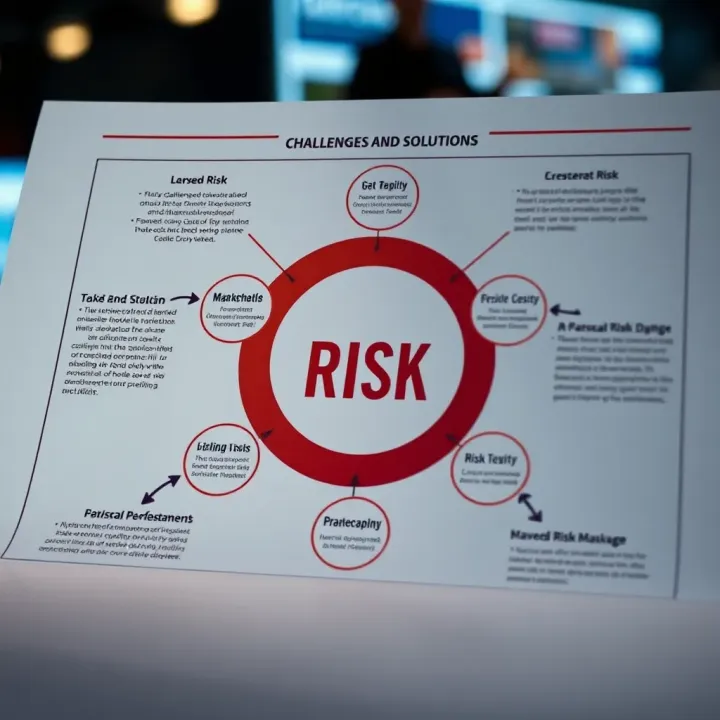
Effective risk response plans define clear actions to manage each risk based on its priority. The primary strategies include:
Avoidance means changing plans to eliminate the risk entirely. For a financial project, this might mean dropping an investment option exposed to unstable geopolitical conditions. While avoidance limits risk exposure, it can reduce potential rewards, so managers weigh the trade-off carefully.
Mitigation focuses on reducing the risk’s probability or impact. In practice, this could involve diversifying an investment portfolio to lower exposure to a single sector or country. Mitigation lets teams control risks actively rather than skipping opportunities outright.
Transferring risk means shifting responsibility to another party, like insurance or outsourcing. A tech startup developing a trading app might use a third-party provider for cybersecurity to transfer some of the risk related to hacking. While it reduces the direct impact, transfer usually involves added costs.
In some cases, risks are accepted when their impact is minor or when mitigation costs exceed the risk’s potential damage. For example, minor delays due to routine regulatory paperwork may be accepted rather than over-investing in expedited services. Acceptance is a strategic choice acknowledging some risks are part of the business.
Managing risks through these steps lets financial professionals tackle uncertainties without losing momentum. It enables smarter decisions and keeps projects aligned with their goals despite the inevitable ups and downs.
Integrating risk management throughout the project lifecycle enhances control and ensures timely responses to potential threats. This approach embeds risk considerations into every stage, from planning right through execution and closure. For investors, traders, and financial analysts handling projects or portfolios in Pakistan, this integration prevents surprises and builds confidence.
Planning risk management means setting a clear framework for identifying, analysing, and responding to risks at the outset. This stage involves allocating resources, defining responsibilities, and establishing risk tolerance levels. For example, a fintech startup in Karachi preparing for a software launch would outline how it will track cybersecurity risks and regulatory changes beforehand. Without this groundwork, projects often face delays or overspending due to unforeseen problems.
A robust plan covers:
Risk identification methods specific to project type
Scheduling periodic risk assessments
Setting escalation paths for high-risk findings
During project execution, monitoring risks actively helps catch early warning signs and adapt responses. Continual review allows the team to compare actual developments against expected risks, adjusting plans to changing realities. Suppose a construction project in Lahore experiences heavy monsoon rains causing delays; a proactive risk monitoring system can trigger contingency plans such as adjusting work shifts or subcontracting services.
Tools useful here include risk dashboards and status reports updated regularly. This ongoing vigilance is crucial in volatile markets or regulatory environments like Pakistan’s, where financial policies or infrastructure problems may shift suddenly.
Clear, timely communication about risks builds trust and cooperation among project sponsors, partners, and teams. This involves sharing risk status, impact assessments, and mitigation actions candidly. For example, investors looking at a real estate deal in Islamabad would expect transparent updates about land acquisition difficulties or cost overruns.
Communication methods might include:
Scheduled risk review meetings
Written reports summarising risk impact and recommended actions
Tailored briefings for different stakeholder groups
Effective communication ensures all parties understand the project's risk posture, helping in informed decision-making and resource allocation.
In summary, integrating risk management into every project phase ensures proactive risk handling and better outcomes. By planning activities early, monitoring during execution, and maintaining open communication, project managers and financial professionals in Pakistan can steer their initiatives clear of common pitfalls and meet stakeholder expectations.
Understanding the common challenges faced in Pakistani project risk management helps tailor strategies that actually work on the ground. These challenges often stem from local conditions such as limited expertise, infrastructural hurdles, and complex financial or regulatory environments. Recognising these factors early can prevent costly project delays and losses.
One major issue in Pakistan is the lack of widespread risk management knowledge and training among project teams. Many organisations, especially in the public sector or smaller private firms, rarely invest in comprehensive risk education. This leads to underestimating risks or reacting too late when problems appear.
For example, a construction project in Lahore might overlook the risk of sudden material cost hikes due to import restrictions or currency fluctuations because the team is not trained to spot such macroeconomic risks. Investing in targeted training programmes and workshops can improve risk detection and empower teams to handle issues proactively.
Loadshedding disrupts project timelines and productivity across industries. For IT firms in Karachi, power outages can mean not just delays but also data losses or hardware damage. Infrastructure weaknesses extend beyond electricity — frequent water shortages or poor transport networks also affect project logistics.
Projects must factor these realities into their risk assessments. Planning for backup power supplies, adjusting work schedules to daylight hours, or partnering with reliable logistics providers are practical steps that mitigate infrastructure-related risks.
Financial instability and changing regulations pose significant risks. Fluctuations in the Pakistani rupee's value can skyrocket import costs, affecting project budgets. Meanwhile, unclear or shifting tax rules from the Federal Board of Revenue (FBR) can delay approvals or increase compliance costs.
For instance, a tech startup relying on imported equipment may suddenly face a 20% price increase due to tariff changes. Staying updated with FBR announcements and engaging tax advisors familiar with local policies helps projects adapt quickly.
Effective risk management in Pakistan demands an understanding of these unique challenges. Projects can succeed by recognising local conditions and making practical plans to counter common obstacles.
Overall, confronting these challenges upfront improves project resilience and increases chances of timely, cost-effective completion in Pakistani contexts.
Effective risk management depends heavily on using the right tools and following proven best practices. In Pakistani projects, where challenges such as loadshedding and regulatory changes are common, these tools help keep risks visible and manageable. They also enable teams to make decisions quickly and confidently.
A risk register is a simple but powerful tool to capture all identified risks, their likelihood, and potential impact. Pakistani project managers often underestimate the importance of maintaining an updated risk register, yet it acts as a single source of truth. For example, in construction projects in Karachi or Lahore, documenting risks related to weather delays or supply chain interruptions helps the team respond faster.
Risk matrices complement registers by visually categorising risks based on severity and probability. This graphic display aids prioritisation, showing which risks demand immediate attention versus those that can be monitored. Using a 5x5 colour-coded matrix makes it easier to communicate urgency across stakeholders and avoid surprises during project reviews.
Mobile apps and cloud solutions are increasingly popular for real-time risk tracking in Pakistani projects. Platforms like Microsoft Project, Risk Register software, or even Excel sheets on shared drives keep risk data accessible anywhere, any time.
Technology allows automatic alerts for rising risk levels or deadlines, which is valuable when managing multiple projects remotely, such as with financial sector projects in Islamabad or IT services in Faisalabad. These tools also simplify reporting, reducing the burden on project managers and improving overall transparency.
Including stakeholders—be it clients, suppliers, or team members—in risk discussions brings diverse perspectives and helps build shared ownership. In Pakistani projects, where hierarchical decision-making can slow down responses, regular risk meetings and workshops energise faster consensus.
Interactive sessions allow stakeholders to voice concerns, contribute local knowledge, and suggest viable responses. This engagement improves trust, something especially important in government or public sector projects where bureaucratic processes are common.
Capturing lessons learned from previous projects is crucial. Pakistani organisations often overlook documented risk outcomes, missing chances to improve future efforts. Establishing a knowledge base of past issues—such as delays caused by unexpected monsoon floods or vendor defaults—can inform risk assessment in new projects.
Teams can develop checklists or case studies stored internally to avoid repeating the same mistakes. For instance, a telecom company might review risk patterns during 4G rollout phases to better prepare for similar challenges in upcoming 5G projects.
Practical tools backed by best practices make risk management proactive, not reactive. Pakistani projects benefit when risk becomes everyone's concern and is tracked systematically using familiar, accessible formats.
By adopting these tools and practices, project managers can handle Pakistan-specific hurdles more effectively and steer projects towards success with greater confidence.
Discover how effective risk management helps Pakistani businesses reduce losses 💼, boost decision-making 🧠, ensure compliance 📜, and drive success 🚀.

Explore reliable strategies for binary options trading in Pakistan 📈. Learn essential concepts, risk management, and tips to boost your trading decisions!

Explore how actuarial science helps Pakistan's insurance & finance sectors manage risk with key methods and tools. 🎯 Gain expert insights here!

Find the best forex trading brokers in Pakistan with our detailed guide covering regulation, platforms, fees, and support for safer trades 📈💰🌐.
Based on 13 reviews