
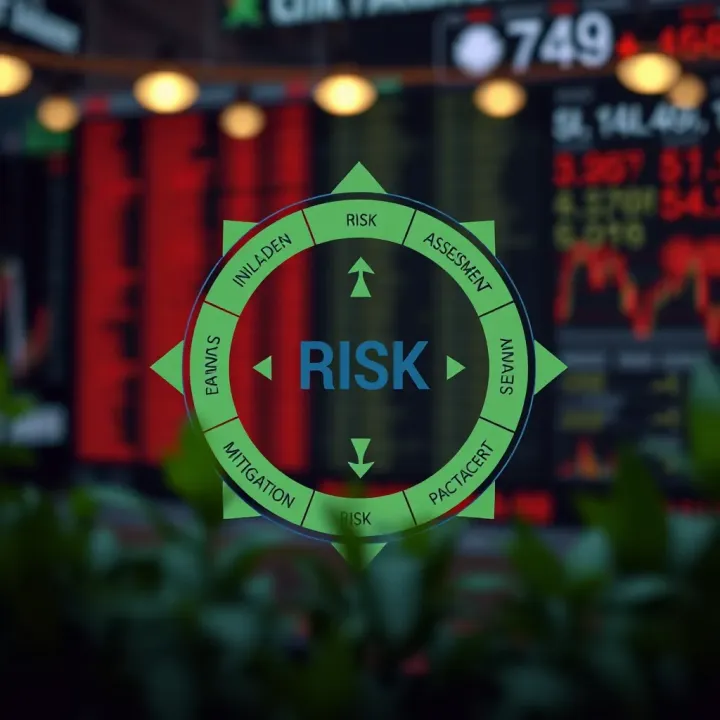
Risk Management Frameworks: Principles & Practices
Explore risk management frameworks key principles ✅, practical steps, and Pakistan-specific challenges 🏢. Learn to tailor systems suited to local business needs 🇵🇰.
Edited By
James Thornton
Risk management is a key practice for anyone dealing with financial markets, investment portfolios, crypto assets, or business ventures in Pakistan. It refers to the systematic process of identifying threats that could harm your capital or operations, assessing their likelihood and potential impact, and then taking steps to minimise or control those risks.
In the world of stockbroking and trading, for example, risk management means analysing market volatility, managing your stop-loss limits, and diversifying assets to avoid major losses. Crypto enthusiasts face unique challenges like hacking, regulatory changes, or price manipulation, so tailored strategies are necessary to safeguard digital investments. Meanwhile, financial analysts often use risk assessment tools and data models to predict risks that could affect project returns or portfolio performance.
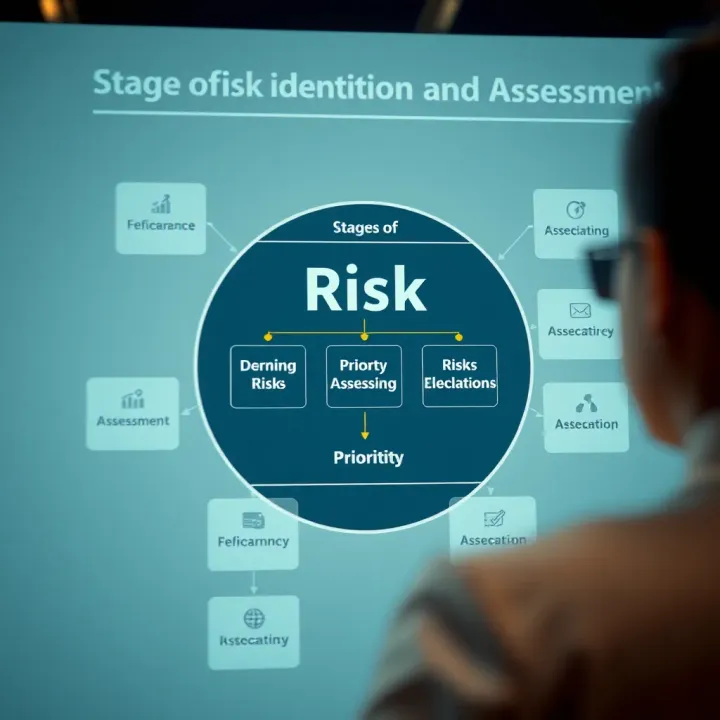
Good risk management doesn't eliminate risk but helps you prepare and react more effectively, protecting your investments and business stability.
Protects capital: Avoid large unexpected losses by setting clear limits on exposure.
Supports decision-making: Understand risk levels before making trades or investments.
Ensures regulatory compliance: Particularly important in Pakistan’s financial sector with bodies like SECP and SBP overseeing activities.
Promotes sustainable growth: Helps businesses plan for uncertainties like market fluctuations, political shifts, or loadshedding.
In Pakistan’s context, risk managers must consider several specific factors such as currency fluctuations, regional geopolitical tensions, and infrastructure challenges. For traders and investors, this means monitoring PKR’s performance against the dollar, political developments affecting markets, and even power outages that disrupt business functions.
Effective risk management involves a clear process:
Risk identification: Spot risks relevant to your sector, like price drops or fraud.
Risk analysis: Measure how severe and probable each risk is.
Risk evaluation: Prioritise which risks need urgent attention.
Risk treatment: Decide on avoidance, transfer (insurance), mitigation, or acceptance.
Monitoring: Continuously track risk factors and adjust strategies accordingly.
Understanding these fundamentals prepares you to handle risks with confidence, whether you're analysing shares on the Pakistan Stock Exchange (PSX) or managing a crypto portfolio. The right approach can turn uncertainty into managed opportunity.
Risk management is a core practice for anyone involved in trading, investing, or financial analysis. It’s about recognising potential threats before they turn into costly problems. For Pakistani businesses or investors, understanding risk management means guarding your assets and strategies from market swings, political instability, or regulatory changes.
In simple terms, risk is the chance something unwanted might happen. For instance, an investor buying shares on the Pakistan Stock Exchange (PSX) faces the risk of price drops due to market volatility or news affecting a company’s reputation. Identifying this possibility beforehand helps prepare for these ups and downs sensibly.
Risk differs from uncertainty in that risk involves measurable probabilities. Take currency fluctuations: their impact can be predicted within a range. Uncertainty, however, involves situations that are unpredictable and lack historical data—for example, a sudden government policy shift with no precedent. Knowing this distinction helps traders decide when to hedge or hold positions carefully.
The first goal is to safeguard what matters most. For example, a business investing Rs 5 crore in machinery in Lahore’s industrial sector must plan for equipment breakdowns or theft. Insurance, regular maintenance, and security systems are practical ways to reduce these risks. Protecting assets this way prevents unexpected losses that could disrupt operations.
Risk management keeps business running smoothly, even when problems strike. Consider how loadshedding in Karachi impacts manufacturing plants. With backup generators or alternative production schedules, companies maintain output despite power outages. This resilience supports stable earnings and reduces shocks from external challenges.
Good risk management provides a clearer view for choices. Financial analysts assessing a new investment in Pakistan’s telecom sector can weigh risks like currency depreciation and regulatory hurdles against potential returns. This balanced insight aids smarter decisions, encouraging cautious yet confident steps into uncertain markets.
Effective risk management isn't about avoiding risks altogether but handling them strategically to protect investments and maintain business health.
In sum, understanding what risk management means in Pakistan's economic context helps traders, investors, and analysts manage challenges effectively, turning potential threats into manageable parts of business strategy.
Understanding the different types of risks is essential for traders, investors, and financial analysts to protect their interests and enhance decision-making. Identifying risks not only helps in forecasting potential losses but also allows for crafting strategies that reduce uncertainty. This process is fundamental in navigating fluctuating markets and operational challenges. Recognising diverse risk categories ensures that no vulnerability remains overlooked, especially in volatile environments like Pakistan’s financial and business sectors.
Currency fluctuations impact businesses and investors dealing with foreign exchange, especially importers and exporters who face changing exchange rates. For instance, if the Pakistani rupee weakens against the US dollar, the cost of imported raw materials rises, squeezing profit margins. Traders holding foreign currency assets notice value changes that require quick responses to avoid losses.
Credit risk occurs when borrowers fail to repay loans or meet financial commitments. Banks and financial institutions face this constantly, assessing the reliability of their clients to avoid bad debts. For investors, credit risk also means evaluating the creditworthiness of bond issuers or counterparties to prevent defaults affecting returns.
Investment market volatility refers to rapid and unpredictable changes in asset prices due to market sentiment, economic news, or geopolitical tensions. Share prices on the Pakistan Stock Exchange (PSX) can swing widely, influenced by political shifts, economic policies, or global commodity price changes. Those investing or trading must gauge this risk to time their moves and protect portfolios.
Supply chain interruptions disrupt the availability of goods and services, impacting production timelines and delivery promises. Pakistani industries depending on imported components may face delays due to customs hold-ups or transport issues, affecting profitability and customer satisfaction.
Equipment failure can halt operations, leading to production losses and repair costs. For manufacturing units or energy providers like WAPDA, regular maintenance and backup plans are vital to avoid costly downtime.
Human error remains one of the most common operational risks, from data entry mistakes to oversight in compliance reporting. Even skilled professionals may slip under pressure, causing financial inaccuracies or regulatory breaches, highlighting the need for proper training and checks.
Legal obligations require firms to operate within the bounds of national laws. Ignoring contracts, labour laws, or corporate liabilities can lead to expensive lawsuits or licence cancellations, shaking investor and stakeholder confidence.
Tax regulations in Pakistan often change, affecting business profits and cash flow. Keeping up with FBR tax policies and timely filings prevents penalties, while strategic tax planning can optimise financial outcomes.

Environmental standards address growing concerns about pollution and sustainable practices. Industries must ensure compliance with NEPRA and environmental laws to avoid fines and reputational damage, increasingly important for businesses seeking partnerships with international firms.
Identifying these risks early is not just about avoiding losses but about building resilience and confidence in business and investment decisions. Awareness shapes strong strategies that protect assets and create opportunities even in uncertain times.
Financial and market risks focus on money flow and asset value.
Operational risks relate to everyday business activities and resources.
Regulatory risks involve legal and policy frameworks businesses must obey.
Systematic identification across these categories forms the backbone of effective risk management.
The risk management process is essential for traders, investors, and financial analysts. It offers a structured way to identify and handle risks that could affect portfolios or business ventures. Without a clear process, risks might go unnoticed, affecting returns or causing losses. This process also improves decision-making, helping professionals balance risks against potential rewards effectively.
Identifying risks early helps prevent surprises that can derail investment plans. Common methods include brainstorming sessions with teams, reviewing past incidents, and scanning the market environment for changes like policy shifts or economic developments. For example, a stockbroker anticipating regulatory changes in Pakistan’s stock exchange might spot new compliance risks ahead.
Tools also play an important role. Checklists tailored to specific sectors help ensure nothing is missed. Scenario analysis is another technique where potential future events are imagined to spot threats. Software solutions, often used by financial firms, automate risk detection by monitoring market data and alerts.
Once risks are identified, evaluating their likelihood and impact is vital. This evaluation helps prioritise which risks deserve attention. For instance, a currency fluctuation risk might have a high impact on an investment portfolio but a lower chance of occurring due to government intervention.
Qualitative analysis looks at risks in descriptive terms, such as ‘high’, ‘medium’, or ‘low’ risk levels based on expert judgement. Quantitative analysis assigns numerical values, like percentages or financial losses, based on data. Both methods complement each other and provide a fuller picture of risk.
Avoidance and reduction focus on steering clear of risk or lessening its effect. For example, a trader might avoid investing in volatile sectors or reduce exposure by diversifying across industries. Simple steps like tightening credit controls can reduce operational risks.
Transferring risk via insurance offers a safety net. Pakistani businesses often rely on insurance policies to shield against losses, such as damage from floods or theft. This shifts financial burden away from the business to an insurer.
Some risks are accepted when the cost of avoiding them is higher than potential damage. In such cases, contingency plans come into play. Investors may set aside emergency funds or create stop-loss orders to limit damage if markets turn against them.
A clear and systematic approach to managing risks allows financial stakeholders to protect their assets, stay compliant, and maintain confidence even in uncertain markets.
In summary, understanding and applying each step in the risk management process equips you to face challenges head-on while keeping growth opportunities intact.
Risk management is not just a theoretical concept; it plays a hands-on role in various sectors to keep operations smooth and protect assets. Understanding its practical applications helps businesses, governments, and individuals prepare for uncertainties and reduce potential losses. This makes risk management essential for strengthening resilience and making informed decisions amid Pakistan's dynamic economic and social landscape.
Managing investment portfolios involves continuous assessment of market trends, currency swings, and asset allocation to balance risk and reward. For investors in Pakistan, where market volatility can be high due to political and economic factors, actively managing portfolios means regularly reviewing holdings and adjusting investments to protect capital while seeking reasonable returns. For example, a trader might shift investments between stocks listed on the Pakistan Stock Exchange and safer government bonds during uncertain times.
Protecting against fraud and theft is a major concern given the rise of cyber-attacks and financial scams. Financial institutions and businesses use risk management by implementing strong internal controls, regular audits, and cybersecurity protocols. Measures such as two-factor authentication for online transactions and employee training to spot phishing attempts help reduce the chances of fraud and theft. This protection safeguards both the organisation's assets and customers’ trust.
Disaster preparedness is critical for Pakistan as it faces threats like floods, earthquakes, and urban fires. Risk management here means creating early warning systems, conducting drills, and building infrastructure that can withstand natural hazards. For instance, cities often prepare contingency plans to maintain water supply and electricity during floods, limiting disruption to daily life and economic activities.
Regulating safety in critical services such as healthcare, transport, and energy involves monitoring standards and enforcing compliance to prevent accidents or breakdowns. Regulatory bodies oversee these sectors to ensure safety protocols are followed. In Pakistan, Nepra (National Electric Power Regulatory Authority) sets guidelines so power supply remains stable and safe, while health departments monitor hospitals to maintain hygiene and patient safety.
Health and safety measures at the individual level include adopting habits that reduce illness and injury—wearing masks during flu seasons, using helmets on motorcycles, or following workplace safety rules. These everyday risk management steps can significantly reduce medical expenses and improve life quality.
Financial planning for individuals involves evaluating potential risks like job loss, medical emergencies, or inflation, then preparing accordingly. Common practices include maintaining emergency funds, investing in insurance policies, and diversifying income sources. For many Pakistanis, saving part of monthly earnings through instruments like National Savings or setting small budgets for household expenses can offer a safety net against financial shocks.
Practical risk management, whether at a company or individual level, is about spotting vulnerabilities early and acting to keep disruptions at bay. Its real value shines through when uncertainties arise and disruption is avoided or minimised.
Understanding these applications gives traders, investors, and policymakers useful ways to reduce risks and protect resources in Pakistan’s unique environment.
Risk management takes on a particularly vital role in Pakistan, where businesses face unique challenges that affect stability and growth. Effective risk strategies help companies navigate uncertainties tied to political, economic, and infrastructural conditions. For traders, investors, and financial analysts, understanding these local risks ensures better decision-making and asset protection.
Pakistan’s political landscape often experiences shifts that directly impact market confidence and investor sentiment. Elections, policy changes, or geopolitical tensions can disrupt supply chains or cause sudden regulatory shifts. Companies exposed to these fluctuations need to anticipate such events and build flexible strategies, such as diversifying suppliers or hedging currency exposures.
Similarly, economic instability—marked by inflation, fiscal deficits, and fluctuating interest rates—affects cash flow and borrowing costs. Businesses reliant on imported raw materials or foreign investment particularly feel this pressure. Recognising these risks early lets management adjust budgets or recalibrate expansion plans to safeguard financial health.
Scheduled power outages remain a major operational challenge in many parts of Pakistan. Prolonged or frequent loadshedding disrupts manufacturing, logistics, and service delivery, causing delays and increased costs. For example, textile mills and export-oriented industries may face penalties for late shipments, impacting reputations and revenue.
To manage this risk, firms often invest in backup power solutions like generators or UPS systems, though these raise operational expenses. Incorporating energy efficiency and alternative sources such as solar panels also reduces dependence on the unstable grid. This kind of operational planning is crucial for maintaining productivity and client trust.
The Pakistani rupee’s volatility affects expenses and profitability, especially for businesses engaged in imports, exports, or foreign financing. A weakening rupee increases the cost of imported materials, squeezing margins if pricing cannot be adjusted promptly.
Companies must carefully monitor exchange rates and consider forward contracts or other hedging instruments to lock in prices. Forex risk management is essential to prevent sudden losses, particularly in sectors like electronics or automotive where imported components dominate.
The Securities and Exchange Commission of Pakistan (SECP) and Federal Board of Revenue (FBR) provide regulatory frameworks that guide risk management practices among businesses. SECP’s rules on corporate governance push listed companies and financial institutions to improve transparency and risk disclosures. Meanwhile, FBR’s tax regulations and compliance requirements necessitate firms to maintain proper risk controls to avoid penalties.
These guidelines ensure companies align with national standards, protecting stakeholders and maintaining operational integrity. For investors, adherence to these frameworks signals reliability and reduces exposure to legal risks.
Many Pakistani firms are embracing global risk management standards such as ISO 31000 to benchmark their processes. This adoption enhances their credibility, especially in export markets, and improves resilience by following proven risk assessment and mitigation techniques.
For instance, companies in the textile sector implementing international standards often find smoother access to Western markets with strict compliance criteria. This also attracts foreign investment, as standardised practices reduce uncertainty and strengthen governance.
Pakistan’s insurance industry is developing steadily but still faces challenges like low penetration and limited product diversity. While insurance offers risk transference, many businesses delay purchasing due to cost concerns or lack of awareness.
Growing awareness about risk management benefits has boosted demand for commercial policies covering property, liability, and business interruption. However, insurers must educate clients about policy terms and support quicker claim settlements to build trust.
Effective risk management in Pakistan requires combining regulatory compliance, international best practices, and pragmatic local solutions to protect business interests amid a complex environment.
This balanced approach helps stakeholders manage uncertainties with confidence, vital for sustainable success in Pakistan’s dynamic markets.
Effective risk management brings clear advantages but also faces real hurdles, especially in fast-moving financial markets and business environments like Pakistan’s. Understanding these benefits and challenges helps investors, traders, and analysts make more informed decisions.
Organisations that identify and address risks before they escalate tend to withstand shocks better. For example, a Karachi-based textile exporter that properly manages currency risk can avoid sudden losses during rupee depreciation. By cushioning against such shocks, the firm maintains production and protects its workforce, ensuring business continuity. This resilience proves invaluable when markets or political conditions become unstable, as seen during recent periods of heightened volatility in Pakistan.
Moreover, proactive risk management allows firms to respond swiftly rather than reactively, reducing downtime and financial damage. In competitive sectors like stockbroking or crypto trading, this agility can be the difference between survival and failure.
Stakeholder trust increases when risks are managed openly and systematically. Investors feel reassured knowing a mutual fund or brokerage house has robust controls against fraud or market swings. This confidence can attract more capital, lowering the cost of funds and enabling expansion.
Similarly, clients of financial advisory services appreciate transparency on how risks are handled, especially in volatile sectors such as cryptocurrencies. Companies that meet compliance requirements and protect client interests build reputations that foster long-term business relationships and trust.
Many Pakistani firms, particularly SMEs, struggle with limited budgets for comprehensive risk systems. Allocating funds for software, skilled analysts, or training often competes with immediate business needs. For instance, a small investor platform might find it difficult to invest in advanced risk analytics, thus exposing itself to avoidable losses.
Without adequate resources, organisations may rely on outdated methods or underestimate emerging risks, leading to potentially severe financial setbacks.
In many cases, teams lack the knowledge or training necessary to identify and handle risks effectively. This is common in sectors still adapting to formal risk practices, like local investment firms or early-stage crypto startups. Without skilled professionals aware of current regulatory and market risks, mistakes multiply.
Workshops and courses on risk concepts, tailored for the Pakistani financial context, remain scarce but essential. Companies benefit when they invest in ongoing training to keep pace with evolving risk landscapes.
Risk profiles shift rapidly due to political changes, regulatory updates, or technology disruption. The recent surge in loadshedding, for example, impacts operational continuity for many businesses, requiring quick re-assessment of risks and contingency plans.
Similarly, price volatility in the PKR or sudden regulatory restrictions on cryptocurrencies present fresh challenges. Organisations must continuously monitor these dynamics and adjust their strategies, which adds complexity and demands flexibility.
Staying ahead in risk management is not just about having a plan but updating it in line with the ever-changing environment.
In sum, recognising the benefits while navigating hurdles ensures better preparation and safeguards assets in Pakistan’s intricate business landscape.
Explore risk management frameworks key principles ✅, practical steps, and Pakistan-specific challenges 🏢. Learn to tailor systems suited to local business needs 🇵🇰.

📊 Understand how Pakistani businesses manage risks through identification, assessment, control, and review. Practical steps to keep operations safe and effective.
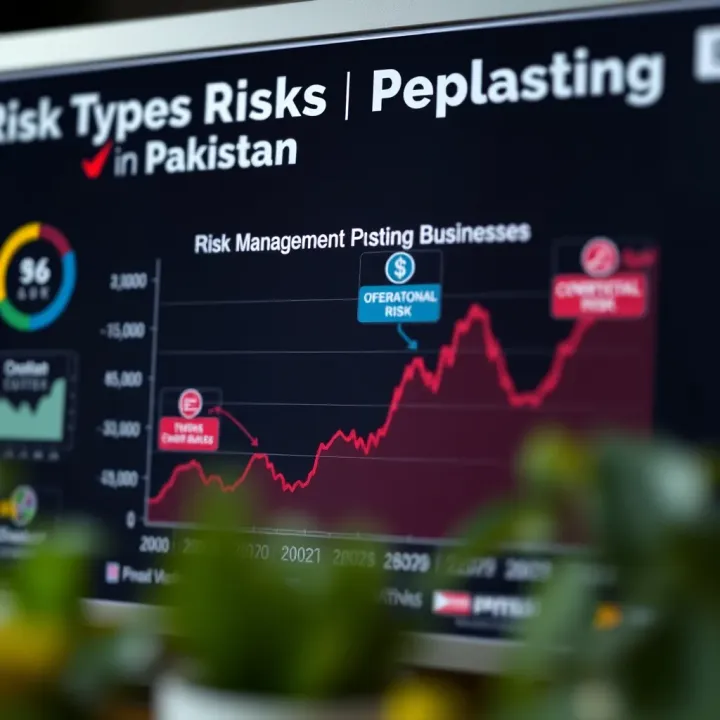
📊 Risk management is vital for Pakistani businesses to identify and control uncertainties, avoid financial losses, and thrive despite economic and regulatory challenges 🇵🇰.

Discover how effective risk management helps Pakistani businesses reduce losses 💼, boost decision-making 🧠, ensure compliance 📜, and drive success 🚀.
Based on 12 reviews