
Understanding Non-Binary Identity in Pakistan
Explore the meaning of non-binary identity, common terms, history, social challenges, and its expression within Pakistan's cultural fabric 🌈 to understand gender diversity.
Edited By
Sophie Taylor
Non-binary gender refers to identities that do not fit strictly within the traditional male-female categories. These identities challenge the conventional binary view of gender, recognising that gender can be fluid, varied, and deeply personal.
In Pakistan, understanding non-binary gender is still evolving, partly due to cultural, religious, and social norms that tend to emphasise strict gender roles. However, non-binary individuals exist in every society, including Pakistani communities, and face unique challenges in visibility, acceptance, and legal recognition.
Common non-binary identities include:
Genderqueer: Rejecting binary gender altogether or blending aspects of male and female.
Genderfluid: Experiencing shifts between different gender expressions over time.
Agender: Identifying as having no gender or a neutral gender.
These identities can intersect with Pakistani cultural concepts such as the hijra community, though non-binary is distinct and not limited to traditional transgender roles.
Understanding non-binary gender helps foster an inclusive society where all individuals feel respected and acknowledged.
Non-binary people often encounter social hurdles, including lack of pronoun recognition, exclusion from gender-specific services, and legal systems that require binary gender markers on documents like CNICs. For investors and businesses, acknowledging gender diversity is becoming relevant through workplace inclusivity and corporate social responsibility.
Practical steps to support non-binary individuals in Pakistan today include:
Using correct pronouns and chosen names.
Advocating for legal reforms to recognise non-binary genders.
Promoting awareness campaigns that explain gender diversity clearly.
Approaching gender beyond the male-female binary not only respects individual identity but also broadens perspectives in social and economic spaces. As Pakistan's society changes, recognising non-binary gender is part of building a more equitable environment for everyone.
Understanding non-binary gender is essential to appreciate the diversity beyond the traditional male and female categories. This section clarifies what non-binary means and explores common identities within this spectrum. For traders, investors, and analysts, recognising these terms provides a more inclusive approach when analysing social trends or market segments linked to gender diversity.
Non-binary gender refers to identities that do not fit strictly within the male or female classifications. Unlike the standard binary system, which assumes everyone is either male or female, non-binary acknowledges that gender exists beyond these two poles. This matters practically in everyday life, affecting how individuals express themselves and interact socially. For instance, a worker who identifies as non-binary may prefer using gender-neutral language or pronouns at their workplace, which organisations should respect to ensure inclusivity.
Gender is not a fixed point but a spectrum that accommodates a range of identities. This broader view allows individuals to select expressions that best represent their sense of self, whether that fluctuates or remains constant. The significance lies in acknowledging that each person’s experience with gender is personal, often changing depending on culture, environment, and time. Understanding this fluidity can inform social policies, workplace culture, and consumer marketing by recognising non-binary clients and employees without forcing them into rigid categories.
Genderqueer people reject traditional gender distinctions and might identify as both male and female, neither, or a combination. This category is crucial for recognising those who challenge fixed gender roles, encouraging businesses and social institutions to rethink gendered assumptions. For example, marketing campaigns designed with genderqueer consumers in mind avoid stereotypes, appealing to broader, more diverse audiences.
Genderfluid individuals experience shifts in their gender identity over time. They may feel more masculine, feminine, or neutral on different days or in different settings. Recognising genderfluidity helps workplaces or institutions create flexible environments. For example, allowing people to update their preferred pronouns as their identity changes improves their comfort and productivity.
Agender individuals identify as having no gender. This absence can be challenging to traditional social frameworks that expect everyone to be categorised. Practical relevance includes addressing forms and official documents that require a gender option by offering alternatives beyond male and female, supporting agender recognition.
Other non-binary identities include bigender (identifying as two genders simultaneously), demigender (partially identifying with a gender), and more. Each term reflects a unique experience of identity, highlighting the need for awareness in social, legal, and commercial contexts. For example, customer service teams trained in these terms are better equipped to respect clients' identities, building trust and loyalty.
Recognising and understanding non-binary gender identities not only fosters respect but also opens doors for more inclusive social and economic participation, especially important in diverse markets and workplaces like those in Pakistan.
Understanding the cultural and historical backgrounds of non-binary gender identities provides important context for appreciating their presence in society today. These perspectives not only challenge the binary view of gender but also highlight the diverse ways different cultures have recognised and respected gender beyond just male and female. For Pakistani traders, investors, and analysts, recognising these contexts can improve social awareness, support inclusive business environments, and foster respectful workplace dynamics.
South Asia has a rich history of recognising gender diversity that predates colonial influences. Traditionally, South Asian societies have acknowledged identities such as hijras, who are often regarded as neither fully male nor female. In Pakistan, hijras hold a distinct social and cultural role, participating in ceremonies like weddings and childbirth blessings. This community represents a lived example of a non-binary gender identity with unique socio-economic challenges and contributions.
Apart from hijras, various South Asian mythologies and classical texts describe gender fluidity and roles beyond the gender binary. These traditions provide practical value by offering a foundation for contemporary society to accept and integrate non-binary individuals respectfully.
Around the world, different indigenous and modern cultures recognise non-binary genders in diverse ways. For example, Native American tribes have the concept of "Two-Spirit" people, who embody both masculine and feminine qualities. In parts of East Asia, historical records show third-gender categories, reflecting flexible gender roles.
These global examples demonstrate that non-binary identities are not new or Western inventions but part of human diversity. For Pakistani markets operating internationally, understanding such norms fosters cross-cultural respect and inclusive practices, which can be essential in global business relations.
Pakistan’s traditional society largely follows a binary understanding of gender linked to specific social and family roles. Men typically take public roles in professional and political spheres, while women often manage domestic responsibilities. This division shapes attitudes toward identity and expression, leading to limited visibility and acceptance of non-binary people.
Grasping these traditional roles helps stakeholders understand the barriers non-binary individuals face, such as social exclusion or discrimination in workplace settings. Recognising this context is vital for creating tailored support systems and inclusive policies.
In recent years, awareness of non-binary identities is slowly increasing in Pakistan, especially in urban centres. Social media platforms and activism provide non-binary people a voice to share their stories and demand respect. Some organisations and businesses have begun adopting inclusive language and policies, promoting diversity in hiring practices.
For investors and employers, acknowledging these changes presents an opportunity to cultivate diverse teams and customer bases. Inclusive strategies can improve reputation, employee satisfaction, and access to broader markets. Still, many face resistance, so practical efforts must balance tradition and progress sensitively.
Recognising the cultural and historical aspects of non-binary gender enriches understanding and helps foster inclusion in Pakistani society, benefiting social cohesion and business environments alike.
Understanding the social experiences and challenges faced by non-binary individuals is essential for recognising the practical barriers they encounter daily. These challenges influence mental well-being, access to opportunities, and social inclusion, which are vital for anyone interested in inclusive social dynamics or workplace development.
Non-binary individuals often face stigma rooted in society’s strict male-female binary norms. In Pakistan, many communities still hold traditional views that do not recognise genders outside this binary, leading to exclusion and prejudice. For example, a non-binary person attending family gatherings may face questions or outright rejection, affecting their social integration.
This stigma can translate into subtle and overt behaviours such as misgendering, making assumptions about identity, or isolation. Such experiences discourage open expression and can limit the individual's participation in community life or social events.
Educational institutions and workplaces often lack policies recognising non-binary identities. In schools, students whose gender expression does not fit conventional categories may face bullying or exclusion. This can lead to lower academic performance or absenteeism.
At the workplace, non-binary employees might encounter difficulties such as being required to follow gender-specific dress codes or reports of harassment due to their gender identity. Without formal anti-discrimination policies, many hesitate to disclose their identity, which affects their comfort and productivity.
Social rejection can have serious mental health impacts on non-binary individuals. Feeling misunderstood or isolated often leads to anxiety, depression, and in some cases, suicidal thoughts. Pakistan’s broader mental health challenges compound this issue, especially since access to tailored support remains limited.
For instance, a young non-binary person in a small city might not only deal with family rejection but also with a lack of local counselling services familiar with gender diversity, making it harder to find help.
Inclusive support systems are vital for improving mental health outcomes. These include trained counsellors who understand non-binary issues, peer support groups, and safe spaces in schools and communities. Efforts by NGOs and mental health professionals to create resources specifically for gender-diverse people are gradually growing in Pakistan.
Creating environments where non-binary individuals feel respected and understood reduces the psychological burden and promotes overall well-being.
Practical steps for anyone involved in education, healthcare, or community development include adopting gender-inclusive language, training staff on gender diversity, and establishing clear anti-discrimination guidelines. These measures not only uplift non-binary people but enhance social cohesion overall.
Legal and institutional recognition plays a vital role in ensuring non-binary individuals receive equal rights and social acceptance. Without official acknowledgement, many face practical difficulties such as difficulties in identity verification, lack of specific legal protections, and social exclusion. Recognising non-binary genders on state-issued documents not only affirms personal identity but also helps prevent discrimination in access to services and employment.
Currently, Pakistani official documents such as Computerised National Identity Cards (CNIC) and passports offer limited gender options—typically male, female, and for some cases, a third gender category primarily intended for transgender individuals. However, this third option is often viewed through a narrow lens that does not always reflect the diversity within non-binary identities.
This limited recognition creates complications for those who identify outside traditional gender categories. Many non-binary people struggle to have their gender identity legally acknowledged, which can affect everything from opening a bank account to receiving health care or travelling. Furthermore, there are gaps in legislation regarding protection against discrimination specifically based on non-binary status, leaving individuals vulnerable in various public and private spheres.
One major challenge is the absence of clear laws that explicitly recognise non-binary individuals. Existing laws focus mainly on male and female or broadly transgender categories without nuanced understanding. This makes it difficult for non-binary individuals to seek legal remedies when facing discrimination or harassment.
Moreover, administrative systems are not well-equipped to handle non-binary gender markers, causing inconsistencies in official records and difficulties in accessing services. The lack of awareness and sensitivity in government departments compounds these problems, often leading to bureaucratic delays or denials of rights for non-binary people.
Several countries have responded by including non-binary or third gender options on official documents beyond the male/female binary. For example, Germany, Canada, and Australia allow citizens to select a non-binary gender marker on passports and IDs. These measures enable better inclusion, allowing individuals to have their identity legally recognised without forcing them into categories that don’t fit.
Such recognition often comes with broader anti-discrimination laws, ensuring non-binary people receive equal treatment in workplaces, healthcare, and public services. This comprehensive approach sets a valuable example for countries like Pakistan on how to foster inclusivity through law.
For Pakistan, adopting legal recognition for non-binary genders would mark significant progress towards equality. It can reduce social stigma and improve access to essential services for non-binary citizens. Introducing policies that allow self-identification on official documents would help overcome challenges faced by this community.
Furthermore, Pakistan’s legal system could benefit from drawing on international practices to develop clearer guidelines protecting non-binary rights, alongside awareness programmes to sensitise relevant authorities. This would support a more inclusive and respectful society where all citizens can navigate institutions without fear of exclusion or discrimination.
Legal recognition is not just about paperwork; it shapes real-world experiences and opportunities for non-binary individuals, making it a foundation for broader social change and equality.
Supporting non-binary individuals plays a key role in fostering respect and inclusivity within society. In Pakistan, where traditional gender roles dominate, recognising and assisting non-binary people can reduce social isolation and discrimination. This support ranges from using respectful language to creating safe environments at home, schools, and workplaces, enhancing mental wellbeing and social acceptance.
Non-binary individuals often prefer pronouns that don't strictly imply male or female identity. Common pronouns include "they/them," which are widely accepted as gender-neutral, and newer forms like "ze/hir." In Pakistan, some might also use locally adapted pronouns or prefer being addressed by their name alone. Using the correct pronouns signals respect and acknowledges their identity, helping reduce feelings of exclusion.
To be inclusive, start by asking a person’s preferred pronouns politely and then consistently use them. Avoid assuming pronouns based on appearance or name. Creating an environment where people can share their pronouns naturally, such as during introductions at work or school, helps normalise this practice. Simple acts like updating forms and databases to include non-binary options also reflect practical inclusiveness.
Families and communities are often the first places where non-binary individuals need support. When family members listen without judgement and use respectful language, it builds trust and safety. Community centres, religious groups, or local organisations that accept diverse gender identities can offer much-needed social connections and support networks. For example, some Pakistani NGOs focusing on gender diversity provide counselling and community events, which help reduce isolation.
Institutions have a direct impact on the well-being of non-binary people. Schools and workplaces should implement policies that respect gender diversity, like gender-neutral washrooms and dress codes that allow freedom of expression. Training sessions on gender sensitivity can educate staff about non-binary identities and reduce incidents of bullying or discrimination. For businesses and schools in Pakistan, adapting such measures demonstrates commitment to equality and helps create environments where everyone can thrive.
Using respectful language and creating supportive environments are simple yet powerful steps towards recognising non-binary individuals and upholding their dignity in Pakistani society.
Explore the meaning of non-binary identity, common terms, history, social challenges, and its expression within Pakistan's cultural fabric 🌈 to understand gender diversity.
Explore non-binary identities 🏳️🌈 in Pakistan and beyond. Understand social, cultural, and legal challenges faced, plus the need for respect and recognition.
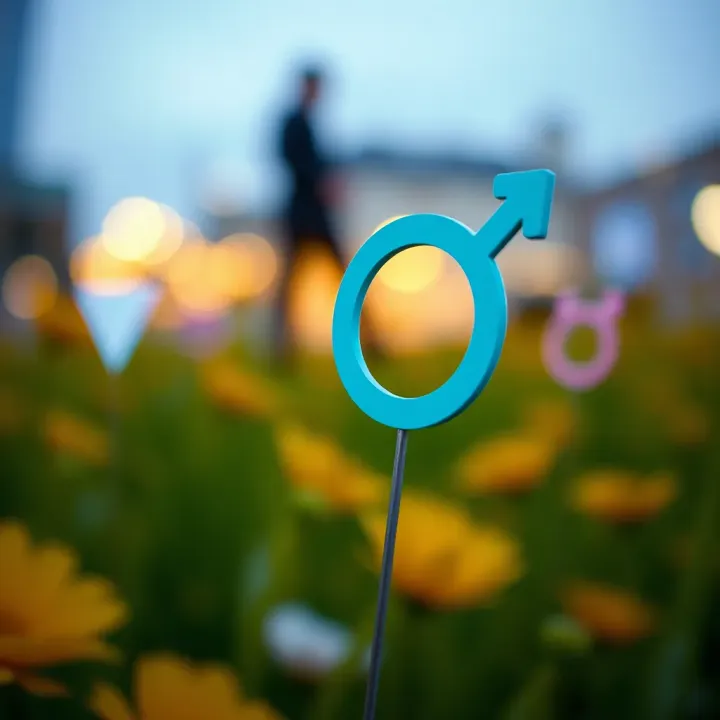
🌈 Learn about non-binary identity beyond traditional gender roles, common misconceptions, social challenges, and how to respect this identity in Pakistan's cultural context.
📈 Learn how binary options signals work and how traders in Pakistan can use them smartly. Get tips, benefits, risks & pick reliable signal sources.
Based on 10 reviews