

Understanding What Binary Means in English
🔍 Explore the meaning of 'binary' in English, covering its origins, tech & math uses, plus how it defines a system with two distinct parts. 📚
Edited By
James Ellis
Non-binary identity refers to people who do not identify exclusively as male or female. Unlike traditional gender categories that split individuals into men or women, non-binary identities exist outside this binary view. This means a person may feel like a mix of both, neither, or something entirely different in terms of gender.
In Pakistan, understanding non-binary identity is still evolving amid strong cultural and religious frameworks that mostly recognise just male and female roles. That said, non-binary people exist in every society, including ours, often facing challenges due to lack of awareness and social acceptance.
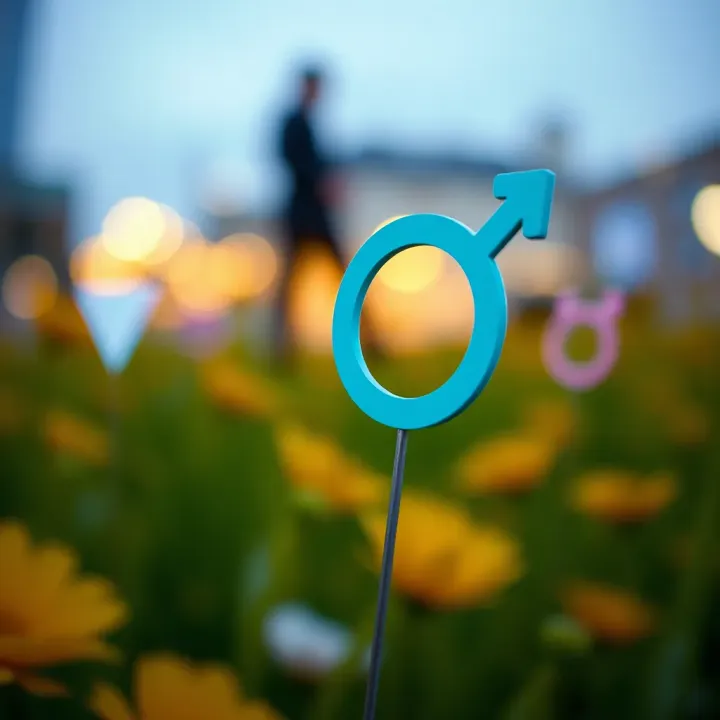
Non-binary identity is not just about personal feelings but involves how individuals express themselves through their behaviour, dress, and sometimes names. For example, someone might prefer neutral pronouns like "they/them" instead of "he/him" or "she/her" to reflect their gender identity more accurately.
Recognising non-binary identity helps create inclusive environments and reduces the social pressures that non-binary individuals face daily, such as regarding access to proper documentation or respectful treatment in workplaces.
Genderqueer: Rejects traditional gender categories altogether.
Genderfluid: Moves between genders over time.
Agender: Feels no connection to any gender.
Bigender: Identifies with two genders, either simultaneously or switching.
For investors, traders, and financial analysts in Pakistan, acknowledging diverse gender identities can impact human resource practices and consumer behaviour. Companies embracing inclusivity often see better employee engagement and brand loyalty.
Understanding non-binary identity helps in:
Designing more inclusive policies
Improving customer targeting in diverse market segments
Enhancing corporate social responsibility
In short, knowing about non-binary identities adds another layer to grasping Pakistan’s complex social fabric, which can influence everything from workplace culture to marketing strategies. It’s a step towards respecting human dignity and tapping into the real potential of our society’s diversity.
Understanding what non-binary means is essential in recognising gender identities that don't fit the traditional male-female divide. This is especially relevant for traders, investors, financial analysts, and crypto enthusiasts who increasingly interact in diverse markets and globalised environments. Knowing these terms helps in respecting colleagues and clients who identify outside the gender binary, reducing misunderstandings.
Non-binary gender describes people whose identities do not fall exclusively as male or female. Rather than being limited to these categories, non-binary individuals may see themselves as a mix of both, neither, or something completely separate. For example, a person might identify as neither man nor woman but simply as themselves, reflecting a sense of identity that traditional gender labels cannot capture.
This understanding improves workplace inclusion and communication, which is crucial for diverse teams. Knowing that gender is not always black and white allows for greater acceptance and helps companies avoid mistakes in addressing or supporting employees and clients.
While both non-binary and transgender challenge traditional gender norms, they are not the same. Transgender people identify with a gender different from the one assigned at birth, usually male or female, and often female-to-male or male-to-female transitions. Meanwhile, non-binary people do not strictly identify as male or female at all.
For instance, a transgender woman might transition from male to female and live openly as a woman, whereas a non-binary individual might reject both categories entirely. Understanding this distinction is important to correctly support and represent diverse gender experiences.
Agender refers to those who feel no connection to any gender, essentially identifying as genderless. Genderfluid people experience shifts in their gender identity over time, sometimes feeling more male, female, or neither. Bigender individuals identify strongly with two genders simultaneously or move between them.
Recognising these terms helps financial professionals avoid assumptions about identity, which can impact hiring, workplace interaction, and client relations. For example, an agender colleague might prefer neutral language as opposed to gendered terms.
Pronouns like "they/them" are commonly adopted by non-binary people as alternatives to "he/him" or "she/her". Some prefer neopronouns such as "ze/hir" or use multiple sets depending on comfort. Respecting these pronouns is more than politeness; it reflects understanding and validation of identity.
In practical terms, failing to use correct pronouns can harm workplace morale and client trust. Addressing individuals as they prefer encourages an inclusive atmosphere, leading to better teamwork and professionalism.
Knowing what non-binary means, its various terms, and respecting pronouns helps create respectful, inclusive environments essential for success in today's interconnected markets.
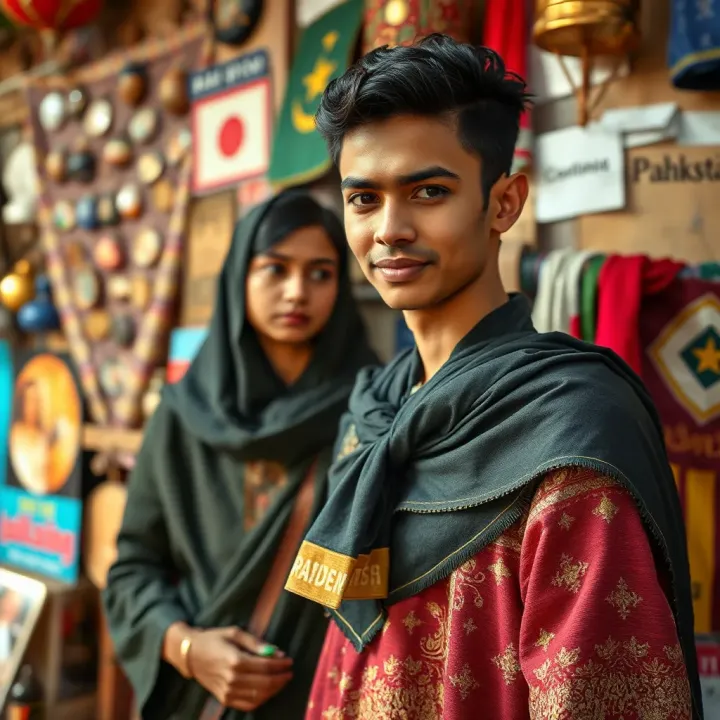
Understanding the historical and cultural roots of non-binary identities gives insight into how gender diversity has been recognised long before modern terms emerged. Exploring these backgrounds clarifies that non-binary identities are not new concepts but have existed in various forms across societies. This knowledge challenges current assumptions and offers practical lessons for social acceptance and legal frameworks.
South Asia has a long-standing recognition of genders beyond male and female, especially visible in the community known as Hijras. Hijras often identify as neither male nor female, embodying an alternative gender role with cultural and social functions. In Pakistan, Hijras have historically played distinct roles in rituals, such as blessing newborns and participating in weddings, reflecting societal acknowledgement of gender complexity.
Despite facing marginalisation today, acknowledging the Hijra community's existence helps challenge rigid gender norms. For Pakistani society, this history is a practical reminder that non-binary identities align with longstanding cultural practices, providing a foundation to advocate for rights and social inclusion.
Many indigenous cultures worldwide have terms and roles for individuals who embody multiple or alternate genders. For example, Native American cultures have the concept of Two-Spirit people, who often fulfill unique social, spiritual, or community roles. This recognition emphasises that gender is not strictly binary but culturally shaped and fluid.
Practically, these examples encourage Pakistani readers and policymakers to view gender diversity as a natural social phenomenon, not a Western import. Understanding indigenous gender systems expands the framework for legal protections and social services that respect diverse gender experiences.
Modern psychology has moved beyond pathologising non-binary identities, instead recognising gender as a spectrum. Social movements over the past two decades, including LGBTQ+ activism, have brought wide attention to non-binary identities. This combination has pushed communities and institutions worldwide to reconsider policies on gender.
In Pakistan, these global shifts influence awareness and create pressure to accommodate non-binary individuals in education, healthcare, and employment sectors. Practically, this evolving understanding supports designing mental health services and workplace policies that validate diverse gender expressions.
Several countries have introduced legal markers that allow individuals to register an 'X' or non-binary gender on official documents. Nations like Australia, Canada, and Germany lead in recognising non-binary identities, offering a legal precedent for inclusive identification.
Though Pakistan currently lacks formal legal recognition of non-binary genders, global examples provide models for future reforms. For investors and business leaders, recognising non-binary identities legally could mean improved social stability and a more inclusive workforce. This matters for sectors adapting to global standards and human rights practices.
Recognising the historical presence and growing legal acceptance of non-binary identities is key to building inclusive societies in Pakistan. It paves the way for social reforms, better policies, and economic benefits in sectors embracing diversity.
The concept of hijras in South Asia shows recognised gender roles beyond male and female.
Indigenous gender diversity affirms cultural multiplicity worldwide.
Modern psychology and activism improve societal understanding.
Legal recognition globally sets examples for Pakistan's future policies.
Non-binary people in Pakistan face distinct challenges that affect their social, legal, and personal lives. These difficulties often stem from deep-rooted cultural expectations and the current legal framework, making everyday life more complex. Understanding these barriers helps highlight the importance of promoting inclusivity and reform.
Traditional Pakistani families tend to hold firm beliefs about gender roles, often based on religious and cultural norms. A young person identifying as non-binary might meet resistance or outright rejection from relatives who expect strict adherence to male or female roles. For instance, a non-binary individual explaining they do not identify strictly as a man or woman may face confusion or disapproval, which affects their emotional well-being and family relationships.
The wider society also places pressure on individuals to conform to established gender norms. Social occasions such as weddings or religious events reinforce these expectations, leaving little room for those with non-binary identities. This often results in social isolation or exclusion, as the non-binary person struggles to fit into the accepted mould of male or female behaviour. These pressures make it hard to navigate social spaces comfortably and safely.
Currently, Pakistani law does not officially recognise non-binary identities. The absence of a third gender option beyond ‘male’ or ‘female’ in official documents means non-binary individuals cannot legally affirm their gender identity. This lack of recognition translates into limited access to rights and protections tailored to their needs, such as healthcare or anti-discrimination measures.
On the practical side, complications arise when non-binary people apply for identity cards (CNICs), passports, or other official documentation. The National Database and Registration Authority (NADRA) only issues CNICs with a binary gender marker, forcing many to choose an inaccurate option. This can cause daily difficulties, from filling out forms to receiving government services or going through airport security. Such hurdles increase stress and signal a need for updated policies to better reflect Pakistan’s gender diversity.
Tackling these social and legal challenges requires awareness and reform to ensure non-binary individuals can fully participate in society without compromising their identity.
Addressing these issues benefits not just non-binary people but society as a whole by promoting a culture of acceptance and equal rights, which in turn supports stability and growth.
Understanding the common misconceptions and stereotypes about non-binary people is vital to respectful and informed dialogue. These false ideas often shape how society views non-binary identities, which can lead to misunderstanding and unfair treatment in both personal and professional settings.
It is a frequent myth that non-binary identity is just a phase or temporary confusion. Some people mistake a non-binary person’s expression or questioning as indecisiveness rather than a legitimate identity. This assumption dismisses the lived experiences of many who have a consistent, deeply felt sense of their gender outside the traditional male-female binary.
Acknowledging non-binary as an authentic identity helps recognise the diversity of human experience. It also supports social acceptance and reduces unnecessary pressure on individuals to conform to binary gender expectations, which can be psychologically damaging.
Another misunderstanding is equating non-binary identities with transgender women or men. While transgender women and men identify within the binary but differ from their sex assigned at birth, non-binary people reject the binary altogether. They may identify as neither male nor female or as a mix of both.
This distinction matters practically. For example, in legal or medical contexts in Pakistan, recognising non-binary individuals separately from transgender men or women is crucial for proper documentation, healthcare, and respect for gender diversity.
Stereotypes and misconceptions can seriously impact mental health. Non-binary individuals often face invalidation, which leads to stress, anxiety, and depression. A lack of societal understanding contributes to isolation and self-doubt, especially when social networks and families fail to accept non-binary identities.
Imagine a young person in Pakistan trying to navigate their non-binary identity in a traditional household. Constantly being told their identity is "just a phase" may lead to confusion and diminished self-esteem.
Respecting and validating non-binary identities is not just a matter of politeness but a necessity for mental well-being.
Stereotypes also create practical challenges. Non-binary individuals often experience exclusion or discrimination in workplace settings. For instance, reliance on gendered dress codes, pronouns, or facilities can cause discomfort or unfair treatment.
In Pakistan’s workplaces, where documentation rarely reflects non-binary options, employees may have difficulty proving identity or accessing benefits. Such barriers contribute to underemployment or job insecurity, keeping many talented individuals from thriving professionally.
Addressing these stereotypes isn't just a social issue; it is about opening opportunities and ensuring equitable treatment for non-binary people in all areas of life.
Supporting non-binary individuals means recognising and valuing identities outside the traditional male-female gender categories. This respect fosters dignity and can reduce the mental stress many face. In Pakistan’s conservative social fabric, creating such support is particularly critical as many non-binary people experience misunderstanding and exclusion.
Using the right pronouns is a basic way to show respect for non-binary individuals. Common pronouns for non-binary people include 'they/them' in English, or some prefer 'ze/hir' and other less common variations. For example, if someone named Ali prefers 'they/them,' saying "Ali told me they will come to the meeting" avoids misgendering and shows acceptance.
Respectful communication also means avoiding assumptions about gender based on appearance or name. Politely asking pronouns can be part of introductions in professional or social settings. This small practice affirms identity and fosters an inclusive environment.
One challenge is that some people mistake non-binary pronouns for grammatical errors or unfamiliar terms. To address this, patience and education help. Explaining politely why pronouns matter or modelling their use in conversation can ease discomfort. For instance, in an office meeting, a colleague might clarify, "Please use 'they' when referring to Sara," normalising correct usage.
Another issue arises from linguistic habits, especially in Urdu or Punjabi, where gendered language is deeply embedded. Overcoming this requires conscious effort, such as practising gender-neutral wording or avoiding gendered honorifics like 'sahib' or 'saab' when unsure. Awareness campaigns that highlight these language challenges can assist wider acceptance.
Education plays a vital role in promoting non-binary inclusivity. Awareness campaigns in schools, universities, and community centres can introduce the concept of gender diversity beyond the binary. For example, seminars or workshops explaining non-binary identities and respectful behaviour reduce prejudice and build empathy.
Mass media can also contribute. Pakistani dramas or news reports that depict non-binary characters or real stories sensitively help normalise diverse gender identities. Inclusion in educational syllabi about gender can slowly shift public attitudes.
Institutions and workplaces have a direct impact on creating safe spaces. Adopting non-discrimination policies that mention gender identity can protect non-binary employees from harassment. For instance, HR departments in banks or tech firms can include options beyond male/female on forms and in records.
Workplaces can also provide gender-neutral washrooms and encourage staff training on diversity. Supporting employee resource groups for LGBTQ+ individuals offers a platform for non-binary voices. Actions like these promote dignity and improve workplace morale and productivity.
Respect and support for non-binary people create a fairer society, reducing stigma and allowing everyone to bring their full selves to personal, social, and professional environments.
🔍 Explore the meaning of 'binary' in English, covering its origins, tech & math uses, plus how it defines a system with two distinct parts. 📚
💻 Explore the basics and practical side of binary numbers in computing, digital electronics, data storage & common errors. Understand tech’s backbone clearly.
Explore the meaning of binary in Urdu 🖥️, its role in computing, math, and everyday tech. Clear, simple explanations for Urdu speakers.
Learn how to multiply binary numbers with clear rules, step-by-step examples, and tips for students and teachers alike. Binary math made easy! 🔢💻
Based on 10 reviews