
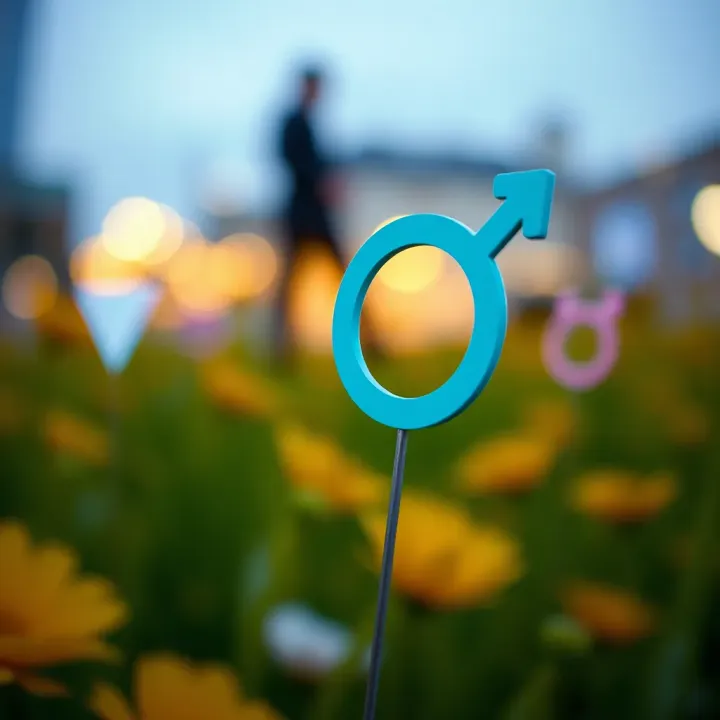
Understanding Non-Binary Identity and Its Meaning
🌈 Learn about non-binary identity beyond traditional gender roles, common misconceptions, social challenges, and how to respect this identity in Pakistan's cultural context.
Edited By
Charlotte Walker
Understanding what it means to be non-binary requires moving beyond the traditional male-female gender categories. Non-binary people identify outside or between these fixed gender roles, reflecting a spectrum of gender experiences. This identity challenges the binary understanding that has long dominated social and cultural norms, especially in societies like Pakistan where gender roles are deeply ingrained.
Non-binary identities include diverse expressions; for example, some may feel a mix of male and female traits, while others reject any gender label entirely. Terms often associated are genderqueer, genderfluid, and agender, each describing different experiences but united in resisting binary classification.
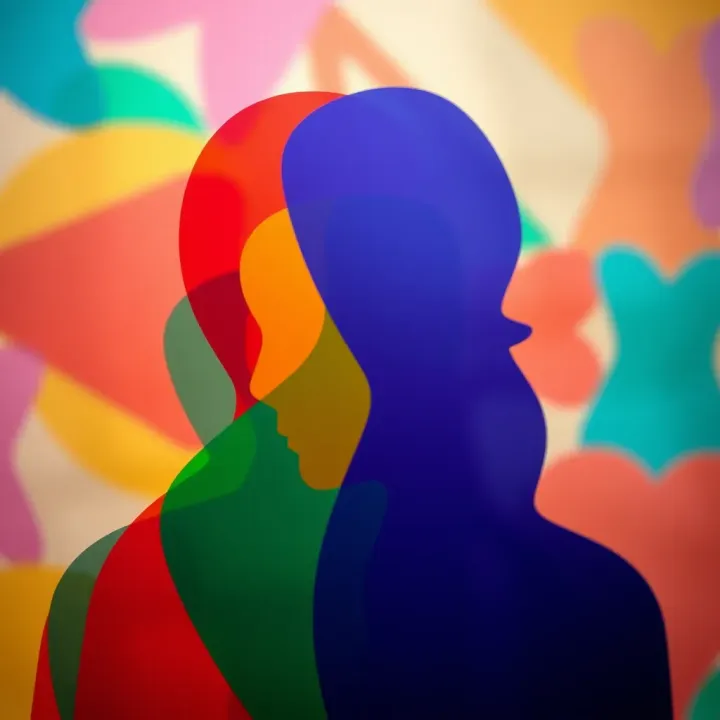
Non-binary is not just a new trend or Western concept; it has historic and global roots, including within South Asian cultures where third-gender categories like Hijra have long existed.
In Pakistan, non-binary individuals sometimes face unique social challenges such as stigma, lack of legal recognition, and limited representation. Understanding this identity in the local context involves recognising cultural nuances and the impact of traditional views on gender roles and expectations.
Non-binary: An umbrella term for gender identities outside male or female.
Genderqueer: Rejects traditional gender distinctions.
Genderfluid: Shifts between different gender identities over time.
Agender: Identifies as having no gender.
For traders, investors, and analysts interested in emerging socio-cultural trends, recognising non-binary identity is relevant. Acknowledging diversity in gender perspectives can influence market segments, especially in consumer behaviour, advertising, and workplace inclusion policies. As Pakistan evolves in social attitudes, businesses and organisations will find value in understanding gender diversity dimensions to engage better with all demographics.
Accurate awareness helps avoid generalisations and informs respectful communication, making strategies more inclusive and effective. This section sets the stage for deeper exploration into historical developments, societal challenges, and practical expressions of non-binary identity within Pakistan’s cultural fabric.
Defining non-binary identity is essential for understanding how gender can extend beyond traditional categories of male and female. This clarity helps in recognising the diverse experiences of people whose gender identities do not fit within the binary framework. For investors and analysts observing social trends, recognising non-binary identities informs discussions about market segmentation, inclusivity, and consumer behaviour.
Binary gender categories refer to the traditional classification of people as either male or female based purely on physical characteristics at birth. Non-binary individuals challenge this limited view by identifying themselves outside or between these categories. Practically, this means they may not feel comfortable being labelled exclusively as ‘male’ or ‘female’. For example, a trader might meet a non-binary person who prefers neutral pronouns like ‘they/them’ rather than ‘he’ or ‘she’.
Several terms help describe the variety within non-binary identities. These include genderqueer, genderfluid, and agender. Genderfluid indicates a person whose gender identity changes over time, while agender means identifying as having no gender at all. Familiarity with these labels helps investors and workplace managers design more inclusive policies and environments that respect gender diversity.
Gender exists on a spectrum rather than as a fixed, two-category system. This means that identities can blend or shift between various experiences of masculinity, femininity, and neutrality. Recognising this spectrum allows companies to engage with broader audiences and tailor services or products for diverse groups.
Not all non-binary people experience their gender in the same way. For instance, some may present themselves in ways that conform more to traditional masculinity or femininity, while others might reject these norms entirely. This variety influences how people express themselves publicly or privately. From a business perspective, acknowledging these variations helps avoid one-size-fits-all approaches in customer relations or human resource practices.
Understanding non-binary identities is not just an academic exercise; it directly impacts how society interacts with gender diversity, influencing everything from social norms to business strategies.
Understanding the historical and cultural background of non-binary recognition is key to appreciating how gender identities beyond male and female have existed across societies. This perspective helps challenge the common misconception that non-binary identities are a modern concept. For traders and investors interested in social dynamics and market trends, recognising this background aids in better understanding consumer behaviours and cultural sensitivities, especially in diverse global markets.
Various cultures worldwide have long acknowledged gender identities outside the male-female binary. For example, many Indigenous North American communities recognise Two-Spirit individuals who embody both masculine and feminine traits, playing unique social and spiritual roles. Similarly, in Samoa, the fa’afafine are people who don't neatly fit into male or female categories but hold an accepted place in society. These historical recognitions show gender diversity is not new but deeply rooted in human societies, shaping social structures in practical ways.
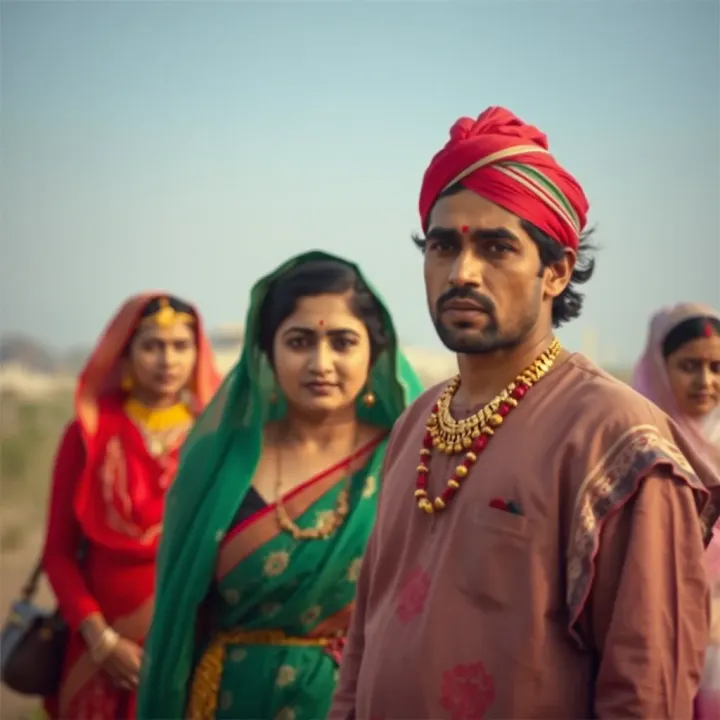
Understanding such traditions is important for investors looking into markets where cultural heritage influences consumer preferences and social norms. It also points to the potential for increased acceptance of diverse identities as societies modernise and globalise.
In recent decades, several countries have introduced legal frameworks recognising non-binary and third-gender identities. Nepal, Pakistan, and Germany, for instance, now allow individuals to mark 'third gender' or 'X' on official documents like passports and CNICs. These moves reflect growing state acknowledgement of gender diversity and create new opportunities for financial inclusion and rights protections.
From a business standpoint, legal recognition impacts markets by expanding addressable demographics and informing policies on diversity and inclusion. For example, companies in Pakistan that recognise non-binary employees formally may see improved morale and productivity, reflecting broader social trends.
South Asia has one of the longest histories of recognising gender beyond the binary. The hijra community, tracing back several centuries, has been traditionally acknowledged in India, Pakistan, and Bangladesh. Though often marginalised, hijras have played ritual and social roles, such as blessing newborns and newlyweds. This history shows a complex relationship between societal acceptance and exclusion of non-binary persons.
For foreign investors and analysts, understanding this historical context is crucial to grasp the nuanced socio-cultural fabric influencing modern-day consumer behaviour and social attitudes.
Today, non-binary individuals in Pakistan face both growing visibility and significant hurdles. While the state legally recognises a third gender category on CNICs, social acceptance remains limited. Many non-binary people encounter discrimination in education, employment, and healthcare. However, community organisations and social media platforms are increasingly advocating for rights and awareness.
Recognising these challenges is important for businesses aiming to operate ethically and effectively in Pakistan. Supporting inclusivity and understanding legal frameworks around gender diversity can enhance brand reputation and open new markets. Moreover, it encourages corporate social responsibility aligned with local realities and international standards.
Grasping the historical and cultural roots of non-binary recognition helps stakeholders appreciate the complexities and opportunities present in emerging gender diversity conversations, particularly in South Asia and Pakistan's socio-legal landscape.
The way non-binary individuals express their gender is a key part of understanding their experience. Expression allows them to communicate their identity to others and find comfort in their own skin. In Pakistan, where traditional gender roles are quite entrenched, recognising these diverse expressions helps reduce misunderstandings and creates space for acceptance.
Pronouns are words people use to refer to others, like "he," "she," or "they." For many non-binary people, using pronouns that match their identity is important because it respects and acknowledges who they are. Some may prefer "they/them," "ze/hir," or simply their name as a pronoun. For example, a person named Adeel who identifies as non-binary might ask friends and colleagues to use "they" when speaking about them, rather than "he."
Names also matter heavily. Choosing a name that fits one's identity can be freeing, particularly when it strays from the gendered names typically associated with male or female. Someone assigned a female name at birth might adopt a non-gendered or masculine name as part of their expression.
Clothing is one of the most visible ways non-binary individuals can express gender. Many pick styles that blend or reject standard male-female wardrobes. For instance, someone might pair traditionally masculine items like jeans with feminine accessories or wear neutral colours to avoid gender categorisation.
This freedom in presentation helps match their external appearance to their internal sense. In some cases, non-binary people may avoid stereotypical dress codes seen in Pakistani culture, opting instead for styles that feel authentic to them, whether that means loose kurtas, tailored blazers, or casual t-shirts and jeans.
Coming out as non-binary involves sharing this identity with others, which can be a deeply personal and sometimes risky step. In Pakistan, where awareness about non-binary identities is limited, disclosure may lead to confusion or even rejection in family or workplace settings.
Nonetheless, honest disclosure often leads to better mental health and stronger support networks. For example, someone might explain their pronouns and non-binary identity to close friends gradually, building understanding and easing eventual openness in wider social circles.
Non-binary individuals frequently face social pressure to conform to traditional gender roles. These pressures can come from family expectations, workplace norms, or broader cultural beliefs. This often results in stress, anxiety, or hiding one’s true self.
Finding allies—friends, community groups, or even supportive colleagues—can make a big difference. Some people also find strength in online communities where non-binary identities are more understood. While societal acceptance remains limited in many parts, ongoing education and visibility slowly change attitudes, easing the way for future generations.
Genuine respect for non-binary expression, from pronouns to clothing choices, plays a vital role in fostering inclusion. Supporting individuals in their social and emotional journeys benefits not only them but also enriches Pakistani society with a broader understanding of human diversity.
In short, the expression and experience of being non-binary connect identity with everyday life. Recognising this helps communities and workplaces become more welcoming, which is especially relevant in Pakistan's evolving social landscape.
Understanding the hurdles faced by non-binary individuals in Pakistan reveals gaps in both legal frameworks and social attitudes. These challenges affect many areas, from official documentation to daily interactions, shaping their lived experiences and access to rights.
One significant issue is the Computerised National Identity Card (CNIC) system, which currently recognises only male and female gender markers. Non-binary people find this restrictive, as they cannot select a gender category that truly represents their identity. This lack of recognition on the CNIC often complicates dealings with government services, banking, travel, and employment.
Legally, Pakistan has yet to establish clear provisions for non-binary gender recognition. Unlike some countries with third-gender options, Pakistan’s legal system offers limited routes for gender marker changes outside the binary framework. However, recent court cases and NGO efforts advocate for inclusion and legal reforms. For example, the recognition of transgender rights following the Transgender Persons (Protection of Rights) Act 2018 provides groundwork that non-binary activists are now building upon.
Social stigma and discrimination remain widespread against non-binary people in Pakistan. Many face marginalisation at work, in educational institutions, or even within their families. Transphobia often overlaps with unawareness about non-binary identities, causing misgendering or exclusion. These attitudes reduce opportunities and lead to mental health struggles.
Support networks and community organisations offer critical relief. Groups like the Khawaja Sira Society and other grassroots organisations provide safe spaces, legal aid, and counselling. Social platforms also help connect non-binary individuals for solidarity and awareness. These resources are vital for navigating discrimination and pushing for social acceptance.
Legal recognition and social support for non-binary people in Pakistan are not just about policy changes but about realising everyday dignity and equal access. Progress in both spheres will shape a more inclusive society.
By focusing on these areas, financial analysts and traders interested in Pakistan’s socio-economic climate can better understand the challenges affecting gender-diverse communities and the potential shifts in social norms and policies that may impact markets and workplaces.
Greater understanding and inclusion of non-binary individuals is vital to building a more equitable society in Pakistan. This approach not only helps reduce discrimination but also fosters acceptance in public spaces, workplaces, and families. Embracing gender diversity enriches social cohesion and encourages more honest conversations around identity. Without recognition and support, non-binary people often face isolation and barriers to accessing services.
Schools and workplaces play important roles in shaping attitudes towards non-binary identities. Incorporating gender diversity topics in school curricula can help students grasp concepts beyond male and female categories, reducing bullying or misunderstandings. For example, teachers can include lessons on varied gender expressions or invite speakers who share personal experiences. This creates a respectful environment where students and staff feel seen and safe.
In workplaces, awareness programmes and diversity training that include non-binary perspectives allow teams to communicate better and avoid unintentional exclusion. Simple actions like updating HR policies to cover non-binary identities and using inclusive language in communications can make a big difference. Progressive Pakistani companies increasingly offer gender-neutral washrooms and support groups, setting positive examples.
Media and social platforms are powerful tools for spreading awareness about non-binary identities. Pakistani dramas, documentaries, and talk shows that fairly portray non-binary people can challenge stereotypes and expand public understanding. Social media influencers and activists often share stories about their gender journeys, helping individuals relate and learn in real time.
Platforms like Twitter, Instagram, or YouTube offer spaces where non-binary community members connect, educate followers, and advocate for rights. The wider public, including youth, often learns about gender diversity first through these channels. However, it is important for content creators to avoid sensationalism and present information accurately and respectfully.
Respecting non-binary identities starts with communication: using correct names and pronouns is a basic but meaningful step. Asking politely and without assumptions recognises personal dignity and helps create trusting relationships. For instance, colleagues respecting a non-binary person's pronoun preferences at work fosters inclusion and boosts wellbeing.
Language matters in everyday life, too. Avoiding gendered terms like "sir" or "madam" and instead using neutral greetings can be considerate. Pakistani social norms often emphasize respect, so adapting speech consciously demonstrates care and openness.
Legal recognition remains a pressing issue for non-binary people in Pakistan. Campaigning for gender markers beyond male and female on CNICs (Computerised National Identity Cards) and passports addresses key hurdles in accessing rights and services. Supporters can join civil society efforts or petition authorities for inclusive policies.
On a social level, advocating for anti-discrimination laws and encouraging employers, educational institutions, and healthcare providers to accommodate non-binary identities can ease everyday challenges. Progress requires collective voices pushing for visibility and equal treatment.
Inclusion is not just about tolerance but about active engagement to ensure that every individual’s gender identity is respected, protected, and valued across Pakistani society.
🌈 Learn about non-binary identity beyond traditional gender roles, common misconceptions, social challenges, and how to respect this identity in Pakistan's cultural context.
Explore non-binary identities 🏳️🌈 in Pakistan and beyond. Understand social, cultural, and legal challenges faced, plus the need for respect and recognition.
📈 Learn how binary options signals work and how traders in Pakistan can use them smartly. Get tips, benefits, risks & pick reliable signal sources.
📊 Understand binary numbers and learn to spot non-binary values clearly. Explore practical examples and key concepts vital for computing and digital systems.
Based on 12 reviews