

Understanding Binary Numbers: A Clear Guide
💻 Discover how the binary number system powers computing! Learn its basics, conversion methods, real-world uses, and tips for overcoming common challenges.
Edited By
Isabella Clark
Binary numbers form the backbone of digital systems, from computer processors to blockchain technologies that shape today's markets. At its core, a binary number consists only of the digits 0 and 1. Each digit represents a bit, the smallest unit of data in computing.
Understanding binary is vital for traders and financial analysts since many encryption and data transmission methods in cryptos and stock exchange algorithms depend on binary calculations. However, spotting non-binary values is equally important to avoid errors in data handling.
A binary number uses only two digits: 0 and 1.
Each digit corresponds to a power of two, starting from the right (2⁰, 2¹, 2², and so on).
For example, the binary number 1011 equals:
1×2³ + 0×2² + 1×2¹ + 1×2⁰ = 8 + 0 + 2 + 1 = 11 in decimal.
Any number containing digits outside 0 and 1 is non-binary. Consider these examples:
1021 ❌ (contains digit 2)
201 ❌ (contains digit 2)
11011 ✅ (valid binary number)
12345 ❌ (digits beyond 1)
Such non-binary values should not be used where binary format is expected, or they might cause incorrect calculations or system failures.
Remember: Even a single digit outside the binary set invalidates the entire number in a binary context.
In cryptocurrency transactions, binary data underpins wallet addresses and private key generation. A wrong digit due to misreading or data corruption could cause loss of funds. Similarly, stock trading algorithms rely on binary-coded data streams; errors here can lead to false signals.
Inspect each digit manually or use software tools that validate data input.
Convert the suspected number into decimal only if it contains 0s and 1s.
Check system logs for errors indicating non-binary input.
By keeping these tips in mind, traders and financial analysts can confidently handle the binary data critical to their work and avoid mistakes arising from non-binary numbers.
Binary numbers are fundamental to how computers and digital systems operate. For traders, investors, and crypto enthusiasts, understanding binary numbers helps demystify the technology behind transaction processing, encryption, and data storage. Grasping these basics enables better interpretation of technical reports and system behaviours that rely heavily on binary representations.
Binary numbers use only two digits: 0 and 1. Each digit represents a state, often referred to as 'off' or 'on'. This simplicity makes binary ideal for electronic circuits, where these states correspond to low or high voltage signals. For example, a trader analysing crypto wallet addresses or blockchain data benefits from understanding that all underlying computer operations reduce to sequences of these two digits.
Unlike decimal numbers that use digits 0–9, binary sticks to just two digits. This makes binary a base-2 number system, while decimal is base-10. For instance, the decimal number 5 is written as 101 in binary. Hexadecimal, which is base-16 and used often in programming, includes digits 0–9 and letters A–F, differing significantly from binary. Knowing these distinctions helps investors decipher system logs or technical details in fintech applications.
Digital devices, including mobile phones and computers common in Pakistan, rely on binary signals to function. Circuits process binary by recognising voltage levels representing 0 and 1. This straightforward method reduces electronic noise, increasing reliability even during power fluctuations or loadshedding. Traders using mobile apps for stock or crypto trading indirectly benefit from this robust binary foundation, which ensures smoother data transmission.
All digital data—texts, images, and videos—are encoded in binary within computers. For example, a Pakistani investor viewing market charts on a stock exchange app receives data that a computer translates from binary into readable forms. Understanding that binary underlies all these processes reassures users about the precision and consistency of such technologies.
Recognising binary numbers equips users with better insight into how digital tools work, especially vital for professionals navigating Pakistan’s growing digital financial landscape.
In summary, knowing what binary numbers are and their role in computing enables more informed interaction with digital systems, crucial for traders, investors, and analysts who rely on technology daily.
Understanding the characteristics of binary numbers is key to identifying which values qualify as true binary and which do not. In digital trading systems or crypto wallets, recognising this ensures accurate data processing and secure transactions. Binary numbers consist of very specific elements that separate them from decimal or hexadecimal values commonly seen in financial systems. Being clear about these elements helps in avoiding mistakes when handling digital data.
Binary numbers strictly use only two symbols: 0 and 1. This narrow digit set is what makes the binary system unique and fundamentally different from decimal or other numbering systems. In computing, these digits correspond directly to the off and on states of electronic switches, which is why all computing devices rely on this scheme. This also means that any number containing digits outside this range cannot be considered binary.
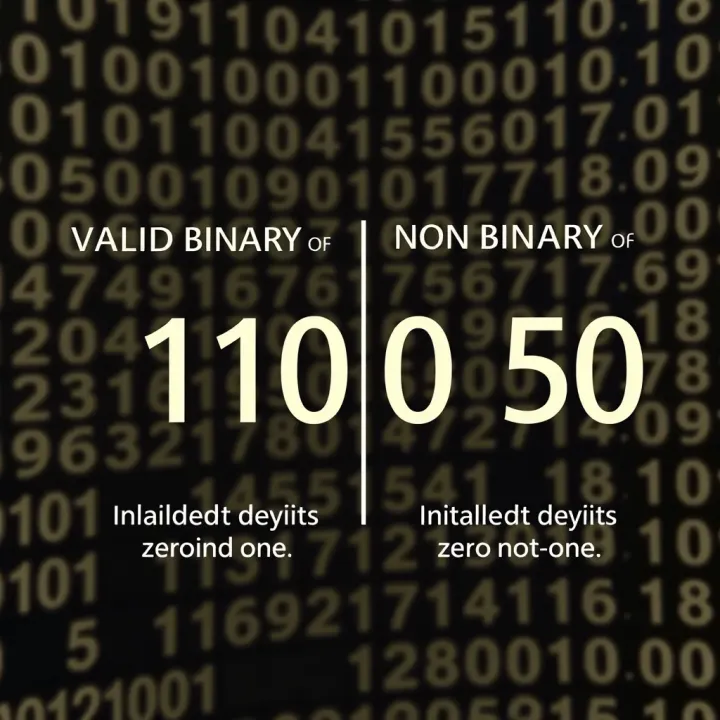
For example, a number like 1011 is valid binary because it only uses zero and one. Meanwhile, a number such as 1021 or 1201 is clearly non-binary due to the presence of digits like 2. Recognising these allowed digits is the first step in verifying if a value fits the binary system.
Each digit in a binary number plays an essential part in representing values based on powers of two. The rightmost digit represents 2^0 (which is 1), the next digit to the left 2^1 (which is 2), then 2^2 (4), and so on. This positional value system means each digit's placement affects the overall numeric value.
For instance, the binary number 1101 is split into 1×8 + 1×4 + 0×2 + 1×1, which totals to 13 in decimal form. Understanding this helps financial analysts and traders convert and interpret binary data correctly when examining encrypted keys, blockchain identifiers, or digital signatures.
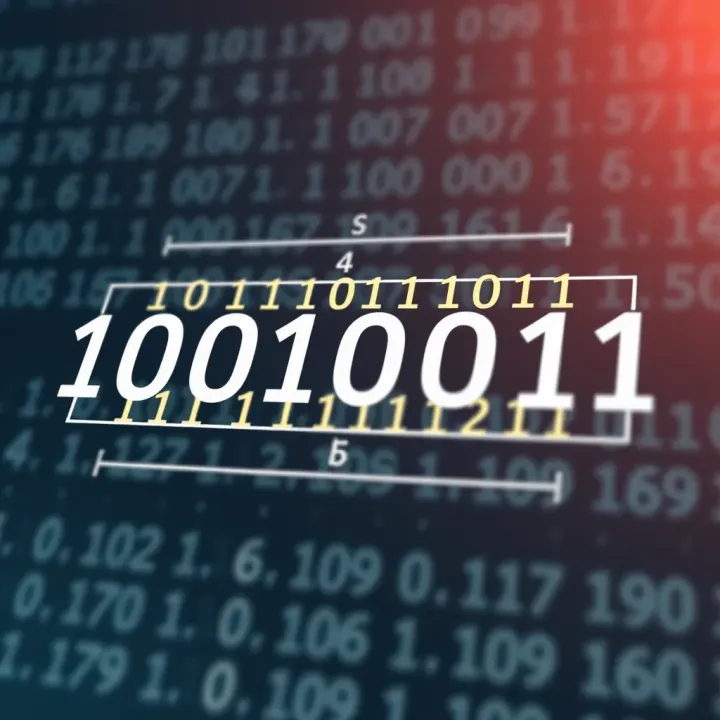
Binary numbers can have a fixed length or be variable in length depending on their application. In digital communications or finance, fixed-length binary numbers are common, especially when representing data packets or transaction IDs of set size. For example, an 8-bit binary number always contains exactly eight digits, like 10110011.
Variable-length binary numbers are used in scenarios where the size of the number can change, such as encoding numbers in cryptographic hashes or compressing data in files. Recognising the expected length can prevent misinterpretation of binary data received from different systems.
Certain binary patterns are frequently encountered in computing and can hint at their purpose or format. Patterns such as repeating zeros like 0000 or recurring ones like 1111 might be padding or flags that hold specific meaning in coding or transactions. Sequences like alternating 1010 or 0101 often show up in error checking or signalling.
For example, in blockchain transaction verification, patterns may indicate validation codes or proof-of-work markers. Learning to spot these helps in quickly identifying binary sequences useful for technical data examination versus those that are not.
Being aware of these characteristics helps not only in validating binary numbers but also aids in spotting errors or fraudulent inputs in digital financial systems.
By mastering these traits, traders and analysts can better interact with the digital layers of modern markets, ensuring integrity and precision in their work.
Recognising non-binary numbers is essential, particularly for traders, investors, and financial analysts who work with digital systems or crypto platforms. Non-binary values can cause errors if mistaken for binary, leading to faulty data processing or poor financial decisions. This section highlights common types of non-binary numbers and the pitfalls to avoid.
Binary numbers use only the digits 0 and 1. Any number containing digits from 2 to 9 falls outside this system and cannot be correctly interpreted as binary. For instance, "102" or "235" are not binary numbers since digits 2 and 3 break the binary format rule. This distinction matters because digital systems rely on strict binary inputs to represent data accurately.
For professionals dealing with data streams or analysing crypto transactions, spotting these non-binary digits quickly can prevent costly mistakes. Suppose a trader receives a data string "110201" and treats it as binary; the inclusion of digit "2" indicates a formatting or transmission error, which must be flagged immediately.
Decimal numbers (base 10) use digits 0 through 9, so any number beyond '1' in binary is typical for decimal. For example, "237" is clearly decimal and is often confused by beginners as binary. Similarly, hexadecimal (base 16) numbers extend digits further by including letters A to F representing values 10 to 15. "1A3F" is a hexadecimal number, definitely not binary. This distinction is vital for investors and analysts who encounter data in multiple numbering systems, such as blockchain hashes or financial codes.
Understanding the difference helps financial software and verification tools display data correctly. Imagine a blockchain address mistakenly interpreted as binary; it could cause transaction errors or security risks. Thus, familiarity with decimal, hexadecimal, and binary limits ensures accurate data analysis.
Some strings appear binary at first glance but are not. For example, "11012" looks like a binary number but contains digit "2" which invalidates it. Another misconception is treating numbers like "10101010" as binary regardless of context, while they might simply be decimal or part of a larger mixed code.
Such confusion often arises in financial algorithms or crypto platforms, where data formats vary. Traders relying on automated scripts may face processing errors if scripts do not validate these inputs carefully.
The simplest way to avoid errors is to manually or digitally check that every digit is either 0 or 1. This can be done using basic programming scripts or built-in functions in financial analysis software. Confirming the numbering system before conducting conversions or calculations helps keep data integrity intact.
Additionally, understanding the context of the number is crucial. If a number comes from a system known to use hexadecimal or decimal, suspect non-binary digits and verify accordingly. This practice prevents misinterpretation during trading analysis or blockchain validation.
Always ensure your input data fits the expected numbering system to avoid misleading financial insights or computational errors.
By staying vigilant about non-binary examples, traders and analysts can improve their data handling and reduce risk when dealing with digital and crypto environments.
Verifying whether a number is binary is straightforward but essential, especially for professionals dealing with digital data or financial algorithms dependent on binary logic. Getting this right prevents calculating errors during data processing, algorithmic trading, or coding financial systems. Techniques to verify binary numbers include manual inspection and software tools, each useful in different contexts.
The simplest method to check if a number is binary involves looking at every digit sequentially. Binary numbers only contain the digits 0 and 1. For example, the number 110101 is binary because it only has zeros and ones. If you come across a number like 1021, the presence of digit ‘2’ immediately disqualifies it as binary.
This inspection requires minimal resources and works well for short numbers or quick verifications. Traders or analysts dealing with small data snippets, such as binary flags or indicators in software reports, often use digit-by-digit inspection to confirm validity before integrating the data into larger computations.
Beyond just scanning digits, recognising common binary patterns helps speed up validation. Binary sequences often follow specific patterns like alternating zeros and ones (e.g., 010101), or clusters of ones and zeros reflecting byte-like groupings (e.g., 11110000).
For instance, when analysing a data stream or financial algorithm coding, an expert might spot a non-binary number if the pattern includes digits beyond 1 or if the sequence layout doesn’t conform to expected binary formatting. This technique reduces errors from mislabelled data and saves time by flagging invalid input quickly.
Specialised software tools and online validators serve well when dealing with long numbers, complex datasets, or automation tasks. These tools scan input values automatically and confirm if the sequence consists strictly of 0s and 1s.
For financial analysts working on algorithmic trading platforms or managing coded assets, these validators help ensure that binary-coded data streams or blockchain-related keys do not contain faulty entries. The speed and accuracy offered minimise the risk of errors in computations or encryption.
Many programming environments and spreadsheet software include built-in functions to verify binary data. For example, Microsoft Excel allows users to write simple formulas that test for non-binary digits in a cell range, flagging any mistakes.
Similarly, programming languages like Python can check binary validity using simple loops or regular expressions. Using such features supports data integrity checks during financial modelling or system development and integration phases, saving time while maintaining precision.
Spotting non-binary values early safeguards your financial computations and coding—from small algorithms running on your laptop to large trading systems at brokerage firms.
In all, choosing the right verification method depends on the context—manual checks suit quick tasks, while software aids handle volume and complexity efficiently.
Binary numbers are the foundation of modern technology, especially in computing and telecommunications. Their simplicity—using only two digits, zero and one—makes them ideal for digital circuits that have just two states: on or off. This characteristic is why understanding binary numbers is not just theoretical but practical, especially for anyone involved in technology, finance, or digital analysis.
Mobile networks rely heavily on binary data to operate efficiently. When you make a call, send a message, or browse the internet from your mobile phone, the information is transmitted as a series of binary signals through cellular towers. This binary flow ensures that complex data is converted into simple electrical pulses, allowing reliable and fast communication.
In Pakistan, telecom providers like Jazz, Telenor, and Zong use binary systems in their infrastructure to manage millions of connections daily. Even the encryption protecting these connections works through binary algorithms, ensuring data security over mobile networks. Without a firm grasp of binary numbers, one could easily overlook how digital communication works behind the scenes.
Digital payment platforms such as JazzCash and Easypaisa operate on devices and software that process binary information. Every transaction, whether sending money or paying bills online, depends on binary-coded data to ensure accuracy and security.
Even the smallest feature, such as verifying CNIC (Computerised National Identity Card) details or initiating mobile top-ups, involves binary computations. Understanding binary numbers helps unpack how such platforms maintain security while handling large volumes of financial data, which is critical for traders and financial analysts tracking electronic transactions in Pakistan's evolving digital economy.
Binary numbers are a core part of the computer science curriculum in Pakistan and globally. Students learn binary arithmetic, logic gates, and data representation early to grasp how computers operate at the simplest level. This knowledge forms the backbone for more complex topics like programming, data structures, and network security.
Covering binary concepts thoroughly prepares students for practical challenges in IT sectors and digital finance, where machine-level operations matter. For professionals dealing with data analytics or cryptography, a solid understanding of binary systems streamlines problem-solving and decision-making.
Beyond academics, mastering binary numbers equips students and professionals with skills crucial in various fields. For instance, software developers use binary logic when debugging code. Financial analysts working with algorithms or blockchain technologies often deal with binary data structures.
Knowing how to verify whether a sequence of digits qualifies as binary aids in tasks like validating data input or ensuring the integrity of digital communication streams. This skill is especially useful for those in finance and trading, where data accuracy impacts decision-making and risk management.
Grasping binary numbers is more than just an academic exercise; it empowers you to understand the digital backbone of everyday technology and modern financial systems in Pakistan and beyond.
Mobile communication depends on binary signals for transmitting data securely and efficiently.
Digital payments rely on binary processing for accuracy and fraud prevention.
Computer science education in Pakistan focuses on binary to build foundational tech skills.
Professionals benefit from binary knowledge in software, finance, and data analysis fields.
💻 Discover how the binary number system powers computing! Learn its basics, conversion methods, real-world uses, and tips for overcoming common challenges.
Explore binary numbers 🔢: their structure, counting basics, computing role, conversions, arithmetic, and tech uses crucial for digital electronics and IT.

🔢 Explore the binary number system in computers: how it works, binary arithmetic, data storage, error detection, and conversions made simple for tech learners in Pakistan.
🔢 Understand binary variables, their values, and real-world uses in programming and data analysis—essential info for statisticians and coders alike!
Based on 13 reviews