
Understanding Forex Trading in Pakistan
📉 Learn the ins and outs of forex trading in Pakistan: how it works, legal rules, trusted platforms, risks, and tips for beginners to trade smartly. 🇵🇰
Edited By
Sophie Bennett
Live forex trading means buying and selling currencies on the foreign exchange market as prices change instantly. Unlike traditional investing that often involves longer holding periods, live trading happens in real time. This urgency requires quick decisions, steady nerves, and good tools.
In Pakistan, many traders are interested in forex because it offers high liquidity and operates 24 hours. However, strict regulations by the State Bank of Pakistan (SBP) and Federal Board of Revenue (FBR) make it essential to approach this market carefully. You must use PTA-approved brokers and platforms that comply with Pakistani law to avoid legal troubles.
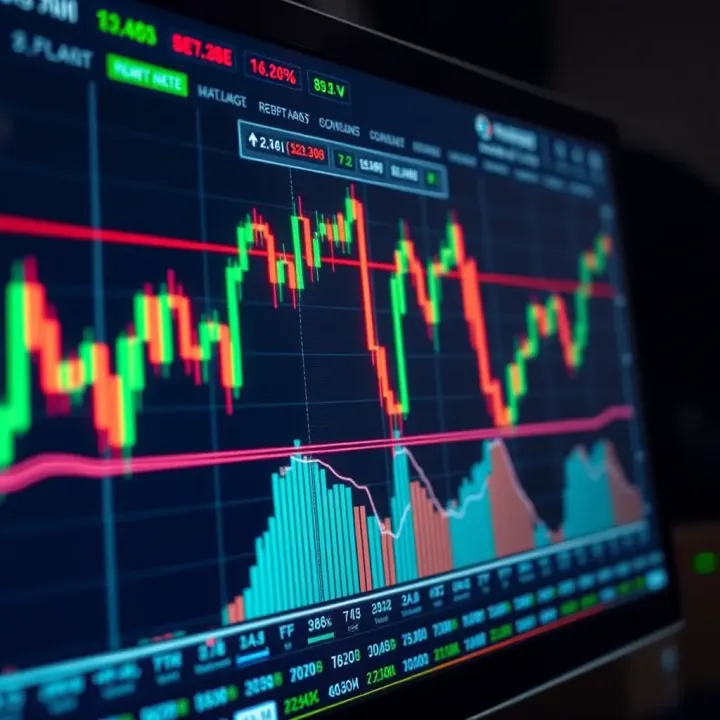
Live forex trading involves using platforms like MetaTrader 4, MetaTrader 5, or broker-specific software where you can view currency pairs, execute trades, and manage positions. These platforms provide charts, news feeds, and technical indicators that help guide trading decisions.
Trading currencies, such as USD/PKR or EUR/USD, relies on several factors including economic data, geopolitical events, and central bank policies. For example, if the SBP unexpectedly changes its policy rate, the PKR value can fluctuate drastically within minutes, presenting buying or selling opportunities.
For traders in Pakistan, understanding the risks of live forex trading is vital because of market volatility and regulatory scrutiny. Blindly following tips or unregulated brokers can lead to serious financial loss.
Successful traders manage their risk by:
Setting stop-loss orders to limit potential losses
Using leverage cautiously, since it magnifies both gains and losses
Keeping updated with local and global financial news
Practising disciplined money management rather than chasing quick profits
Starting with small amounts and focusing on well-known currency pairs can help beginners reduce risk while gaining experience. Pakistani investors should also consider the tax implications of forex gains declared through FBR.
In short, live forex trading offers real opportunities but demands knowledge, legal compliance, and a sound strategy. This guide will cover the essential tools, access methods in Pakistan, and tactical advice to trade confidently.
Live forex trading provides a real-world platform to buy and sell currencies at current market prices. Unlike simulated or demo trading, live trading exposes you to actual market risks and rewards. For Pakistani traders and investors, understanding live forex trading is essential to participate effectively in global financial markets and potentially benefit from currency fluctuations.
Getting a solid introduction helps traders build confidence and grasp the critical concepts around currency pairs, trading hours, and market behaviour. This foundation supports better decision-making and risk management later when executing live trades.
Live forex trading refers to real-time transactions where currency pairs are bought and sold on a platform connected to the foreign exchange market. Unlike practice accounts, live trading involves actual money and reacts instantly to global factors like economic announcements, trade flows, and political events.
Demo trading is a risk-free environment using virtual money, allowing beginners to familiarise themselves with platforms and test strategies. However, demo accounts do not imitate the emotional pressure or rapid market movements present during live trading. This gap means many traders find their performance differs significantly when switching to real money.
Forex markets operate 24 hours a day, five days a week, with fluctuating prices driven by supply and demand. Live forex trading involves placing orders that are executed nearly instantly, reflecting current prices influenced by events like SBP policy announcements or geopolitical tensions. Real-time data ensures traders make informed moves without delay.
Major currency pairs often involve the US dollar paired with currencies such as the Euro, British Pound, Japanese Yen, and Swiss Franc. These pairs, like EUR/USD or USD/JPY, see high liquidity and tighter spreads, making them popular for both beginners and seasoned traders.
The US dollar acts as the world's primary reserve currency, influencing global trade and finance. The Euro represents the European Union's economic strength, while currencies like the British Pound reflect historical market importance. Movements in these currencies impact global markets and signal shifts in economic policies.
The Pakistani rupee (PKR) reacts to changes in major currencies, especially the US dollar due to Pakistan’s trade and remittance links. For instance, if the dollar strengthens against the PKR, imported goods' prices rise, affecting inflation. Forex traders in Pakistan monitor these pairs closely to capitalise on volatility or hedge risks.
Live forex trading requires not only understanding market mechanics but also following macroeconomic indicators that affect currency demand, making it a dynamic field for investors and traders alike.
Choosing the right tools and platforms plays a big role in how smoothly your live forex trading runs. These tools not only give you access to the market but also provide essential features such as live price updates, technical analysis, and risk management options. Traders in Pakistan benefit significantly by using platforms that suit local banking channels and mobile connectivity.
MetaTrader 4 (MT4) and MetaTrader 5 (MT5) are popular worldwide, including Pakistan, for their user-friendly interfaces and reliable execution. Local brokers often offer these platforms with support tailored to Pakistani traders, integrating local payment methods like JazzCash or Easypaisa for fund deposits and withdrawals. These platforms support automated trading, allowing traders to set customised strategies that work even during loadshedding or offline periods.
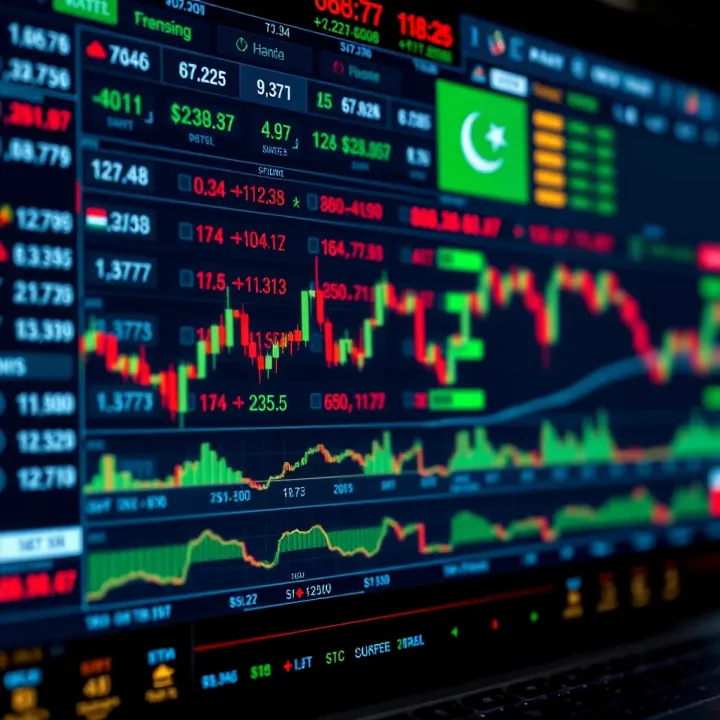
Besides MT4 and MT5, some Pakistan-based brokers provide their own platforms designed specifically for local market needs. These local platforms may offer easier account management and faster customer support, which can be handy especially for new traders.
Pakistani traders increasingly rely on mobile apps to trade while travelling or away from their desktops. Apps from MT4, MT5, and local brokers allow you to monitor live prices, place orders, and manage your portfolio anytime, anywhere. This flexibility helps traders respond quickly to market shifts caused by global events or local economic announcements.
Most apps provide push notifications for important events, so you don’t miss out on critical trade alerts or stop-loss triggers. With mobile internet coverage improving across Pakistan, these apps offer convenient, real-time access without being tied to home or office.
When picking a platform, pay attention to its charting tools, order types, and execution speed. A good platform should also have secure login features and allow easy integration of real-time news and economic calendars. Platforms that support multiple asset classes beyond forex, such as commodities or indices, can diversify your trading options.
Look for brokers licensed by relevant authorities and platforms with clear fee structures. Poor trade execution or hidden charges can quickly eat into profits, so transparency and reliability are key.
Live price feeds provide up-to-the-second currency rates. Timely and accurate prices matter a lot because even a small delay can lead to buying or selling at an unfavourable rate, especially in volatile markets. Platforms that source feeds from multiple liquidity providers generally ensure better pricing and lower spreads.
For Pakistani traders, reliable live data is crucial during times like SBP policy announcements or international crises, when forex rates can swing sharply within minutes.
Charts and indicators help traders anticipate price movements by analysing past trends and market behaviour. Tools like moving averages, RSI (Relative Strength Index), and Fibonacci retracements give insights into momentum and support or resistance levels.
Using these tools correctly requires some practice, but most platforms now include tutorials and demo modes to build confidence before trading live.
Many trading platforms incorporate a news feed and economic calendar directly within the interface. These features keep you updated on global and local events—such as FBR tax policy changes or WAPDA electricity load shedding schedules—that influence the forex market.
Knowing when major announcements are due helps traders prepare and avoid being caught off guard by sudden market jumps or drops. Pakistani traders should watch for announcements by the State Bank of Pakistan and major trading partners for the best timing.
Having quick access to the right tools and accurate data is key to making sharp decisions in live forex trading. Without these, even the best strategies can fail.
Overall, selecting suitable platforms and leveraging real-time data effectively can make all the difference in how you navigate currency markets from Pakistan.
Different trading approaches shape your success in live forex, so understanding their practical aspects is essential. Choosing the right method depends on your risk tolerance, time you can commit, and market knowledge. Well-informed decisions here protect your capital and target potential profits.
Scalping and day trading focus on making quick gains from small price moves. Scalpers hold positions for seconds to minutes, capitalising on tiny fluctuations. In volatile markets like EUR/USD or USD/JPY, scalping can be profitable if you have fast execution via platforms like MetaTrader 5. Day traders hold trades within the same session, avoiding overnight risk. For example, a day trader may buy GBP/USD early morning and close the position before market close to avoid sudden swings. These strategies suit active traders who watch charts constantly.
Swing trading basics take a slower pace. Swing traders hold positions for days or weeks to catch medium-term trends. If USD/PKR shows a clear upward momentum due to economic data, a swing trader would enter early and hold to capture the larger move. This approach fits those who can’t monitor markets every minute but understand technical indicators like moving averages or RSI. It balances risk and reward effectively for many Pakistan-based forex traders.
Using leverage wisely is vital. Leverage lets you control bigger positions with smaller capital, for example, 1:100 means Rs 10,000 controls Rs 1,000,000 worth of currency. While leverage multiplies profits, it also increases losses. Beginners should avoid maxing out leverage; instead, start conservatively and increase only with experience. A careless use could wipe your entire account quickly, especially during unpredictable events like US Federal Reserve statements or sudden rupee volatility.
Setting stop-loss and take-profit orders prevents unexpected big losses or locks in gains automatically. A stop-loss might close your position if USD/EUR falls 50 pips against you, limiting your damage. Take-profit closes the trade when your target price is hit, say after Rs 200 per lot profit. Defining these levels before trade removes emotional decisions, especially during times Pakistani markets face sudden jumps due to political or economic news.
Position sizing means adjusting trade size based on your overall capital and risk appetite. For example, with a Rs 50,000 trading account, risking 2% per trade means only risking Rs 1,000. So, your lot size should be small enough to stick to this limit. Proper position sizing makes surviving losing streaks manageable and protects your account balance.
Avoiding overtrading saves you from burnout and emotional mistakes. Jumping into too many trades daily or increasing size after losses often leads to bigger problems. Many traders in Pakistan rush during Eid season or major events, hoping for quick wins, but end up losing hard. Focus on quality trades, stick to your strategy, and take breaks when needed.
Solid trading approaches and disciplined risk management form the backbone of consistent forex success. Trading isn’t gambling; it requires planning, patience, and practice.
These methods help you build a robust trading routine, lowering risk while keeping opportunities open. Understanding and applying these concepts is how many Pakistani traders achieve steady returns rather than rapid losses.
Understanding the legal and practical framework is vital for Pakistani traders engaged in live forex trading. Without this knowledge, traders risk violations that can lead to penalties or fund losses. The forex market operates under specific regulations in Pakistan, which shape how one can fund accounts, choose brokers, and comply with tax rules.
The State Bank of Pakistan (SBP) plays a central role in regulating forex trading. It issues guidelines on acceptable foreign exchange transactions and monitors currency flows to maintain market stability. For traders, understanding SBP directives ensures their activities align with national financial laws. For example, any transfer of funds abroad for forex trading must typically comply with SBP's rules on foreign currency remittances, preventing illegal outflows.
Pakistan enforces foreign exchange laws to regulate how foreign currencies enter and leave the country. These laws restrict unapproved transactions, requiring traders to use authorised channels for currency exchange and fund transfers. It means funding a trading account with foreign currency through unofficial methods can breach these laws. Staying compliant helps avoid legal troubles and potential freezing of accounts.
Selecting a broker licensed by recognised authorities is critical. Licensed brokers ensure compliance with Pakistan’s regulations and international standards, providing safer trading environments and protecting client funds. With many offshore brokers targeting Pakistani traders, it’s easy to fall into unreliable providers promising unrealistic returns. Verifying licences, such as from the Securities and Exchange Commission of Pakistan (SECP) or well-known international regulators, mitigates these risks.
Pakistani traders often prefer using local digital wallets like JazzCash and Easypaisa alongside traditional banking to fund and withdraw forex trading accounts. These platforms offer convenience and security but require ensuring the broker accepts these payment modes. Using local channels also simplifies currency conversion and reduces delays compared to international wire transfers.
Currency conversion can affect the overall cost of trading. When depositing or withdrawing, traders face exchange rate spreads and fees which impact profits. For example, converting PKR to USD for a forex account may involve charges by the bank or wallet, so comparing rates is worthwhile. Also, frequent conversions can accumulate costs, so maintaining funds in USD with trusted brokers can save money.
Forex trading profits in Pakistan are subject to taxation under the income tax laws. Traders must disclose gains in their annual tax returns to the Federal Board of Revenue (FBR). Failure to report can lead to penalties or scrutiny. Keeping accurate records of trades, deposits, and withdrawals helps during tax assessments. It’s sensible to consult tax advisors familiar with forex to ensure compliance and optimise tax liabilities.
Observing local laws and practical guidelines safeguards your trading activities and builds a foundation for sustainable gains. Take every step carefully and operate with trusted brokers and payment methods to keep your investments secure.
By understanding these legal and practical considerations, Pakistani traders can navigate live forex trading safely and confidently, avoiding pitfalls and optimising their trading experience.
Entering live forex trading without proper preparation can lead to costly mistakes. This section covers essential tips to help you begin confidently and avoid common pitfalls. It highlights how practicing on demo accounts, creating a solid trading plan, and setting realistic goals contribute to better decisions and long-term success.
Using demo accounts is the first practical step for beginners. These virtual trading environments simulate real market conditions without risking actual money. For instance, you can try buying and selling major currency pairs like USD/PKR or EUR/USD to get a feel for how trades execute in real time. Demo trading sharpens your understanding of platform tools and order placement before committing financially.
A trading plan acts as your roadmap in live forex trading. It details your entry and exit rules, risk tolerance, and the kind of strategies you will use. Without a plan, trading becomes guesswork. For example, you might decide to risk only 1% of your capital per trade or avoid trading during volatile news events. Having clear rules keeps emotions in check and helps maintain discipline.
Many new traders aim for quick profits, which often leads to disappointment. Setting achievable goals means understanding forex trading’s unpredictability and accepting steady growth over instant wins. If you start with a goal to gain 1-2% per month, it’s easier to track progress and adjust strategies accordingly. This approach also reduces the chance of reckless decisions driven by greed.
Trying to recover losses quickly by making bigger or frequent trades is a slippery slope. This behaviour, known as chasing losses, often worsens your position. For example, after a bad trade on USD/PKR, some might trade larger lots in the hope of a quick rebound, but this usually leads to further losses. Remaining patient and sticking to your plan is the wiser route.
Forex markets are sensitive to geopolitical events, economic data, and central bank decisions. Ignoring such news, especially events like SBP policy announcements or US economic reports, can leave you blindsided. For instance, unexpected news might cause sudden currency swings in PKR or USD. Staying updated helps you anticipate movements and manage risk better.
Trading randomly based on hunches or tips rarely works. Without a tested strategy, you’re gambling rather than trading. Strategies, whether scalping, day trading, or swing trading, provide structure to your decisions. For example, a swing trader may aim to hold a position for a few days based on technical signals, reducing exposure to short-term noise. Building and following a strategy improves consistency over time.
Starting live forex trading is a learning curve. Focus on preparation, discipline, and awareness to boost your chances of success in Pakistan’s evolving forex market.
📉 Learn the ins and outs of forex trading in Pakistan: how it works, legal rules, trusted platforms, risks, and tips for beginners to trade smartly. 🇵🇰
📈 Learn forex trading in Pakistan with practical tips on strategies, risk management, and regulations. Navigate common challenges with confidence and care.
Explore Forex gold trading in Pakistan 🇵🇰 with insights on market behaviour, strategies, risk management, and regulations for informed investment decisions in PKR terms.
Securely access your forex trading account in Pakistan with reliable login steps. Learn platform options, avoid common issues, and protect your info 🔒💹
Based on 6 reviews