
Choosing the Best Trading App for Pakistani Investors
🔍 Find out how to pick the right trading app in Pakistan with tips on features, security, costs & regulations—make smarter investment choices today! 📈
Edited By
Liam Foster
Forex trading, also known as foreign exchange trading, involves buying and selling currencies to profit from changes in exchange rates. In Pakistan, it has gained significant interest among traders, investors, and financial analysts looking to diversify their investment portfolios beyond traditional avenues like stocks or real estate.
Getting started with forex trading here requires understanding both the global currency market and Pakistan's specific regulatory environment. Traders must open accounts with brokers who are approved by the Securities and Exchange Commission of Pakistan (SECP) and must follow rules laid down by the State Bank of Pakistan (SBP). Using foreign brokers without proper licences involves risks, including legal issues and difficulty in withdrawing profits.

Accessibility: With internet penetration and mobile banking services like JazzCash and Easypaisa, forex trading platforms are easier to access even from smaller cities.
Potential Returns: Currency pairs like USD/PKR or EUR/PKR often experience volatility, which skilled traders can use to their advantage.
Diversification: Forex offers an alternative asset class, helping investors spread risk.
However, forex trading is not without risks. Traders must be prepared to manage fluctuations carefully through strategies and risk controls.
Engaging in forex trading without proper knowledge or regulatory compliance can lead to significant financial losses and legal complications.
The SBP oversees forex activities to curb money laundering and illegal currency exchange. Pakistani traders should only engage through authorised channels to protect their investments. Additionally:
Maintain updated CNIC and KYC (Know Your Customer) documentation.
Understand tax implications on forex gains, which fall under the Federal Board of Revenue (FBR).
Keep an eye on the PKR exchange rate influenced by SBP policies and Pakistan’s economic conditions.
In summary, forex trading in Pakistan requires a blend of market insight, regulatory awareness, and disciplined strategy. This guide will walk you through practical steps to navigate these elements, ensuring you trade with confidence and care.
Before you jump into forex trading, it’s crucial to grasp the basics. Understanding how the forex market works will help you navigate its ups and downs and avoid common pitfalls. For Pakistani traders, this foundation is especially useful because the forex environment here has unique features, like restrictions imposed by the State Bank of Pakistan and currency controls.
Forex trading involves buying and selling currencies against each other. It's the largest financial market in the world, with a daily turnover exceeding $6 trillion globally. This size means high liquidity, allowing traders to execute orders quickly and at competitive prices.
For example, a Pakistani trader might buy USD/PKR if they expect the US dollar to strengthen against the Pakistani rupee. This trade could be profitable if the USD gains value relative to PKR.
Currency pairs show how much of one currency you need to buy one unit of another. The first currency listed is the base currency, and the second is the quote currency. So, in USD/PKR, USD is the base, and PKR is the quote. If the price is 280, it means 1 USD costs 280 PKR.
Major pairs usually involve the US dollar and other strong currencies like the euro, yen, or British pound. Examples include EUR/USD or GBP/USD. These pairs have tight spreads and high liquidity, making them popular among traders.
Minor pairs don’t include the US dollar but involve other significant currencies, like EUR/GBP or AUD/NZD. These are less liquid and can be more volatile, offering different opportunities and risks.
The forex market is decentralised, meaning there’s no single exchange or central location where trading happens. Instead, it works through a global network of banks, brokers, and dealers. This setup results in 24-hour trading, so you can trade almost any time — an advantage for Pakistani traders who might prefer night sessions.
Forex trading is divided into several sessions: Asian, European, and North American. Each session has its own characteristics. For instance, the Asian session sees more activity in JPY and AUD pairs, which can affect volatility and trading opportunities.
Brokers and liquidity providers play a key role. Brokers connect you to the market, while liquidity providers supply the actual currency. A reliable broker in Pakistan should be PTA-approved and offer transparent pricing to avoid hidden fees. Their choice influences your trading experience heavily.
Understanding these basics is essential. Without it, you might get lost in complicated charts or dumped into risky trades. Grasping how currency pairs and market timings work helps you plan trades smarter and manage your risks effectively.
This foundation sets the stage for building more advanced skills and strategies later in your trading journey.
Starting forex trading in Pakistan demands careful planning and understanding of local regulations and market conditions. Unlike investing in stocks or commodities, forex trading involves dealing with currency pairs, making it essential to choose the right broker, open an account efficiently, and understand the costs involved. Getting started properly reduces risks and helps you trade confidently.
The regulatory status of a forex broker is vital in Pakistan. The Pakistan Telecommunication Authority (PTA) may approve brokers who meet certain operational standards, offering traders some protection against scams. Always check if the broker is regulated by internationally recognised authorities, like the Financial Conduct Authority (FCA) or Australian Securities and Investments Commission (ASIC), alongside PTA guidelines for local operations. This ensures your funds are safer and the broker follows fair trading practices.
Account types differ by broker, often ranging from micro accounts requiring as low as $100 to standard accounts with higher minimum deposits. For Pakistani traders, starting with lower minimum deposits helps test waters without risking large sums. Some brokers also offer Islamic accounts with no interest swaps, popular among Muslim traders for Shariah compliance.
Trading platforms are the interface between you and the forex market. MetaTrader 4 and 5 remain the most common, providing user-friendly charts, automated trading options, and multiple order types. Some brokers offer proprietary platforms with additional features but may lack broad community support. Choosing a platform compatible with your device and trading style is key for smooth execution.
Opening a forex account in Pakistan generally requires your Computerised National Identity Card (CNIC) along with proof of address. This documentation complies with anti-money laundering laws and helps brokers verify your identity. Having these ready streamlines the process and avoids delays.
For funding, electronic wallets like JazzCash and Easypaisa have made deposits much easier. Many brokers accept Pakistani debit/credit cards and bank transfers via HBL, MCB, or Meezan Bank. Choose deposit methods with low fees and fast processing times to start trading swiftly.
Verification usually involves submitting your identification and deposit proof. Once the broker completes this step, your account gets activated, allowing you to access live markets. Prompt verification saves you from missing trading opportunities during volatile periods.
Trading costs include spreads (the difference between buying and selling price), commissions, and swap rates (fees for holding positions overnight). Brokers with tight spreads and no commissions might be cheaper, but always check swap rates if you hold trades for several days.
Beware of overnight fees and hidden charges such as withdrawal fees or inactivity penalties. Some brokers advertise zero commissions but make up with other hidden costs. Pakistani traders should read terms carefully to avoid surprises.
To select cost-effective brokers, compare spreads on major currency pairs like USD/PKR or EUR/USD, check commission structures, and review swap policies. Often the cheapest broker might not offer the best service or platform stability. Balance cost with reliability for better overall results.
Choosing a trustworthy broker with transparent costs and easy funding options is essential to start your forex trading journey smoothly in Pakistan.
By keeping these factors in mind, you reduce risks and set yourself up for better trading outcomes.
Effective trading strategies form the backbone of consistent success in the forex market. Pakistani traders who master these techniques can better handle market swings and improve profits. This section digs into the practical strategies that can help you trade smartly while managing risks.
Reading charts and candlestick patterns is essential for spotting market trends and potential reversals. Candlestick charts show each period’s open, high, low, and close prices, which form patterns like "doji" or "engulfing" that hint at buying or selling pressure. For instance, if the chart displays a bullish engulfing pattern near a support level, it indicates upward momentum and could be a good entry point.
Using technical indicators helps traders confirm trends and identify potential entry or exit points. Popular tools like the Relative Strength Index (RSI), Moving Averages (MA), and Bollinger Bands offer insights on market momentum and volatility. For example, when RSI crosses above 30 from an oversold region, that might suggest a buying opportunity. These indicators aid in decision-making by quantifying price movements rather than relying solely on intuition.
Identifying entry and exit points is critical to locking in profits and minimising losses. Combining chart patterns and indicators, traders can time their trades more effectively. Suppose you spot a head and shoulders reversal pattern forming on the USD/PKR chart near resistance; it could signal an upcoming drop, so exiting before the downturn preserves capital.
Impact of economic data releases is significant in forex trading since reports such as Pakistan’s inflation rate, GDP growth, or unemployment figures directly affect currency values. For instance, higher-than-expected inflation often weakens a currency as purchasing power declines, influencing traders to sell.
Interest rate decisions and central bank policies from institutions like the State Bank of Pakistan (SBP) are closely watched. When SBP adjusts policy rates, currencies react swiftly. A hike generally strengthens the rupee by attracting foreign investments, while a rate cut tends to weaken it. Staying updated on such announcements helps you anticipate market moves.
Geopolitical events affecting currencies cannot be ignored, especially with fluctuating regional stability. Events like trade agreements, political unrest, or international sanctions influence forex volatility. For example, tense relations between Pakistan and neighbouring countries can cause sudden PKR fluctuations. Being aware of these factors aids in timing trades or hedging against risk.
Setting stop loss and take profit orders helps safeguard investments by automatically closing positions at predefined levels. For example, placing a stop loss 50 pips below the entry point limits losses if the market moves unfavourably. Take profits lock in gains once a target price is reached, preventing emotional decisions.
Position sizing and leverage use are vital to controlling exposure. Overleveraging is a common pitfall among new Pakistani traders tempted by the promise of bigger profits. For safer trading, only risk 1-2% of your trading capital per trade and use leverage cautiously, balancing potential rewards with possible losses.
Avoiding common trading mistakes such as chasing losses, neglecting analysis, or trading without a plan can save you from costly errors. Discipline and patience, backed by a clear strategy and risk controls, pave the way for steady progress. Practising with demo accounts before trading live also helps build confidence.
Successful forex trading in Pakistan depends not just on knowing the market but applying well-tested strategies consistently while managing risks smartly. Using technical and fundamental tools together sharpens your edge.
These strategies provide Pakistani traders with actionable insights to trade forex wisely and avoid common traps that lead to losses.
Navigating the regulatory and legal framework is vital for anyone trading forex in Pakistan. It helps traders stay compliant and avoid legal problems while protecting them from unscrupulous practices. Understanding the rules set by the State Bank of Pakistan (SBP) and securities regulators provides clarity on what is permissible and what isn’t.
Forex trading regulations and compliance are governed mainly by the SBP along with the Securities and Exchange Commission of Pakistan (SECP). The SBP regulates foreign exchange transactions and ensures that only authorised entities handle cross-border currency dealings. This means traders must work with PTA (Pakistan Telecommunication Authority) approved brokers who comply with SBP regulations. Operating with a regulated broker reduces the risk of fraud and provides a level of financial security.
Legality of online forex trading platforms is a key concern for Pakistani traders. While the SBP allows forex trading through regulated platforms, it strictly prohibits unauthorised or offshore brokers that are not registered with Pakistani authorities. Many popular global platforms may be restricted or inaccessible due to this. Traders should verify a broker’s licence issued by SECP or SBP to confirm its legitimacy. Ignoring this guidance can mean exposure to scams or loss of funds without any legal recourse.
Guidelines on foreign exchange and remittances help ensure that money transfers for trading purposes comply with Pakistan’s foreign exchange laws. SBP sets clear rules on how much currency can be sent abroad and the documentation needed. For instance, traders funding their accounts from overseas must declare these transactions to avoid running afoul of currency control measures. Following these guidelines helps avoid penalties and ensures smooth operation of forex activities within Pakistan’s legal framework.
Income tax on forex trading profits applies to all residents, including forex traders. The Federal Board of Revenue (FBR) treats earnings from forex as part of taxable income, whether from day trading or longer-term investments. Traders must therefore keep track of gains and losses for accurate tax reporting. Failure to declare forex profits may result in penalties or audits by the tax authorities.
Filing returns with FBR involves declaring forex income along with other earnings in the annual tax return. This requires proper documentation of transactions, including trading account statements and bank records. Many traders also need to fill out additional schedules detailing speculative income. Timely and honest filing demonstrates compliance and avoids fines.
Record-keeping best practices are essential for proper reporting and auditing. Traders should keep detailed trade logs, deposit and withdrawal receipts, and broker communications for at least five years. These records help verify income calculations and support audits by FBR. Maintaining organised records also aids in evaluating trading performance and planning future tax payments.
Keeping up with regulatory changes and tax requirements isn’t just a formality — it protects your investments and keeps your trading journey smooth within Pakistan’s legal system.
Overall, understanding how SBP and SECP regulate forex, staying legal with online platforms, and meeting tax obligations are must-do steps before diving deeper into forex trading in Pakistan.
Navigating the foreign exchange market in Pakistan is not without its hurdles. Traders face multiple challenges that can affect their results and confidence, particularly when scams are rife. This section sheds light on these common pitfalls and offers practical advice to protect your investments and preserve your peace of mind.
Market volatility and currency fluctuations pose a significant risk in forex trading. The forex market is inherently volatile, with currency values shifting rapidly due to global economic events, political changes, and even natural disasters. For Pakistani traders, the rupee's frequent fluctuations against the dollar and other major currencies can lead to unexpected gains or losses within short periods. For example, sudden changes in Pakistan's trade balance or government policy announcements can cause rapid swings in the PKR's value, impacting open positions.
Impact of local economic conditions also plays a critical role. Pakistan's economy faces challenges such as inflation, fiscal deficit, and external debt servicing, all of which influence currency strength. A rise in inflation often weakens the rupee, affecting traders who hold long positions on PKR pairs. Additionally, changes in SBP’s monetary policy or political instability can create unpredictable forex market movements. Understanding these economic indicators can help traders position themselves better and avoid surprises.
Psychological challenges for traders often go unnoticed but heavily influence decision-making. Forex trading demands emotional discipline amidst losses and gains. Pakistani traders, especially beginners, may experience fear during sudden downturns or greed in bullish phases, leading to impulsive decisions like over-leveraging or abandoning stop-loss orders. Such reactions can wipe out sizeable profits or amplify losses. Regular self-assessment, keeping emotions in check, and sticking to a well-defined trading plan can help manage these psychological hurdles.
Common scam tactics in forex include fake brokerages promising guaranteed returns, phishing attacks, and signal seller frauds. Unscrupulous platforms based outside Pakistan may lure traders with fraudulent advertisements offering unrealistic profit margins. Some scams involve impersonating customer service to extract deposits or personal information. These dishonest practices not only drain funds but also discourage genuine traders.
How to verify broker authenticity is crucial to avoid falling victim. Pakistani traders should always check brokers against PTA-approved lists and verify regulatory licenses with international bodies such as the Financial Conduct Authority (FCA) or Australian Securities and Investments Commission (ASIC). Also, look for proper website security (SSL certificates), transparent business addresses, and clear contact details. Genuine brokers usually provide detailed risk disclosures and maintain segregated accounts for client funds.
Tips for safe trading practices include these practical steps:
Use only PTA-approved brokers operating legally in Pakistan.
Avoid offers promising fixed or unusually high profits.
Keep personal and banking information confidential.
Always start with a demo account to test trading platforms.
Stay updated on local forex regulations and market news.
Remember, vigilance and research are your best tools against scams. Approaching forex trading with caution helps safeguard your investments and ensures a more sustainable trading experience.
Being aware of the common challenges and scam tactics equips Pakistani forex traders to make safer, smarter decisions in a highly dynamic market environment.
🔍 Find out how to pick the right trading app in Pakistan with tips on features, security, costs & regulations—make smarter investment choices today! 📈
Explore top trading apps in Pakistan 📱 Compare features, security 🔒, regulations ⚖️, and user experience to find the perfect platform for smart investing 📈.
Explore Pakistan's top trading apps 📱 with detailed insights on features, fees, security, and ease of use. Find the perfect app for your trading style! 📈
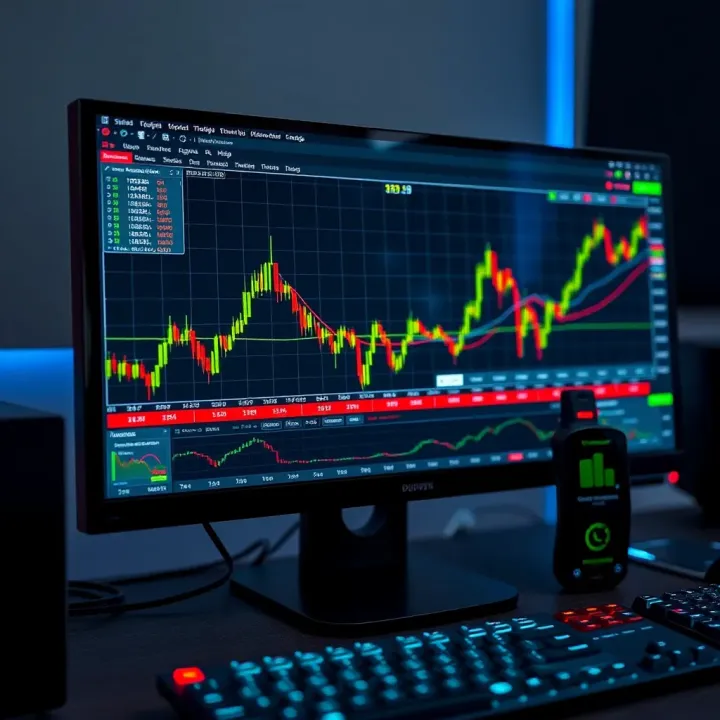
Looking for the best forex trading platform in Pakistan? Discover top features, security tips, and cost comparisons to match your trading style and needs! 💹🇵🇰
Based on 10 reviews