

Effective Forex Trading Strategies in Pakistan
Learn effective forex trading strategies in Pakistan 🇵🇰 covering market analysis, risk management, legal steps, and platform choices for smarter, safer trades 📈.
Edited By
George Lawson
Forex trading in Pakistan has gained significant interest, especially with increasing access to online trading platforms and rising financial literacy. Yet, starting on the forex market requires more than just opening an account—understanding the basics, regulations, and risks is vital.
The foreign exchange market, or forex, is where currencies are bought and sold. Unlike the stock market, forex operates 24 hours, five days a week, influenced by global economic events, interest rates, and political developments. For Pakistani traders, forex trading is appealing due to its high liquidity and potential for profit even with limited capital.
However, trading forex from Pakistan involves certain realities:
The State Bank of Pakistan (SBP) restricts unauthorized foreign exchange transactions, so working with licensed brokers is critically important.
Legal compliance ensures your funds and profits remain secure, avoiding complications with Pakistan’s financial authorities.
Volatility in forex markets can lead to significant losses without disciplined risk management.
Choosing a reliable broker is one of the first practical steps. Look for brokers regulated by internationally recognised authorities such as the Financial Conduct Authority (FCA) or the Cyprus Securities and Exchange Commission (CySEC). Some brokers also obtain approval from Pakistan’s Pakistan Telecommunication Authority (PTA) or other local bodies, adding extra reassurance. Platforms like MetaTrader 4 (MT4) or MetaTrader 5 (MT5) are popular for their user-friendly interfaces and analysis tools.
Setting up a trading account usually requires submitting a Computerised National Identity Card (CNIC) and proof of address. Pakistani traders can fund accounts using popular local channels like JazzCash or Easypaisa, alongside international bank transfers.
Successful forex trading means balancing opportunity with caution; understanding the market, complying with regulations, and managing risk effectively are non-negotiable pillars.
This guide provides practical advice for Pakistani traders looking to start forex trading safely and confidently, covering essential steps from market basics to risk control.
Forex trading involves exchanging one currency for another, reflecting their value relative to each other. In simple terms, you buy one currency while selling another simultaneously, hoping to profit from changes in their exchange rates. This happens in pairs, like USD/PKR or EUR/PKR, where the price shows how much Pakistani Rupees you need for one unit of the other currency.
The basics of currency exchange are crucial because they determine your potential gains or losses. For example, if the USD strengthens against the PKR, and you bought USD/PKR before this change, your position gains value. This direct link to currency values makes forex trading highly dynamic.
Among the many currency pairs, those involving the Pakistani Rupee stand out for local traders. The most traded pairs include USD/PKR, EUR/PKR, and GBP/PKR. These pairs are significant because they reflect currencies often used in Pakistan’s trade and remittance channels. For instance, fluctuations in USD/PKR are influenced by Pakistan’s import bills and foreign reserves, which can impact your trading decisions.
Understanding how trading works is also important. Traders speculate on price movements, entering buy or sell orders based on their market analysis. Forex operates 24/5 through global networks, enabling Pakistani traders to access markets at the best times. The trading is mostly done through brokers who provide platforms to place orders, manage risk, and monitor positions.
One reason forex trading draws many Pakistanis is PKR’s volatility. The Rupee often swings due to political events, balance of payments challenges, and changes in foreign inflows. This volatility creates frequent price movements, offering traders chances to profit if they predict correctly. For example, when the Rupee drops against the dollar during import peaks or external shocks, traders who had short positions can benefit.
Accessibility is another big factor. Thanks to the internet and widespread mobile use, several online forex platforms like MetaTrader 4/5, and brokers catering to Pakistani clients, make it easy to start with modest capital. You can open an account with just your CNIC and begin trading from cities like Karachi, Lahore, or Islamabad without physical paperwork as was required years ago.
When compared to other investments common in Pakistan — such as real estate, stocks, or commodity trading — forex offers higher liquidity and the ability to trade daily with smaller capital. Unlike property investment that needs lakhs upfront, forex lets you start with a few thousand rupees and scale gradually. Plus, the market operates almost round the clock during weekdays, allowing flexibility for part-time traders.
Forex trading is not a guaranteed way to make money, but understanding its mechanics and appeal in Pakistan helps traders use local chances wisely and avoid common pitfalls.
This knowledge lays the foundation to approach forex with realistic expectations and practical tools, especially tailored for Pakistan’s unique financial environment.
Before placing your first trade, setting up correctly is vital to navigate Pakistan's forex market safely and effectively. This stage involves selecting a trustworthy broker and opening a trading account, both crucial steps that directly impact your trading experience and security.
The choice of broker can make or break your forex journey. Key criteria include regulatory compliance, trading platform options, fees, and customer support. For Pakistani traders, it's best to seek brokers that are licensed by respected authorities like the Financial Conduct Authority (FCA) or Cyprus Securities and Exchange Commission (CySEC). A broker regulated by these bodies usually offers better security and adherence to trading standards.
Common red flags are brokers promising unrealistic returns or lacking transparent fee structures. Always read user reviews and test demo accounts before committing real funds.
Some popular forex brokers accessible to Pakistanis include XM, FXTM, and Tickmill. These brokers accept Pakistani clients, offer PKR account funding or easy conversion options, and support platforms popular in Pakistan such as MetaTrader 4 and 5. While these names often appear, confirm the current offerings and regulations before proceeding, as policies can change.
The Pakistan Telecommunication Authority (PTA) maintains some level of oversight, particularly for brokers with an online presence targeting Pakistani users. Brokers without a PTA green light can sometimes become hard to reach or problematic when it comes to withdrawals or legal recourse. Thus, always verify if a broker is PTA-approved or has a local partnership to avoid costly issues.
Opening a forex trading account in Pakistan requires presenting valid documents, primarily the Computerised National Identity Card (CNIC). The CNIC confirms your citizenship and is essential for identity verification under anti-money laundering (AML) laws. Alongside this, brokers may request proof of address like utility bills and occasionally a recent photograph.
Account types vary based on initial deposit, level of support, and trading conditions. Many brokers offer standard, mini, and micro accounts. Mini and micro accounts allow beginners to trade with smaller capital, which suits those cautious about initial risks. Funding methods are usually flexible, allowing deposits via bank transfers from Pakistani banks or through services like JazzCash and Easypaisa for convenience.
Verification involves submitting your documents for review. The process typically takes two to five working days if all paperwork is in order. Some brokers speed up verification with digital uploads, but delays can happen if documents are unclear or incomplete. Once verified, you gain full access to the platform to deposit funds and start trading.
Choosing the right broker and completing verification properly minimizes risks and makes the trading process smoother, especially in a market with fluctuating regulations and internet reliability like Pakistan.
By paying careful attention during this setup phase, you build a solid foundation for your forex trading journey.
Using the right tools and techniques is vital for successful forex trading in Pakistan. These resources help traders make informed decisions, manage risks, and respond to market changes efficiently. Given the fast-moving forex market, especially with the volatility of the Pakistani rupee (PKR), having reliable platforms and sound strategies is a must.
MetaTrader 4 (MT4) and MetaTrader 5 (MT5) are the leading trading platforms accessible to Pakistani traders. MT4 is popular for its user-friendly interface and strong charting capabilities, making it ideal for beginners. MT5, the more advanced version, offers additional tools like more timeframes, economic calendars, and depth of market information, suitable for experienced traders. These platforms connect directly to brokers and help execute trades swiftly.
With increasing mobile usage in Pakistan, brokers provide mobile apps compatible with local internet providers such as Jazz, Zong, and Telenor. These apps allow traders to open, close, or manage trades anywhere, even while on the move. Mobile platforms also send real-time market alerts, which is especially helpful during Karachi’s busy business hours or in areas affected by loadshedding, ensuring traders don’t miss critical market moments.
For beginners, basic features like price charts, technical indicators, and trade management tools are crucial. These help traders understand market trends and place orders such as stop-loss and take-profit to control risks. Platforms typically also offer demo modes, letting users try out strategies without risking real money. For example, a beginner can use MT4’s simple layout to identify support and resistance levels and practise trade entries.
Technical analysis involves studying historical price movements and chart patterns to predict future trends. Pakistani traders often use tools like moving averages, Relative Strength Index (RSI), and Fibonacci retracements. For instance, a trader observing the PKR/USD chart might use a moving average crossover to spot entry points.
Fundamental analysis is equally important, especially considering the PKR’s sensitivity to Pakistan’s economic indicators such as inflation rates, trade deficits, and political developments. Global events, like changes in oil prices or US Federal Reserve decisions, also impact currency pairs involving PKR. Traders need to stay updated with news from credible Pakistani sources and international finance bulletins.
Demo accounts play a critical role in preparing traders. They provide a risk-free environment to test strategies and understand the platform’s mechanics. Many brokers regulated by Pakistani authorities offer demo accounts with virtual funds. Practising like this allows traders to gain confidence and avoid costly mistakes when real money is involved.
Consistently combining the right trading platforms with both technical and fundamental analysis techniques can greatly increase your chances of success in forex trading.
By focusing on these tools and techniques, Pakistani traders can navigate the complex forex market more effectively, whether they trade part-time from Lahore or professionally from Islamabad.
Managing risks is vital to survive and succeed in forex trading, especially in Pakistan where market conditions and infrastructure come with unique challenges. Without proper risk control, even experienced traders can face significant losses. By understanding common pitfalls and adopting sound risk management techniques, you can protect your capital and trade with confidence.
Stop-loss and take-profit orders are essential tools for limiting losses and locking in gains automatically. A stop-loss order closes your position when the price moves against you beyond a certain point, helping to keep losses manageable. On the other hand, a take-profit order ensures you exit a trade once it reaches a target profit. For example, if you buy USD/PKR at 280 and set a stop-loss at 275, your position closes if the price drops to that level, protecting you from further decline.
Using these orders helps eliminate the risk of emotional decisions during sudden market swings. They also allow you to stick to your trading plan, especially in volatile markets like those affected by PKR fluctuations.
Knowing how much of your account balance to risk on a single trade is crucial. Position sizing involves adjusting the trade size so that potential losses don't exceed a small, predefined portion—often 1-2% of your capital. This way, a sequence of losing trades won’t drastically reduce your funds.
Leverage lets you control larger positions with less capital but increases potential risk. While brokers in Pakistan may offer leverage up to 1:500, using high leverage can wipe out your account quickly if the market moves unfavourably. Start with lower leverage, like 1:10 or 1:20, and increase only as you gain experience and confidence.
Forex trading requires calm decision-making. Emotional reactions—like chasing losses or trading impulsively—often lead to mistakes. Overtrading happens when traders enter too many positions or increase trade sizes after losses, hoping to recover quickly.
Maintaining emotional discipline means having a clear strategy and sticking to it regardless of the market’s noise. For example, set a daily loss limit to stop trading if you hit it, and avoid switching trade plans without valid reasons. This restraint prevents burnout and safeguards your capital.
The Pakistani rupee often swings due to political events, economic data, and foreign remittances. Such volatility can create opportunities but also unexpected risks. For instance, sudden devaluation announcements can cause rapid loss in PKR pairs.
Traders must keep an eye on State Bank of Pakistan (SBP) policies, import-export data, and international factors influencing PKR. Using risk management tools like stop-loss orders is particularly important here to handle sudden drops.
Loadshedding disrupts internet and power supply, which can leave traders unable to monitor positions or close trades in time. This is especially risky during volatile hours.
To minimise impact, many Pakistani traders use mobile data as a backup or trade during stable power supply periods. Some also rely on automated stop-loss and take-profit orders to manage positions when offline.
The forex market attracts scams promising guaranteed profits or using fake credentials. In Pakistan, unregulated brokers or dubious schemes target new traders with unrealistic claims.
Always verify broker licensing with Pakistan Telecommunication Authority (PTA) and review customer feedback before investing. Beware of schemes demanding large upfront payments without clear transparency. Genuine brokers offer demo accounts and clear terms.
Managing risks proactively helps prevent common pitfalls and protect your hard-earned capital. Awareness of Pakistan-specific challenges can keep you on the right track.
Sticking to these risk controls and staying alert will improve your trading outcomes and confidence.
Taking practical steps to start trading forex today bridges the gap between theory and real market action. For Pakistani traders, understanding how to open your first trade confidently and using local resources can avoid costly mistakes and accelerate learning. This section offers concrete guidance to get you trading with a clearer head and better preparation.
Before placing your first forex trade, analysing the market is essential. This means looking at price charts to gauge trends or spotting support and resistance levels. For example, if the USD/PKR pair has been steadily rising due to economic rumours or central bank hints, a trader might consider a buy position. It’s also important to follow key news affecting PKR, like State Bank of Pakistan’s interest rate announcements or geopolitical developments. These fundamentals shape market sentiment and price movements.
Combining technical analysis—such as trendlines or moving averages—with fundamental insights helps you make informed trading decisions instead of guessing. Demo account practice is a good way to develop these skills without risking actual money.
Once you decide to trade, entering a position involves selecting the currency pair, trade size, and choosing whether to buy or sell. For beginners, starting small—maybe 0.01 lot size—and using stop-loss orders can protect against sudden losses. Exiting a trade requires watching price levels and sticking to your strategy. For instance, if a stop-loss triggers or a pre-set take-profit level is hit, the trade closes automatically.
Good traders avoid emotional exits. Suppose the market reverses suddenly; holding on out of hope can lead to bigger losses. Using the trading platform features on MetaTrader 4 or 5, compatible with Pakistani brokers, helps to set these orders precisely.
Keeping accurate records of every trade sharpens your skills over time. You should note entry and exit points, trade size, profit or loss, and reasons behind each trade. For example, if you entered a sell trade on EUR/PKR due to worsening trade relations and it failed, reviewing this helps avoid repeating mistakes.
Regularly reviewing past trades also reveals patterns in your behaviour—whether you tend to risk too much or exit too early. This discipline improves your long-term success and is easier to manage with a simple spreadsheet or trading journal.
Several institutions and private trainers offer forex courses tailored for Pakistani traders. These courses cover basics, platform navigation, risk management, and local market nuances like PKR volatility. For example, some Karachi-based trading academies hold weekend workshops that explain both theory and live trading exercises.
Taking such courses helps build confidence and avoid beginner traps like falling for scams. Many traders find joining these sessions a practical next step after reading about forex.
Websites like Forex Factory or BabyPips provide a wealth of free educational material, including economic calendars focussed on global and Pakistani market events. Local forums and Facebook groups also discuss broker reputations and share tips relevant to Pakistan’s trading environment.
Engaging with these platforms can expose you to diverse perspectives and the latest market trends, enhancing your insight beyond basic tutorials.
Joining local trading groups in cities like Lahore or Islamabad offers peer support and shared learning. These communities often meet in person or online to discuss strategies, exchange market news, or warn about fraudulent brokers targeting Pakistani clients.
For many beginners, being part of a trading circle makes the learning curve less steep and provides accountability. It’s advisable to seek mentorship from experienced Pakistani traders before risking substantial capital.
Starting forex trading in Pakistan today means combining technical skills, local knowledge, and practical steps to protect your investment and grow steadily in this volatile market.
Learn effective forex trading strategies in Pakistan 🇵🇰 covering market analysis, risk management, legal steps, and platform choices for smarter, safer trades 📈.
💰 Learn how to start trading gold in Pakistan with practical steps, market options like Pakistan Mercantile Exchange, essential documents, and smart strategies for safe investment.
📉 Learn the ins and outs of forex trading in Pakistan: how it works, legal rules, trusted platforms, risks, and tips for beginners to trade smartly. 🇵🇰
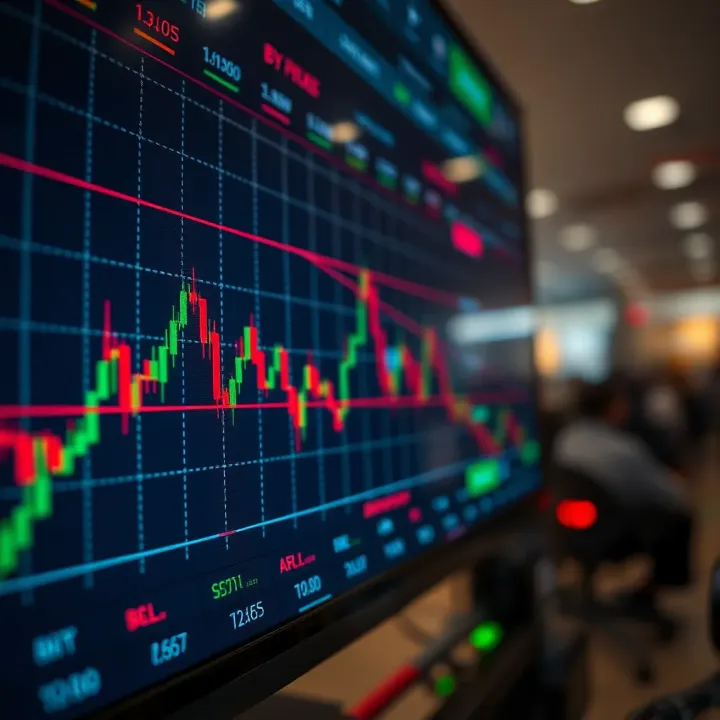
Learn forex trading in Pakistan with this practical guide 📊. Understand the market, tools, risk management, and tips tailored for Pakistani traders to trade confidently.
Based on 10 reviews