
Best Forex Trading Platforms in Pakistan
Looking for the best forex trading platform in Pakistan? Discover top features, security tips, and cost comparisons to match your trading style and needs! 💹🇵🇰
Edited By
Sophie Turner
Forex trading, or exchanging currencies for profit, has attracted many Pakistanis seeking financial growth beyond traditional investments. However, stepping into the forex market without a clear understanding can lead to costly mistakes. This guide aims to give you practical, no-nonsense advice to start learning forex trading effectively, tailored to Pakistan's market realities.
Learning forex begins with grasping the basic concept: currencies are traded in pairs, like USD/PKR or EUR/USD, and their values fluctuate due to economic events, political decisions, and market sentiment. For Pakistan-based traders, awareness of factors like SBP (State Bank of Pakistan) policies, foreign exchange reserves, and geopolitical developments is essential since they influence the PKR exchange rate and thus, trading opportunities.
Before risking real money, familiarise yourself with essential trading terms such as "pip" (the smallest price move), "leverage" (borrowed funds to increase trade size), and "spread" (difference between buying and selling price). Also, understanding order types like market orders, limit orders, and stop-loss can protect you from sudden market swings.
Besides theory, choosing the right tools is key. Platforms like MetaTrader 4 and MetaTrader 5 are popular worldwide and widely used by Pakistani brokers. They offer charts, indicators, and automated trading options. Opening a demo account with these platforms lets you practise trading without losing money. This is especially crucial for new traders to learn trade execution and test strategies in a risk-free environment.
Risk management is the backbone of survival in forex trading. Simple steps, such as only risking 1-2% of your capital on each trade and setting stop-loss orders, help protect your investments from unpredictable market moves. Pakistani investors often overlook this advice, leading to heavy losses.
Trading forex without a strategy or risk control is like sailing in rough seas without a compass — you might be lucky for a while, but eventually, you'll get lost.
Finally, keep track of local regulations. The Securities and Exchange Commission of Pakistan (SECP) and State Bank issue guidelines for forex activities, and working with authorised brokers reduces risks associated with scams or illegal operations.
In short, learning forex trading in Pakistan requires a foundation in market basics, practical use of the right tools, strong risk management, and staying informed about local financial policies. This approach will help you move from simply watching currency movements to making informed trading decisions confidently.
Learning forex trading starts with understanding the basics. This foundation is particularly important for Pakistani traders to navigate the unique challenges and opportunities of the forex market. Without clarity on how the forex market moves and what affects currency values, it's easy to make costly mistakes.
Forex trading involves buying one currency while simultaneously selling another. It happens in pairs, like USD/PKR or EUR/USD. The goal is to profit from changes in exchange rates between the two currencies. For example, if you buy USD/PKR at 285 and it rises to 290, you earn the difference multiplied by your trade size. Trades occur in a decentralised market open 24 hours on weekdays, which means you can trade at any time that suits you in Pakistan, especially during overlapping market hours.
Pakistani traders often focus on pairs involving the Pakistani Rupee (PKR), such as USD/PKR and EUR/PKR. However, major currency pairs like EUR/USD, GBP/USD, and USD/JPY are also popular due to their liquidity and predictable patterns. Market hours matter since forex operates globally across major financial centres like London, New York, and Tokyo.
In Pakistan, active trading hours typically fall between 3 pm and midnight Pakistan Standard Time (PKT), covering London and New York sessions. This timing allows traders to respond rapidly to economic news and events from Europe and the United States, which greatly influence currency fluctuations.
Familiarity with key terms saves time and confusion. Here are some essentials:
Pip: The smallest price movement in a forex pair, usually 0.0001 for most currencies.
Spread: The difference between the buying (bid) and selling (ask) price.
Leverage: Using borrowed funds to increase trade size, which amplifies both profits and risks.
Margin: The amount of money required to open a leveraged position.
Lot: Standard trade size; a standard lot equals 100,000 units of currency.
Understanding these terms helps you read charts and execute trades accurately, reducing errors.
To sum up, a strong grasp of forex basics helps you trade more confidently and avoid common pitfalls, especially in Pakistan's unique economic context where the PKR can be quite volatile. Starting with this knowledge sets you up to use strategies and tools more effectively as you progress.
Before diving into forex trading, setting up a solid foundation is vital, especially in Pakistan's unique market environment. This section focuses on choosing the right broker, platform, and account setup to ensure smooth and secure trading.
Pakistani traders have access to both local brokers and international ones. Local brokers often understand domestic market conditions better and may offer PKR account options or easier deposit/withdrawal channels. However, international brokers tend to provide more currency pairs, tighter spreads, and advanced platforms. For example, a trader starting with HBL Forex or MCB Forex might find convenient PKR funding, while IG Markets or FXTM add global exposure. Weighing these options and checking user reviews can help you pick the right fit.
Forex trading in Pakistan is not heavily regulated, making it essential to rely on brokers licensed in reputable financial jurisdictions like the UK’s FCA or Australia’s ASIC. Registered brokers are regularly audited, maintain client fund segregation, and offer compensation schemes. Using unregulated brokers risks fund safety and legal issues. Always verify broker credentials and look for two-factor authentication and SSL encryption on their platforms to protect your data and investments.
Metatrader 4 (MT4) remains a favourite due to its simplicity and robustness. Many brokers pair MT4 with their own apps tailored for Pakistani users, allowing trades on mobile in Urdu or simple English. More advanced traders might prefer MetaTrader 5 (MT5) or cTrader, offering enhanced charting and execution. Choosing a platform that works smoothly on low-bandwidth connections, which is common in many parts of Pakistan, improves trading efficiency.
Most brokers offer several account types: standard, mini, and ECN. Beginners benefit from mini accounts with low minimum deposits and flexible lot sizes, suitable for cautious trading. ECN accounts target experienced traders by offering direct market access but usually require higher capital. For instance, a Rs 10,000 mini account lets a new trader practice without heavy risk.
Funding your account in Pakistani Rupees makes transactions straightforward. Local brokers and some international ones accept bank transfers via HBL, UBL, or Standard Chartered Pakistan, plus easier mobile wallet options like JazzCash or Easypaisa. Withdrawals are usually quicker with local brokers. However, fees and processing times vary; always confirm these before starting.
Forex trading must align with Pakistan’s financial laws overseen by State Bank of Pakistan (SBP). You need a CNIC and may have to declare earnings for tax purposes with the Federal Board of Revenue (FBR). While offshore brokers might not directly report trades, staying compliant protects you legally and financially. Understanding anti-money laundering (AML) rules and Know Your Customer (KYC) checks ensures hassle-free account opening.
Setting up correctly with a reliable broker and platform, proper account type, and local payment methods protects you against common pitfalls and prepares you for real trading opportunities in Pakistan's forex scene.
For new traders in Pakistan, understanding effective forex trading strategies is vital to navigate market fluctuations confidently. These strategies help reduce guesswork, manage risks, and improve the chances of consistent profit by applying tried methods rather than relying on luck. Especially for beginners, focusing on a blend of technical and fundamental analysis while developing a personalised trading plan offers a balanced approach.
Price charts visually represent currency movements over time. For a beginner, spoting trends—whether upward, downward, or sideways—is key. For example, watching the PKR/USD chart trends during political announcements helps traders anticipate market reactions. Identifying support (price floors) and resistance (price ceilings) levels guides when to enter or exit trades, making it easier to time the market instead of trading blindly.
Indicators such as the Relative Strength Index (RSI) highlight if a currency pair is overbought or oversold, signalling potential reversals. Imagine the RSI showing a value above 70 for EUR/PKR; it suggests the pair might be due for a price correction. Moving averages smooth out price data to reveal overall direction. A simple moving average crossover, where a short-term average passes above a long-term one, often indicates buying opportunities. Combining these tools helps filter noise and confirm trading decisions with better clarity.
Economic indicators like inflation rates, GDP growth, or SBP (State Bank of Pakistan) announcements influence currency strengths. For example, if inflation rises sharply in Pakistan, the PKR might weaken against the dollar as purchasing power drops. Traders monitoring reports such as the Employment Rate or SBP’s monetary policy changes can anticipate shifts in currency value before markets fully react.
Global events like oil price changes, US Federal Reserve decisions, or geopolitical developments often cause rapid currency moves. Keeping an eye on news, especially related to Pakistan’s economy, trade balance, and political stability, is essential. For instance, decisions on CPEC projects or import/export restrictions frequently sway PKR value. Timely awareness enables Pakistani traders to avoid surprises and adjust their strategies accordingly.
A clear trading plan involves setting achievable targets based on one’s risk tolerance, capital, and time availability. For example, aiming for 5–10% monthly returns is more practical than unrealistic daily profits. Realistic goals keep traders focused, prevent overtrading, and build confidence gradually.
Balancing actual trading with continuous learning is crucial. Beginners should allocate specific hours for market analysis, education, and practice on demo accounts. For those managing jobs or studies alongside, trading during active market hours like London or New York sessions that overlap with Pakistani times (evening hours PKT) ensures better liquidity and price action. Structured time management helps avoid rash decisions caused by fatigue or distractions.
Start small, learn steadily, and stick to your plan. Forex trading in Pakistan requires patience, discipline, and practice to move from simple observation to confident execution.
In forex trading, managing risks is just as important as finding the right trading opportunities. Without proper risk management, even a few bad trades can wipe out your entire capital. Pakistani traders must be especially cautious, given the volatility of the rupee and regional economic factors. Protecting your capital allows you to stay active in the markets longer and build consistent profits over time.
Leverage lets you control a larger position with a smaller amount of money, which can amplify both profits and losses. For example, using 1:50 leverage means that with Rs 10,000 in your account, you can control Rs 500,000 worth of currency. This can be tempting but also risky if the market moves against you quickly. Margin is the collateral you must maintain to keep your leveraged positions open.
In Pakistan, many brokers offer high leverage levels, but beginners should keep it low — around 1:10 or 1:20 — until they gain experience. Using higher leverage without proper understanding can lead to margin calls and forced liquidation, especially during sudden rupee depreciation or geopolitical events affecting currency pairs.
Stop loss orders automatically close your trade at a set loss level to prevent bigger damage. Take profit orders lock in gains by closing your trade when the price reaches a target. Both these orders help in managing emotions and keeping your trading plan on track.
For instance, if you buy EUR/USD at 1.1000, you might set a stop loss at 1.0950 to limit losses to 50 pips and a take profit at 1.1100 to secure a potential 100 pips gain. This approach ensures you don’t make impulsive decisions after entering a trade, which can often happen during volatile times like after major announcements by the State Bank of Pakistan.
Many traders struggle with emotion-driven decisions like chasing losses or overtrading. Emotional discipline means sticking to your strategy even when faced with losses or tempting gains.
Common mistakes include increasing trade size after losses, ignoring stop losses, or trading without a clear plan. Pakistani traders new to forex often fall into these traps due to excitement or frustration. Keeping a trading journal helps track your actions and emotions, leading to better control.
Protecting your capital isn’t just about money management; it’s about the mindset. Being patient and disciplined ensures you survive the ups and downs and grow your trading account steadily.
In summary, understanding leverage and margin carefully, using stop loss and take profit orders, and maintaining emotional discipline form the backbone of managing risks in forex trading. This helps Pakistani traders safeguard their investments and build confidence in volatile markets.
Having the right resources and tools can make a big difference when you are starting forex trading in Pakistan. They help smooth the learning process, provide practical experience, and keep you updated with the latest market moves. Without these, diving into the forex world can get confusing and overwhelming quickly.
Several online platforms offer free and paid courses tailored to forex learners in Pakistan. Websites like Babypips provide strong foundational knowledge, breaking down complex topics into easy lessons. Locally, some Pakistani trading communities publish content focusing on PKR pairs, regulatory updates, and market trends relevant to our economy. Consider enrolling in courses from established platforms like Coursera or Udemy that cover technical analysis and fundamental forex concepts, and look for reviews from Pakistani traders to ensure regional relevance.
Demo trading accounts are crucial. They allow you to practise risk-free by simulating real market conditions with virtual money. Most brokers like FXTM, IG, and XM offer Pakistan-friendly demo accounts. These tools help you test strategies, understand order placements, and learn to manage your emotions when trading. Trying different approaches in demo mode builds confidence without risking your capital, which is especially important given the volatility in the forex market.
Mobile apps have made forex trading more accessible for Pakistani traders. MetaTrader 4 and MetaTrader 5 remain popular because they offer advanced charting tools, real-time quotes, and easy order execution. Other platforms like TradingView provide social trading features and technical indicators to aid decision-making. Make sure the app you choose supports PKR deposits and withdrawals smoothly, as this consideration saves you from hassle with currency conversion and transfer delays.
Using relevant, high-quality resources alongside practice tools and mobile apps can significantly improve your learning curve and trading outcomes in Pakistan's forex market.
Equip yourself with these resources, and your path to becoming a confident forex trader will feel much more manageable, efficient, and rewarding.
Looking for the best forex trading platform in Pakistan? Discover top features, security tips, and cost comparisons to match your trading style and needs! 💹🇵🇰
Looking for the best forex trading app in Pakistan? Discover top-rated platforms with reliable features, easy use, and secure trading options 📱💰
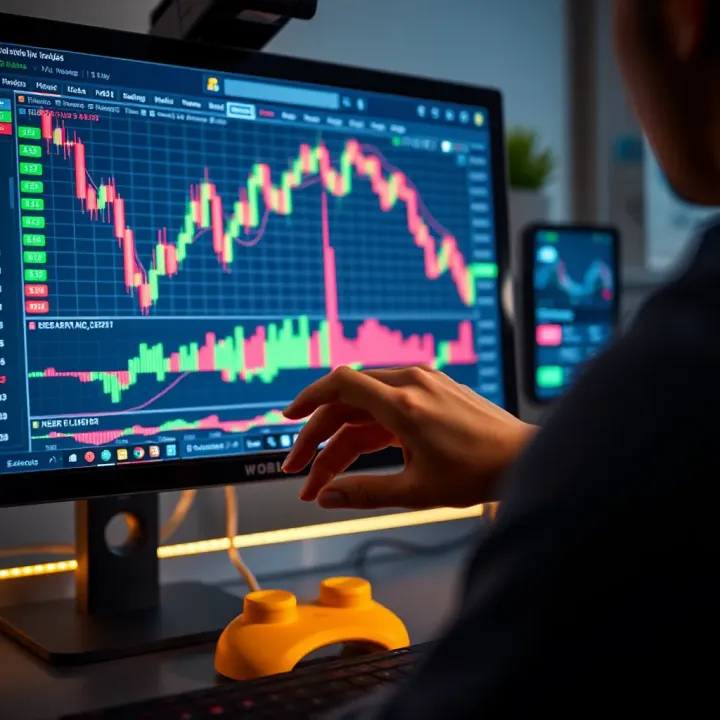
Looking to trade forex in Pakistan? 📉 Explore the top platforms with insights on features, security, and broker options for confident trading.
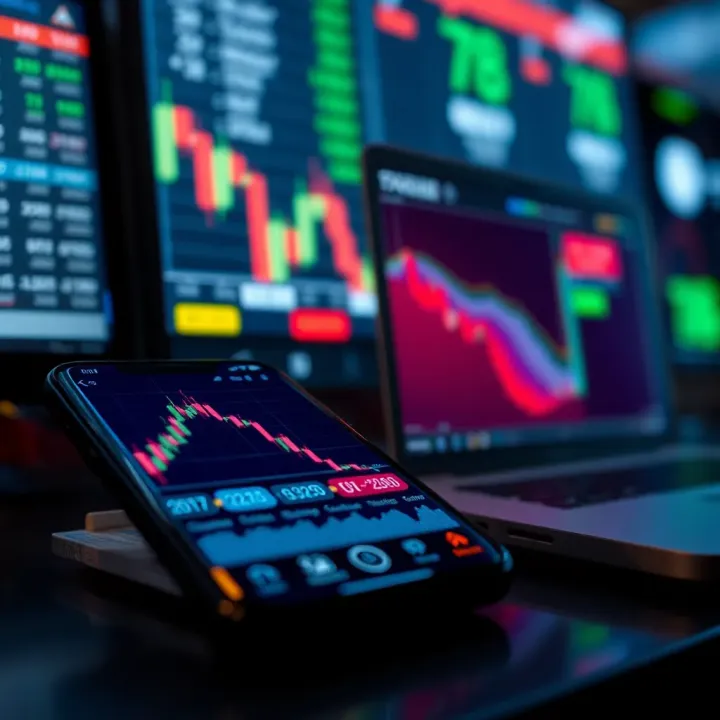
📱 Discover the top forex trading apps for traders in Pakistan! Learn key features, compare leading platforms, and start trading successfully on your mobile today.
Based on 9 reviews