
Forex Trading in Pakistan: A Complete Guide
📈 Learn forex trading in Pakistan with practical tips on strategies, risk management, and regulations. Navigate common challenges with confidence and care.
Edited By
Sophie Bennett
Forex trading involves exchanging one currency for another in a global marketplace. In Pakistan, it is gaining attention from traders, investors, and financial professionals who want to capitalise on currency price movements.
Understanding the basics is key before stepping into forex trading. The foreign exchange market operates 24/5, allowing continuous buying and selling of currency pairs like USD/PKR or EUR/PKR. These trades reflect the relative value between currencies, influenced by economic indicators, geopolitical events, and market sentiment.
Forex trading carries both opportunity and risk. Price can move swiftly, meaning profits and losses can be significant in a short time.
Traders typically use online platforms provided by brokers. These brokers connect Pakistani traders to the international forex market, often offering leverage. For instance, a trader may control Rs 1 lakh with just Rs 10,000 by using 10:1 leverage, amplifying gains or losses.
The State Bank of Pakistan (SBP) regulates currency exchange. Officially, forex trading through foreign brokers without SBP approval is considered illegal. Pakistani traders should use authorised brokers or platforms to avoid legal issues or losing funds.
Popular platforms accessible in Pakistan include MetaTrader 4 and MetaTrader 5, featuring real-time charts, technical indicators, and risk management tools. Trusted local brokers often offer educational resources and customer support tailored to Pakistani clients.
Currency markets are volatile. Unexpected news can cause rapid price swings. Additionally, leverage increases risk. Pakistani traders should use stop-loss orders to limit potential losses and never trade more than they can afford to lose.
Start with a demo account to practice without real money.
Study economic calendars to anticipate market-moving events.
Focus on major currency pairs like USD/PKR, which generally have better liquidity.
Keep emotions in check and stick to a trading plan.
By understanding these core elements, Pakistani traders can approach forex with greater confidence and informed caution.
Forex trading involves buying and selling currencies to profit from changes in their exchange rates. This market stands out because it operates globally, 24 hours a day, unlike stock markets closed on weekends. For people in Pakistan, understanding forex trading is especially useful for diversifying investment options and dealing with the fluctuating Pakistani rupee.
The term "forex" is shorthand for foreign exchange, referring to the trading of one currency against another. These currency pairs, like USD/PKR or EUR/USD, are the foundation of forex trading. Each pair shows how much of the second currency you need to buy one unit of the first. For example, if USD/PKR is 280, it means one US dollar equals 280 Pakistani rupees. This matters because traders bet on whether these rates will go up or down to make a profit.
Forex trading differs from other markets such as stocks or commodities mainly because of its huge size and continuous operation. The forex market is the largest financial market in the world with over $6 trillion traded daily, and it never sleeps, running through different time zones. Unlike stock markets, which close after trading hours, forex allows you to trade anytime, including after Pakistan’s local market hours.
The forex market works through a network of banks, brokers, and individual traders. Its operation spans major financial centres like London, New York, Tokyo, and Sydney, ensuring trading hours flow smoothly throughout the week. For a trader in Karachi, this means they could enter the market in the afternoon when London opens and follow it through till the New York session starts.
Brokers play an important role by providing access to this market. They connect individual traders to the broader forex system, offering platforms where traders can buy or sell currency pairs. Traders rely on brokers to execute orders quickly and offer tools like charts, indicators, and sometimes educational resources. Selecting a reliable broker is crucial, especially to handle deposits, withdrawals, and to avoid scams, which are common enough in Pakistan’s growing forex community.
Forex trading offers an opportunity for profit but also demands understanding of the market mechanics and risks involved, especially in a dynamic environment like Pakistan.
Forex trading involves currency pairs such as USD/PKR.
It operates 24/7 through global financial centres.
Brokers connect traders to the market.
Pakistani traders should be cautious and well-informed.
Understanding this overview sets the foundation for more detailed topics like regulation, platform selection, and risk management that follow in this article.
Forex trading has seen a notable rise in Pakistan, reflecting changing economic behaviours and increasing access to digital platforms. Understanding this landscape helps clarify why more Pakistanis are attracted to forex as an alternative investment avenue, despite the complexities involved.
The growing interest in forex trading stems mostly from the desire to earn through foreign currencies amid a challenging local economy. Many see forex as a way to potentially beat inflation and the fluctuating value of the rupee. Especially for younger investors, digital forex platforms offer a new frontier beyond traditional savings or stock markets. For instance, with frequent fluctuations in USD/PKR rates, traders hope to capitalise on short-term price movements.
Pakistani traders show a tendency to prefer platforms that support local payment methods like JazzCash or Easypaisa, making deposits and withdrawals easier. Moreover, many prefer brokers offering PKR accounts to avoid high conversion fees. Common trading habits include focusing on major currency pairs like USD/EUR or USD/PKR and using technical analysis tools. Weekend trading sessions or trading during global market overlaps are often taken advantage of for better liquidity.
Forex trading resides in a somewhat grey area under Pakistani law. While the State Bank of Pakistan (SBP) allows limited foreign exchange activities through authorised dealers, general forex trading via international brokers remains largely unregulated domestically. This legal ambiguity makes it a risky space for traders, but the flexibility also attracts many.
SBP plays a critical role in monitoring foreign currency flows and issuing guidelines for authorised forex activities, particularly focusing on anti-money laundering (AML) and currency control. The Securities and Exchange Commission of Pakistan (SECP) oversees securities markets but does not regulate most forex brokers catering to Pakistani clients, especially if headquartered abroad.
This regulatory gap leads to legal risks. Traders may face enforcement actions if involved with unregulated brokers. Reports have surfaced about scams where traders lose money due to broker malpractice or Ponzi schemes disguised as forex investments. Hence, verifyingbroker credentials and staying updated on SBP circulars is essential. > Always choose brokers compliant with international regulatory standards and avoid those promising unrealistic returns.
Navigating this evolving landscape requires caution. While forex trading offers opportunities to Pakistanis willing to work in volatile markets, understanding local laws and broker legitimacy remains critical to protect investments and avoid legal hurdles.
Selecting the right forex trading platform is key for anyone serious about trading forex in Pakistan. The choice affects your trading costs, access to markets, and even how safely your funds are handled. Given the regulatory and practical issues local traders often face, understanding what to look for can save both time and money.
A crucial step in broker selection is confirming their regulatory status. Traders in Pakistan should prefer brokers licensed by reputed international authorities like the FCA (UK), ASIC (Australia), or CySEC (Cyprus). This provides a layer of safety and accountability. The State Bank of Pakistan (SBP) does not regulate forex brokers directly, so relying on foreign regulatory oversight reduces the risk of fraud.
Always verify a broker’s licence through the official regulator’s website. Licensed brokers must adhere to strict capital requirements and fair trading practices, protecting your investment from malpractice.
Low trading costs directly improve profitability, so compare various brokers’ spreads (the difference between buy and sell prices), commissions, and other fees. Some brokers offer fixed spreads, while others have variable spreads that widen during volatile market conditions—this can unexpectedly increase your costs.
Watch out for hidden charges such as withdrawal fees or inactivity penalties, which are common among less transparent brokers. For example, a broker might offer near-zero commissions but compensate with much wider spreads, which can eat into your earnings.
Effective customer support is vital, especially for beginners. Look for brokers with readily available support via phone, email, and live chat. Support in Urdu or English helps communicate complex trading issues smoothly.
Educational materials like webinars, tutorials, and market analysis empower traders to make better decisions. Platforms that provide these not only make trading easier but increase your chances of success, especially in Pakistan where professional guidance is limited.
Pakistani traders most often use international brokers such as XM, FXTM, and HotForex. These brokers accept Pakistani clients, offer robust trading platforms like MetaTrader 4 and 5, and support a wide range of currency pairs.
Access to reliable international brokers means you can trade major and exotic pairs with competitive conditions. They also tend to provide better security for funds compared to unregulated local providers.
For convenience, platforms that support deposit and withdrawal in Pakistani Rupees (PKR) or methods like JazzCash and Easypaisa are preferred. Brokers offering PKR accounts save you from double currency conversions, thereby reducing extra costs.
Additionally, brokers integrating local payment gateways accelerate fund transfers and minimise delays, crucial for timely trades. For instance, some international brokers now accept bank transfers from Pakistani banks along with mobile wallets, making the process smoother for local traders.
Choosing your forex trading platform carefully is not just about costs or features. It’s about ensuring a secure, trustworthy, and practical trading experience tailored to Pakistan’s unique financial landscape.
Forex trading offers tempting opportunities, but understanding its risks is essential to avoid serious losses. Pakistani traders must recognise these challenges before investing their hard-earned money. This section explains key financial risks and common scams, equipping you with practical knowledge to trade wisely.
Leverage lets traders control a large position with a small deposit, magnifying gains and losses. For example, with 1:100 leverage, Rs 10,000 can control a Rs 1,000,000 trade. This high leverage is risky because a slight price movement can wipe out your deposit.
If the market moves against you, brokers issue a margin call, asking for more funds to keep positions open. Pakistani traders who ignore margin calls risk forced closure of trades at a loss. This happened to many during the rupee’s volatile shifts post-2022, when sudden swings exhausted margin quickly.
Always use leverage cautiously and never risk money you cannot afford to lose.
Forex markets react instantly to global events, central bank announcements, or economic data. Sudden price swings can occur within seconds, causing unexpected losses.
For instance, during geopolitical tensions affecting oil prices, the PKR can face sharp drops against the US dollar. Such volatility can trigger stop-loss orders or margin calls for unprepared traders. Hence, monitoring economic calendars and news is vital.
Volatility also creates opportunities, but without disciplined risk management, it becomes dangerous.
Many scams lure traders with promises of quick riches or guaranteed returns. Ponzi schemes disguised as forex investments have trapped people in Pakistan, especially on social media platforms.
Fake brokers often offer huge bonuses or pressure urgent deposits, then disappear with funds. Others manipulate trading software to show false profits.
These scams ruin lives and damage trust in legitimate forex trading.
Watch out for brokers without proper licences from reputable authorities like the Financial Conduct Authority (FCA) or the Australian Securities and Investments Commission (ASIC). Many illegitimate operators lack any official registration.
Evaluate broker transparency: check if they list physical offices, offer clear terms, and provide efficient customer support. Avoid brokers who push you for large upfront payments or use aggressive marketing.
Using demo accounts to test platforms can help spot inconsistencies before risking real money.
Staying alert to financial risks and scams is half the battle in forex trading. Combining awareness with disciplined strategies improves your chances of success and shields you from common pitfalls.
Starting forex trading in Pakistan requires a clear understanding of the opening account process, funding methods, and basic trading strategies. This step is crucial since it sets the foundation for responsible and informed trading, helping you avoid common mistakes and protect your investment.
Pakistani traders need to submit specific documents to open a forex trading account, primarily their Computerised National Identity Card (CNIC). This ensures compliance with legal requirements and helps brokers verify your identity accurately. Besides CNIC, some brokers may ask for proof of address or a recent utility bill to confirm residence.
The account opening process usually begins online, where you fill out personal details and upload the required documents. Verification typically takes a few days; once approved, you can start trading. Pakistani traders should ensure the broker accepts clients from Pakistan and offers secure methods for document submission to avoid delays or issues.
For funding accounts, popular local payment methods include JazzCash, Easypaisa, and traditional bank transfers. These options are convenient and widely accessible across Pakistan. Using such platforms often reduces transaction fees and speeds up fund transfers compared to international wire transfers.
Currency conversion also matters since forex accounts might operate predominantly in US dollars or euros. When depositing rupees (PKR), consider the exchange rates and any additional charges your broker or payment provider may apply. Planning ahead helps you avoid surprise losses due to unfavourable conversions.
Before risking real money, practising on demo accounts is essential. Demo platforms mimic real market conditions but use virtual funds, allowing you to test strategies and understand trading mechanics without financial pressure. This preparation builds confidence and highlights errors early.
Two common beginner strategies are trend following, where traders buy when prices rise consistently, and range trading, which involves buying at price lows and selling near highs within a set range. Both approaches suit varying market conditions and can be adapted as you gain experience.
Starting smart with careful account setup, secure funding, and practice prepares you for sustained success in forex trading.
This practical approach ensures Pakistani traders enter the market with accurate knowledge, reducing risks while maximising potential gains.
📈 Learn forex trading in Pakistan with practical tips on strategies, risk management, and regulations. Navigate common challenges with confidence and care.
Securely access your forex trading account in Pakistan with reliable login steps. Learn platform options, avoid common issues, and protect your info 🔒💹
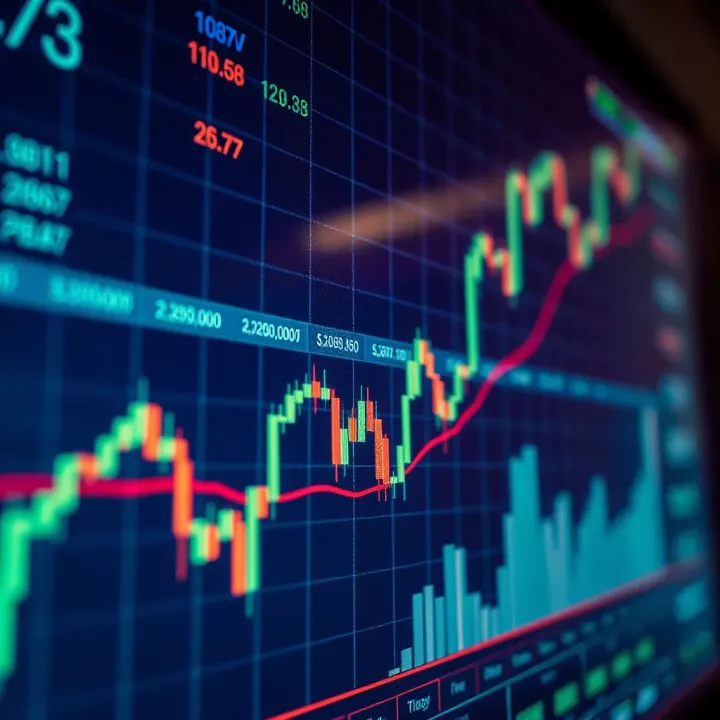
Learn forex trading in Pakistan 🇵🇰 with clear steps, local rules, safe tips, and best platforms. Understand market basics and risks to trade confidently.
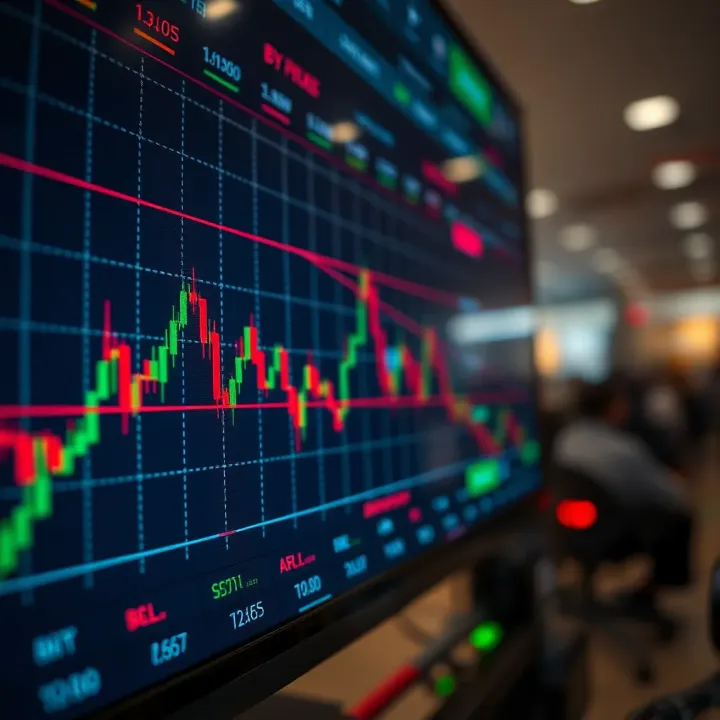
Learn forex trading in Pakistan with this practical guide 📊. Understand the market, tools, risk management, and tips tailored for Pakistani traders to trade confidently.
Based on 7 reviews