
Understanding Non-Binary Identity in Pakistan
Explore the meaning of non-binary identity, common terms, history, social challenges, and its expression within Pakistan's cultural fabric 🌈 to understand gender diversity.
Edited By
Henry Phillips
Non-binary women occupy a unique space in the conversation about gender identity. Unlike the traditional binary of male and female, non-binary individuals don't exclusively identify as either. For a non-binary woman, this means their identity blends elements commonly associated with womanhood but doesn't fit neatly within conventional gender categories.
In Pakistan, where gender roles are often strictly defined, understanding non-binary women requires careful attention to both identity and social context. These individuals may present themselves in ways that challenge expectations, adopting personal styles and expressions that don't conform to typical male or female norms. For example, a non-binary woman might prefer pronouns like "they/them" or combine pronouns, reflecting their fluid identity.
It's important to note that non-binary gender identities are not new but often overlooked in mainstream discourse. Many South Asian cultures historically recognised various gender expressions beyond the binary, such as hijras. However, non-binary as a distinct identity carries specific meanings related to personal experience and self-understanding.
Recognising non-binary women helps broaden the conversation around gender, creating space for more inclusive policies and social acceptance.
Non-binary vs. transgender: While transgender refers to a gender different from the sex assigned at birth, non-binary describes identities outside or between male and female.
Non-binary woman: Someone who identifies with womanhood in a non-exclusive way, possibly combining male, female, or other gender traits.
Pronouns and language: Non-binary people often prefer gender-neutral pronouns, which may raise challenges in Pakistani linguistic and social settings.
In social and legal terms, Pakistan currently lacks widespread recognition of non-binary identities. This causes practical difficulties such as in CNIC registration or workplace policies. Yet, awareness is growing, especially among younger generations and urban centres.
Understanding non-binary women matters for traders, investors, and financial professionals too. Companies and markets that embrace diverse gender identities demonstrate progressive values, which can influence branding, customer loyalty, and workforce dynamics. For investors, recognising social trends around gender inclusivity can inform better decision-making in Pakistani and global markets.
In summary, appreciating the identity of a non-binary woman involves seeing beyond traditional categories and acknowledging the evolving nature of gender in Pakistan. This foundation supports deeper conversations about related cultural challenges and legal realities.
Clarifying the term "non-binary woman" is essential to navigate Pakistan’s traditional gender concepts with more accuracy and respect. Defining this identity helps dismantle binary thinking that limits gender to just male or female, offering space for varied expressions. For traders, investors, and analysts interested in social trends, recognising diverse gender identities enables better understanding of evolving consumer behaviour and social dynamics influencing markets.
Gender is no longer seen as strictly male or female. Instead, it operates on a spectrum where identities go beyond the two traditional categories. This shift reflects in changing social norms and legal recognitions around the world, including here in Pakistan. For example, some individuals may feel that neither “man” nor “woman” fully describes their gender experience. Appreciating this helps businesses and communities avoid narrow assumptions affecting hiring practices, marketing, or product design.
Within the non-binary umbrella, identities can include genderqueer, genderfluid, agender, and others, each with distinct meanings. Someone genderfluid, for example, might feel more feminine some days and more masculine on others. Understanding this varied terminology ensures conversations respect individual's experiences. In practical terms, recognising these identities can help build inclusive workplace policies or customer service approaches that resonate better with diverse audiences.
A non-binary woman identifies with womanhood but does not fully align with traditional female gender categories. Her expression can combine traits society often labels male or female, or may challenge those gendered markers entirely. For instance, she might choose clothing or pronouns that blend masculine and feminine styles, or reject traditional gender roles altogether. This personal identification is crucial for genuine self-expression, which many find empowering.
Cisgender women identify with the gender assigned at birth, while transgender women identify with a gender different from their birth sex, usually transitioning from male to female. A non-binary woman, though she may use "woman" to describe herself, does not exclusively identify as female and can reject rigid gender categories. This difference is important, especially in societies like Pakistan where gender roles have strong cultural definitions. Recognising these distinctions helps avoid misunderstandings and supports respectful interaction.
Understanding these nuances is no longer an academic exercise but a practical necessity in Pakistan’s changing social and professional landscape.
Keywords: non-binary woman, gender spectrum, gender identity, gender expression, Pakistan gender roles, non-binary terminology, inclusive workplace, gender diversity
In Pakistan, traditional gender roles remain deeply rooted across most communities. Men are generally expected to be the primary breadwinners, responsible for providing economic support and making major family decisions. Women often manage domestic duties, including raising children and maintaining household affairs. These established expectations shape daily life and social interaction, influencing how individuals express their gender.
These culturally ingrained roles affect more than just family dynamics; they set the norms for what is considered acceptable behaviour and appearance for men and women. For example, Pakistani society often views masculinity as linked to strength and authority, while femininity is associated with modesty and caregiving. Such perceptions leave little room for identities that do not fit neatly into the male-female categories.
Cultural expectations in Pakistan strongly influence how people understand and experience their own gender. Those who identify outside traditional roles—such as non-binary individuals, including non-binary women—face pressure to conform or remain invisible. These expectations can make it difficult for non-binary women to express their gender openly without fear of judgement or exclusion.
In many cases, family honour and societal approval are closely linked to adherence to gender norms. This creates significant challenges for non-binary women seeking acceptance, as deviation may be seen as shameful or confusing. The tension between personal identity and cultural conformity impacts mental health and social relationships in Pakistani society.
Non-binary individuals in Pakistan often encounter social stigma rooted in misunderstanding and rigid gender norms. This stigma can manifest as exclusion from family gatherings, harassment in public spaces, or barriers in educational and workplace settings. For instance, a non-binary woman may struggle to find appropriate clothing or use pronouns that align with their identity, leading to recurrent misgendering.
These experiences not only isolate non-binary individuals but also limit economic opportunities and social mobility. Many feel forced to hide their true selves, which takes a toll on confidence and well-being.
Awareness of non-binary identities remains low in Pakistan, both among the general public and within government institutions. This lack of representation means that non-binary women often lack visible role models or supportive community structures. Media outlets typically portray gender in binary terms, ignoring the diversity of experiences.
Without adequate representation, policy approaches around gender remain incomplete, leaving non-binary people without legal recognition or protection. This situation hampers advocacy efforts and delays progress toward greater inclusion in Pakistani society.
Understanding these social and cultural factors is essential to support non-binary women in Pakistan. It highlights the urgent need for increased awareness, respectful dialogue, and inclusive policies that recognise gender diversity beyond the traditional binary framework.
Key cultural points:
Traditional roles strongly shape expectations for men and women
Family honour often revolves around conformity to gender norms
Challenges for non-binary individuals:
Facing social stigma and discrimination affects daily life
Low awareness limits representation and legal protections
This section sets the stage for exploring personal experiences, legal recognition, and steps toward creating a more inclusive environment for non-binary women in Pakistan.
Exploring the personal experiences of non-binary women reveals the real-life complexities behind their identity. This aspect is essential to understand how these individuals navigate Pakistani society, where gender roles are traditionally rigid. Their daily life involves practical decisions that affect how they present themselves, interact with others, and cope with societal reactions.
Non-binary women often use clothing and appearance to reflect their gender identity, blending elements traditionally seen as masculine and feminine. For instance, someone might pair a kurta with accessories like bangles or nail polish, signalling their unique gender expression. Pronouns also play a crucial role; many non-binary women prefer pronouns such as ‘they/them’ or ‘she/they’ to reflect their identity accurately. Behavioural cues, like choosing to walk, speak, or engage socially in ways that feel authentic, further express their identity outside binary expectations.
This flexibility in expression provides a practical means for non-binary women to assert themselves in daily life—whether at work, home, or public spaces—though it can also invite curiosity or confusion from those unaccustomed to such identities.
Misunderstanding or misgendering happens frequently and can affect non-binary women deeply. This might occur when colleagues, family, or strangers use incorrect pronouns or assume traditional gender roles. For example, a non-binary woman working in a bank might be repeatedly addressed with male pronouns despite clarifying their identity.
Such experiences often cause stress and fatigue, but many non-binary women develop coping strategies, such as educating others gently or choosing to avoid certain settings altogether. These challenges highlight the importance of awareness and respect in social interactions.
Acceptance significantly impacts the mental health of non-binary women. Having even a small circle of friends, family, or community groups that understand and affirm their identity can reduce feelings of isolation. For example, community centres in Karachi or Lahore that hold regular gatherings provide safe spaces for sharing experiences and support.
This sense of belonging encourages resilience and improves well-being, showing that emotional support outside formal systems plays a vital role.
Access to mental health services remains limited for non-binary individuals in Pakistan. Though some psychiatrists and counsellors are becoming more sensitised to gender diversity, many still lack adequate training. Moreover, stigma around mental health and gender non-conformity discourages many from seeking help.
Users often rely on online communities or informal peer support rather than professional services. Improving specialised mental health resources in urban centres, along with public education campaigns, could greatly benefit this vulnerable group.
Understanding personal experiences of non-binary women helps dismantle stereotypes and informs practical support mechanisms. Their stories reveal everyday realities that shape identity, resilience, and community within the Pakistani context.
Legal recognition and protection for non-binary women in Pakistan are more than symbolic; they affect day-to-day access to rights such as healthcare, employment, and legal documentation. Without official acknowledgment, non-binary individuals often face barriers to education, work, and personal safety. This section outlines the current legal stance and ongoing efforts towards inclusivity.
Pakistan has made progress in recognising transgender individuals, mainly since the passing of the Transgender Persons (Protection of Rights) Act in 2018. This law allows transgender people to self-identify their gender in official documents like CNICs (Computerised National Identity Cards). It provides legal safeguards against discrimination in education, jobs, and public services, an important step for a group traditionally excluded from formal sectors.
However, the legal recognition primarily focuses on binary transgender identities—trans men and trans women—without explicitly covering non-binary or genderqueer individuals. Despite this, transgender rights activists have used this legal framework as a platform to push for broader gender diversity recognition in Pakistan.
Non-binary identities remain largely unrecognised in Pakistan’s legal system. The CNIC system still requires selecting from male or female options, leaving non-binary people without a formal gender category. This lack creates practical difficulties, such as issues opening bank accounts, registering for exams, or accessing gender-specific healthcare.
Without legal recognition, non-binary women may face additional risks of discrimination or invisibility in legal, financial, and social contexts. Their challenges intensify during matters of inheritance, marriage rights, or when interacting with police and other authorities, as the legal infrastructure does not accommodate genders outside the male-female binary.
Advocacy groups in Pakistan are increasingly demanding legal reforms to include non-binary genders within identity documentation and civil rights protections. These campaigns focus on expanding the gender options beyond male and female, calling for a third gender or a variable category that reflects diverse gender identities.
Policy proposals remain in early stages but rallying public attention through social media and community engagement is changing perceptions. For instance, activists have recommended updating the National Database and Registration Authority’s (NADRA) policies to allow an “X” or “non-binary” option on CNICs, a step that would reduce exclusion and ease bureaucratic hurdles.
Civil society groups and human rights organisations play a critical role in pushing for inclusivity in Pakistan. They provide legal aid, raise awareness, and document discrimination against non-binary individuals, bringing these issues to national and international forums.
These organisations also work with government agencies to design inclusive policies and train officials on gender diversity. Such efforts aim to build a more sensitive public system that respects the rights of all gender identities, including non-binary women.
Legal recognition for non-binary women not only affirms their identity but removes practical obstacles, empowering them to participate fully in society.
By systematically reforming laws, raising awareness, and fostering cooperation with authorities, Pakistan can better support its non-binary community and promote equality beyond traditional gender limits.
Creating awareness and respect for non-binary women matters because it challenges rigid gender norms deeply rooted in Pakistani society. When individuals understand diverse gender identities, it helps reduce prejudice and exclusion. This benefits not only non-binary women but society at large by promoting inclusion and empathy, which are essential for peaceful coexistence and social progress.
Raising awareness in schools and workplaces is a practical starting point. In Pakistan, schools often promote traditional gender roles without room for other identities. Introducing conversations about gender diversity—even basic ones—can create a more accepting environment for non-binary students and staff. For example, including stories or discussions about gender beyond male and female in textbooks or school assemblies helps children grasp that identity isn't one-size-fits-all. Similarly, workplace training on gender respect and proper use of pronouns boosts confidence among non-binary employees and improves overall morale.
Encouraging respectful conversations on gender diversity is equally crucial. In many Pakistani families and communities, gender is linked strongly to cultural expectations. Having open, respectful talks about what it means to be non-binary can break down misunderstandings. For instance, community centres or local youth groups that hold sessions on gender inclusivity provide safe spaces for questions and dialogue. This promotes acceptance by allowing people to become familiar with gender diversity through everyday language and stories, not just abstract concepts.
Creating safe spaces and inclusive environments gives non-binary women a chance to express themselves without fear. In urban centres like Karachi or Lahore, NGOs and youth clubs offering counselling or social meet-ups provide crucial support. Schools and workplaces can help by adopting gender-neutral facilities and dress codes, which remove unnecessary pressure on non-binary people to fit strict gender categories.
Encouraging allyship within families and communities remains vital in Pakistan’s collective culture. Families that stand by non-binary members reduce the mental stress of isolation. For example, a community elder advocating for respect towards a non-binary relative can change local attitudes dramatically. Training community leaders or religious teachers on gender sensitivity can also foster broader acceptance. Support from close ones is often the most powerful factor helping non-binary women lead dignified, confident lives.
Respect and understanding of non-binary women enrich social fabric by making space for everyone’s identity to thrive—promoting fairness, mental well-being, and peaceful coexistence in Pakistani society.
Explore the meaning of non-binary identity, common terms, history, social challenges, and its expression within Pakistan's cultural fabric 🌈 to understand gender diversity.
Explore non-binary gender in Pakistan 🇵🇰, including identities, cultural views, legal hurdles, and ways to support inclusivity in society with respect and awareness.
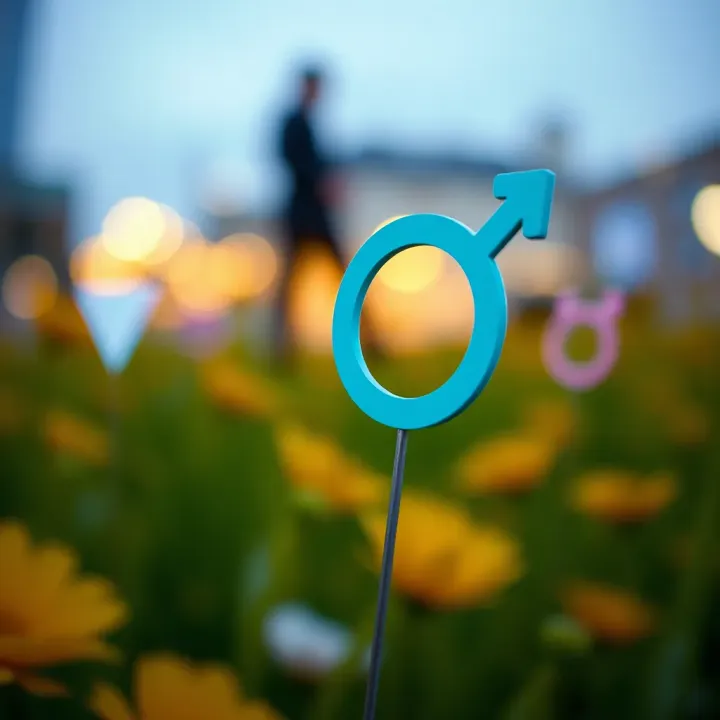
🌈 Learn about non-binary identity beyond traditional gender roles, common misconceptions, social challenges, and how to respect this identity in Pakistan's cultural context.
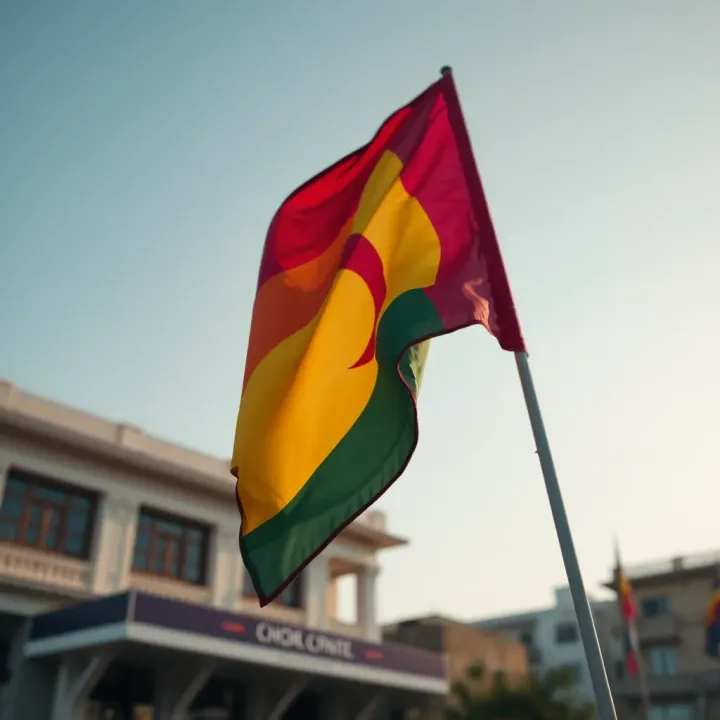
Explore non-binary identities 🏳️🌈 in Pakistan and beyond. Understand social, cultural, and legal challenges faced, plus the need for respect and recognition.
Based on 5 reviews