
Forex Trading: Halal or Haram in Urdu Viewpoint
Explore forex trading's halal or haram status from an Urdu perspective 📈. Understand Islamic finance rules, scholar views & tips for Pakistani traders.
Edited By
George Mitchell
Cryptocurrency trading has caught the attention of many Pakistani investors, especially younger traders eager to explore new financial avenues. However, the question arises: is trading in crypto halal (permissible) or haram (forbidden) under Islamic law? This is not a simple yes or no issue; it depends on how cryptocurrencies and their trading align with Islamic finance principles.
Cryptocurrencies like Bitcoin and Ethereum do not fit the traditional idea of money because they lack physical backing and central authority. Still, many scholars now view them as digital assets or commodities. The core Islamic concerns about crypto trading revolve around uncertainty (gharar), gambling (maysir), and interest (riba), which are prohibited in Islam.
Scholars differ in their opinions. Some argue that speculative trading resembles gambling due to rapid price changes and high risk, so it is haram. Others say if the trading involves genuine ownership, clear terms, and no excessive risk or deception, it could be considered halal.
For Pakistani investors, practical matters like transparency of the crypto platform, compliance with local regulations (such as those by the State Bank of Pakistan or Securities and Exchange Commission of Pakistan), and avoiding fraud are essential. Since crypto markets remain largely unregulated in Pakistan, investors must exercise extra caution.
Islamic finance emphasises fairness, certainty, and ethical dealings. If crypto trading respects these values, it might align with halal principles.
Some practical tips for Pakistani Muslim investors:
Understand how the specific cryptocurrency works before investing.
Avoid highly speculative practices such as margin trading or leveraged bets.
Use reputable platforms that provide clear terms and safeguards.
Consult with a qualified Islamic scholar for personalised guidance.
This article will explore these aspects more deeply, aiming to clarify common doubts and assist Pakistani Muslim investors in making informed, faith-aligned decisions in the crypto space.
Before judging crypto trading from an Islamic perspective, it's essential to first understand what cryptocurrencies are and how trading them actually works. This knowledge lays the groundwork for assessing whether such activity complies with Islamic financial principles. For Pakistani investors, grasping these basics helps navigate the fast-changing digital asset landscape with informed caution.
Cryptocurrency is a type of digital money that operates without a central authority like a bank. It uses blockchain technology, which is a secure, decentralised ledger maintaining all transactions. This key feature ensures transparency and reduces the risk of fraud, making cryptocurrencies different from traditional currencies regulated by governments or banks.
Popular cryptocurrencies in Pakistan include Bitcoin (BTC), which many consider "digital gold", and Ethereum (ETH), known for enabling smart contracts. Aside from those, stablecoins like Tether (USDT) are also popular because their value is pegged to a real-world currency, offering some price stability amidst market swings.
Unlike traditional money issued by the State Bank of Pakistan, cryptocurrencies aren't physical and aren't backed by any government. They exist purely online and can be transferred globally without banks or intermediaries. This distinction matters because cryptocurrencies challenge conventional money concepts and raise unique questions in Islamic finance.
Crypto trading often happens through spot trading, futures contracts, or margin trading. Spot trading means buying or selling actual coins immediately at current market prices. Futures trading involves contracts to buy or sell cryptocurrencies at a future date, which can be used for speculation or hedging. Margin trading lets investors borrow funds to increase their buying power—but comes with higher risk and may involve paying interest, a red flag in Islamic finance.
In Pakistan, platforms like Binance, LocalBitcoins, and Binance P2P are widely used by investors to buy and sell cryptocurrencies. However, regulators have not fully cleared crypto trading, so users must choose platforms carefully, watch for scams, and follow any legal guidelines.
Investing in cryptocurrencies is risky due to high volatility—prices can swing by 10-20% in a single day. This unpredictability can lead to fast profits but also big losses. Moreover, unregulated markets sometimes face fraud and price manipulation. Understanding these risks helps Pakistani investors make cautious decisions aligned with both financial and religious considerations.
Knowing the nature of cryptocurrencies and how trading works helps Muslim investors evaluate whether their activities comply with Islamic law, especially regarding concerns like uncertainty (gharar) and gambling (maysir).
Islamic finance operates under clear principles that define what is permissible (halal) and what is forbidden (haram). These principles matter a lot when assessing activities like cryptocurrency trading, especially in Pakistan where investors want to align with their faith. The core ideas revolve around fairness, transparency, and avoiding harm or injustice in transactions.
Riba, or interest, is strictly forbidden in Islamic law because it is viewed as exploitative and unfair. Practically, this means Muslims cannot earn profit simply by lending money with guaranteed interest. Instead, profits should arise from trade or genuine investment risk. For Pakistani investors, this raises questions about crypto products that charge interest or use leveraged trading involving interest payments. Such activities would typically be considered haram.
Gharar refers to excessive uncertainty or ambiguity in contracts and transactions. Islamic law discourages deals where key terms or risks are unclear, to prevent disputes and injustice. In crypto trading, high price volatility and poorly understood products can create gharar, making it harder to establish whether trading activities comply with Islamic rules. Pakistani traders need to be cautious of platforms or contracts that lack transparency.
Maysir means gambling or games of chance, which Islam strictly prohibits to avoid unjust enrichment and social harm. Trading strategies focused purely on speculation or betting on price movements without underlying economic value resemble gambling and are considered haram. For local investors, this means frequent day-trading or using high-risk derivatives without sound analysis can conflict with Islamic ethics.
Islamic finance offers workable models to conduct business without riba, gharar, or maysir. Contracts like mudarabah (profit-sharing), musharakah (joint venture), and murabaha (cost-plus sale) help ensure fairness and risk-sharing. These frameworks guide financial products that comply with Shariah. Pakistani banks and financial institutions increasingly offer Shariah-compliant services reflecting these models.
Digital assets like cryptocurrencies pose challenges because their volatile nature often involves gharar and speculation. Unlike traditional assets under Islamic finance, cryptos usually lack regulatory oversight, making transparency and valuation difficult. Moreover, some crypto platforms include interest-based features or incentivise risky trading, which complicate their halal status. Pakistani investors should evaluate crypto offerings against these principles carefully.
Clear understanding of Islamic finance rules helps investors avoid practices considered unjust or harmful, which often come hidden in modern, complex financial products.
In summary, Islamic principles insist on fairness, certainty, and ethical trading practices. These guide how Muslim investors in Pakistan should assess cryptocurrencies and their trading methods to remain within halal boundaries.
Scholarly opinions help Muslim investors navigate the complex question of whether crypto trading fits within Islamic finance principles. These views shape practical decisions, balancing religious guidelines with the realities of modern markets. For Pakistani traders, knowing these opinions helps avoid doubts and aligns investments with faith.
Many scholars consider cryptocurrencies like Bitcoin and Ethereum as valid forms of digital asset or currency. Unlike speculative tokens with no purpose, these cryptocurrencies function as mediums of exchange or stores of value, similar to foreign currencies. This legitimises them for trade under some Islamic jurisprudence, as trading recognised currencies is permissible. The acceptance by some Pakistani exchanges and merchants lends practicality to this view.
Blockchain technology ensures transparency by publicly recording transactions, reducing chances of deceit. Decentralised systems mean there's no single authority manipulating the currency unfairly. This openness aligns with the Islamic value of clear, honest transactions free from fraud. Pakistani traders find this reassuring as it reduces the risk of hidden manipulations common in conventional finance.
Crypto trading can be structured to avoid riba (interest) and maysir (gambling), two prohibitions central to Islamic finance. Spot trading without leverage means buying and selling crypto assets directly, with ownership transferring immediately, which is usually halal. This permits Muslims in Pakistan to participate without conflicting with faith, provided they avoid margin trades or derivative contracts involving excessive risk or uncertainty.
The wild price swings in cryptocurrencies often resemble gambling, which Islam forbids. Many scholars worry that short-term speculative trading relies on chance rather than productive investment, leading to addiction and loss. Pakistani traders should note that speculative behaviour might invalidate the halal nature even if the asset itself is permissible.
Crypto markets remain largely unregulated in Pakistan, increasing the risk of fraud, scams, and market manipulation. Such insecurity conflicts with the Islamic duty to avoid harm (darar). Without strong legal protections, many scholars discourage engagement, cautioning that investing in risky environments undermines ethical financial conduct.
Unlike physical commodities or fiat money backed by states, cryptocurrencies may lack intrinsic value or recognisable backing, raising concerns about gharar (excessive uncertainty). Scholars argue that trading such ambiguous assets risks invalid contracts. Pakistani investors should consider this carefully, as price volatility reflects this underlying uncertainty.
Institutions such as Darul Uloom Karachi and Wifaq ul Madaris have issued cautious statements. Some avoid declaring crypto outright haram but warn against unverified investments and speculative activities. This balanced stance helps Pakistani Muslims approach crypto trading conservatively, prioritising due diligence.
Pakistan’s economic instability and limited financial literacy add layers to the debate. Scholars consider that in a context where many rely on informal markets, crypto’s volatility might harm vulnerable investors. This local setting shapes calls for stricter guidelines to protect the public, reflecting practical realities beyond theory.
Some Pakistani muftis have issued fatwas either permitting spot crypto trading or cautioning against futures and margin trading. These rulings tend to highlight avoiding interest, gambling, and excessive uncertainty. Pakistani crypto traders benefit from consulting such fatwas to align their activities with Islamic law and avoid doubtful areas.
Understanding these diverse opinions prepares investors to make informed, faith-aligned decisions in Pakistan’s evolving crypto landscape.
Focus on trading recognised cryptocurrencies on local platforms
Avoid speculative or leveraged products
Follow guidance from trusted Islamic scholars
This approach balances emerging opportunities with religious and practical concerns.
Muslim traders in Pakistan must approach cryptocurrency with care to ensure their activities align with Islamic finance principles and local regulations. Understanding how to trade ethically, avoid prohibited practices, and navigate legal challenges is central to making informed decisions.
Choosing ethical trading strategies means selecting approaches that avoid deceit, excessive risk, and harm to others. For instance, sticking to spot trading where you buy and sell actual cryptocurrencies is generally more acceptable than engaging in highly speculative futures or margin trading, which can resemble gambling and speculation—both discouraged in Islam. Ethical trading respects transparency and honesty, so avoiding schemes promising guaranteed returns is crucial.
Avoiding interest-based leverage is another important step. Leveraged trading often involves borrowing funds and paying interest (riba), clearly prohibited in Islamic finance. Traders should refrain from using margin accounts that charge interest or roll over loans overnight with interest fees. Some Pakistani Islamic finance consultants recommend only trading with one’s own capital to stay within halal boundaries. This means no borrowing on leverage from exchanges or third parties.
Minimising speculative risks helps prevent gambling-like behaviour. Cryptocurrencies are volatile, but trading should focus on informed decisions based on research or fundamental analysis rather than quick bets on price swings. Using limit orders and stop-loss mechanisms can reduce unnecessary exposure. Pakistani crypto investors might also diversify portfolios instead of putting large sums into one token. Controlling speculation aligns trading with Islamic caution against gharar (excessive uncertainty).
The Federal Board of Revenue (FBR), State Bank of Pakistan (SBP), and Securities and Exchange Commission of Pakistan (SECP) each play roles with different stances on crypto. The SBP broadly bans cryptocurrencies as legal tender, yet the FBR considers gains crypto as taxable income. SECP is gradually developing guidelines for digital assets, but no comprehensive regulatory framework exists. Understanding this fragmented policy helps investors avoid legal trouble.
Recent government actions have included warnings against crypto trading and occasional freezes of suspicious accounts. Pakistan’s National Accountability Bureau and FIA have investigated scams linked to crypto schemes. Such developments show the risks to investors and underline the need for caution and thorough due diligence.
Tax reporting of crypto gains is evolving. Currently, the FBR treats profits from crypto trading as taxable income, requiring individuals to declare gains during annual income tax filing. Traders should maintain detailed records of transactions to comply with tax laws and avoid penalties.
Seeking advice from local Islamic finance consultants familiar with cryptocurrencies helps traders align their portfolio with Shariah rules. These experts can offer personalised guidance on halal trading practices and choosing suitable investment vehicles.
Reputable Pakistani crypto exchanges such as Binance (Pakistan operations), local OTC desks, and wallets with strong security track records provide safer environments for trading. Using regulated platforms lowers fraud risks common in unregulated spaces.
Lastly, community groups and online forums focused on Islamic trading ethics offer peer support. Participating in such groups helps investors stay informed on latest guidance, share experiences, and foster responsible crypto behaviour within Pakistan’s Muslim community.
By integrating ethical strategies, understanding regulations, and using reliable resources, Muslim crypto traders in Pakistan can better navigate this complex market while staying true to their faith.
This section pulls together the complex debate surrounding the halal versus haram status of crypto trading and offers practical advice for Muslim investors in Pakistan. Given the conflicting opinions among scholars and the volatile nature of cryptocurrencies, it is vital to have a clear summary and actionable guidance. This helps investors navigate religious considerations without losing sight of financial realities.
Most Islamic scholars agree that any financial transaction must avoid riba (interest), maysir (gambling), and excessive gharar (uncertainty). Many scholars accept cryptocurrencies as valid assets or currencies if traded without involving interest-based borrowing or exploitative speculation. This consensus supports cautious trading practices, emphasising transparency and ethical investing. For example, buying crypto as an asset for long-term holding rather than rapid speculative trading often aligns better with Islamic guidelines.
Traders should beware of the high volatility and risk of fraud in unregulated crypto markets. Since these aspects can mimic gambling or uncertainty forbidden in Shariah, investors need to avoid margin trading with interest, excessive leverage, or any schemes that resemble maysir. For instance, frequent day trading or following hype-driven pumps and dumps might conflict with Islamic principles and increase financial risk beyond acceptable limits.
Islam stresses the importance of intention (niyyah) behind transactions. A Muslim investor’s commitment to ethical finance and sincere effort to avoid prohibited elements shapes whether crypto trading is halal or haram for them personally. Adequate knowledge about the risks, market behaviour, and Shariah rulings also empowers investors to make decisions honouring both faith and finance. Intent mattering means even cautious trading requires ongoing self-assessment and learning.
To resolve doubts around complex issues like cryptocurrency, consulting qualified Islamic finance scholars or advisers is advisable. These experts offer tailored guidance based on up-to-date knowledge of Shariah law and modern financial products. Pakistani investors can approach scholars familiar with digital assets to get fatwas or recommendations that suit their circumstances and local market conditions.
Muslim investors must balance their financial ambitions with religious values by choosing halal investment avenues and avoiding shortcuts like interest-based borrowing or gambling-like behaviour. Setting realistic goals and opting for transparent, low-speculation crypto products helps. For example, investing a modest portion of savings in trusted cryptocurrencies while avoiding risky margin trading reflects this balance.
The Islamic rulings on cryptocurrency trading are still evolving. Investors should regularly update themselves through credible Islamic finance forums, new scholarly opinions, and local regulatory changes. This ongoing awareness ensures compliance with the latest guidance and avoids unintended violations due to outdated knowledge. Pakistani investors can use local seminars, webinars, and announcements from recognised Islamic bodies to stay informed.
Summary and practical guidance are key to making crypto trading both financially sound and religiously acceptable for Pakistani Muslim investors. Clear intent, informed choices, and expert advice form the pillars of responsible investing in this new financial frontier.
Explore forex trading's halal or haram status from an Urdu perspective 📈. Understand Islamic finance rules, scholar views & tips for Pakistani traders.
💹 Learn the ins and outs of forex trading, market operation, key players, strategies, risks, and how Pakistani investors can start safely in this dynamic field.

Explore binary trading basics 📊 tailored for Pakistani investors 🇵🇰. Learn strategies, risks, benefits, and how it matches traditional investments for smarter decisions.
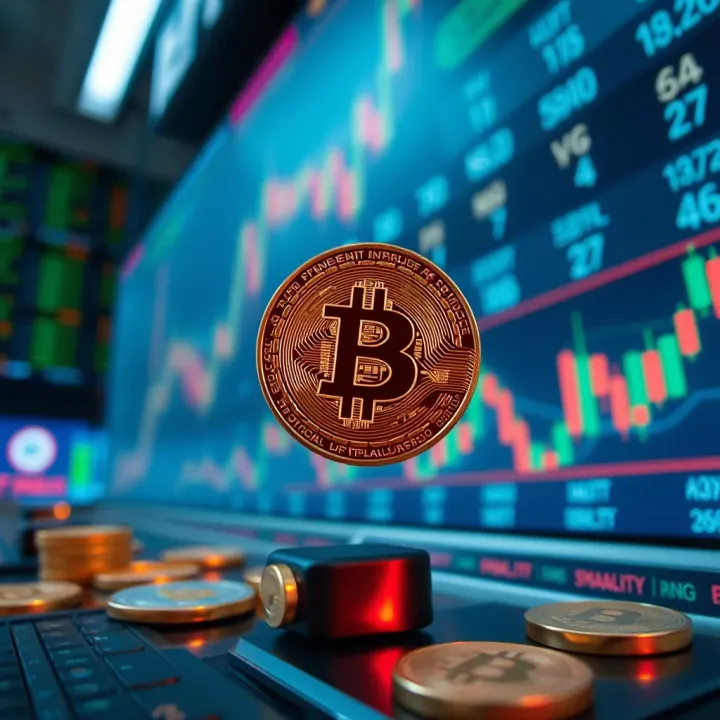
📈 Navigate crypto trading in Pakistan with this practical guide covering legalities, top platforms, investment tips, security, and future market trends for informed investors.
Based on 7 reviews