
Understanding Binary Quotes in Trading
📊 Understand binary quotes in trading, learn how they work, interpret signals, manage risks & make smarter choices in binary options markets.
Edited By
Henry Johnson
Forex trading, also known as foreign exchange trading, involves buying and selling currencies to make gains from their changing exchange rates. It is the largest and most liquid financial market globally, with over $6 trillion traded daily. For Pakistani investors, this market offers a chance to diversify portfolios beyond local stocks or real estate.
At its core, forex trading happens in currency pairs—buying one currency while selling another. For example, if you expect the US dollar to strengthen against the Pakistani rupee, you buy USD/PKR. If the dollar rises in value, you can sell back at a profit. This simple idea powers a complex and fast-moving market.
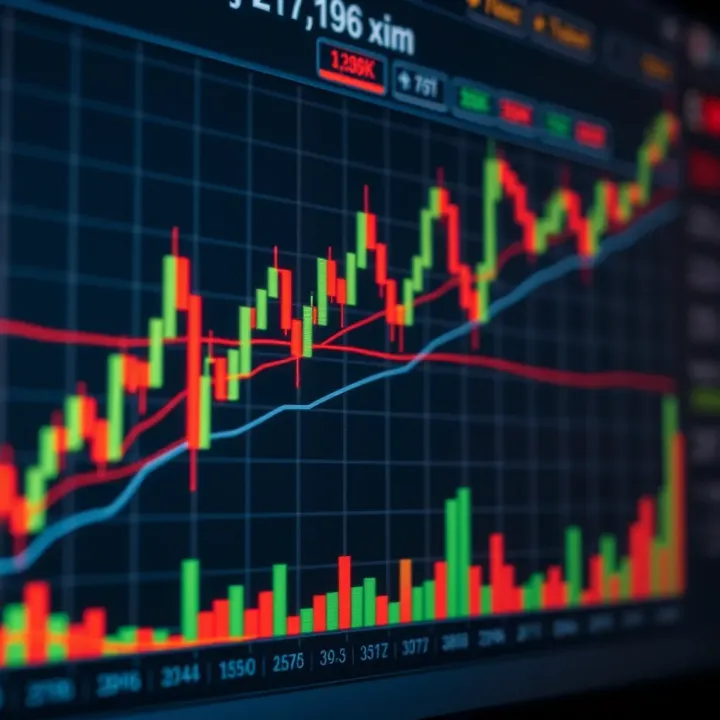
The forex market never sleeps. It operates 24 hours from Monday morning in Asia to Friday evening in New York. This continuous cycle allows investors flexibility to trade based on world events, such as interest rate changes from the State Bank of Pakistan (SBP) or geopolitical developments affecting currency strength.
Understanding key market players is important. Central banks like SBP influence the currency supply. Commercial banks, hedge funds, and retail traders each play roles in creating liquidity. Pakistani investors usually enter this market through brokers regulated by the Securities and Exchange Commission of Pakistan (SECP) or international platforms that accept Pakistani clients.
Successful forex trading requires more than luck. It needs clear strategies, risk management, and awareness of market factors specific to Pakistan, such as currency controls or economic data releases.
Some common trading strategies include:
Technical analysis: Using charts and indicators to predict market moves
Fundamental analysis: Evaluating economic reports like inflation, trade balance, and SBP policy rates
Carry trade: Borrowing in low-interest currencies to invest in higher-yielding ones
Risks can be high due to leverage, sudden market swings, and political instability. It is crucial to start with small amounts, use stop-loss orders, and stay updated on Pakistan’s economic policies and global trends.
This guide aims to help Pakistani investors understand how forex trading works, how to choose the right broker, and how to develop disciplined trading habits that suit the local context.
Forex trading serves as the backbone of global commerce by facilitating currency exchange needed for international business, tourism, and investment. For Pakistani investors, understanding this market opens pathways to diversify portfolios beyond local assets like stocks or real estate. This section sets the stage by clarifying key concepts and operational mechanics vital for anyone stepping into forex trading.
Forex trading involves buying one currency while selling another at the same time. Unlike stock markets, which deal with shares of companies, forex deals with currencies, making it the largest financial market globally with daily transactions exceeding $6 trillion. For example, a trader in Karachi might buy US dollars (USD) using Pakistani rupees (PKR) hoping the dollar strengthens, enabling profit when sold back.
The forex market operates 24 hours, five days a week, across major centres like London, New York, Tokyo, and Sydney. Traders use currency pairs, such as EUR/USD or USD/PKR, to speculate on exchange rate differences. Instead of a physical exchange, transactions occur electronically over-the-counter (OTC) through banks, brokers, or trading platforms. This continuous global cycle allows Pakistani traders to respond quickly to economic events or government policies anywhere.
Many Pakistanis find forex trading appealing due to its high liquidity, 24-hour trading, and potential for profit from even small currency moves. Unlike shares, forex positions can be opened with leverage, allowing traders to control larger amounts with comparatively small deposits. For instance, a trader might use leverage of 1:100, meaning a Rs 10,000 deposit controls Rs 1,000,000 in currency. That said, this also increases risk. Additionally, forex provides an alternative when local markets experience volatility caused by political events or economic instability.
Successful forex trading demands understanding both opportunities and risks. This introduction gives Pakistani investors a solid foundation before moving deeper into strategies and market players.
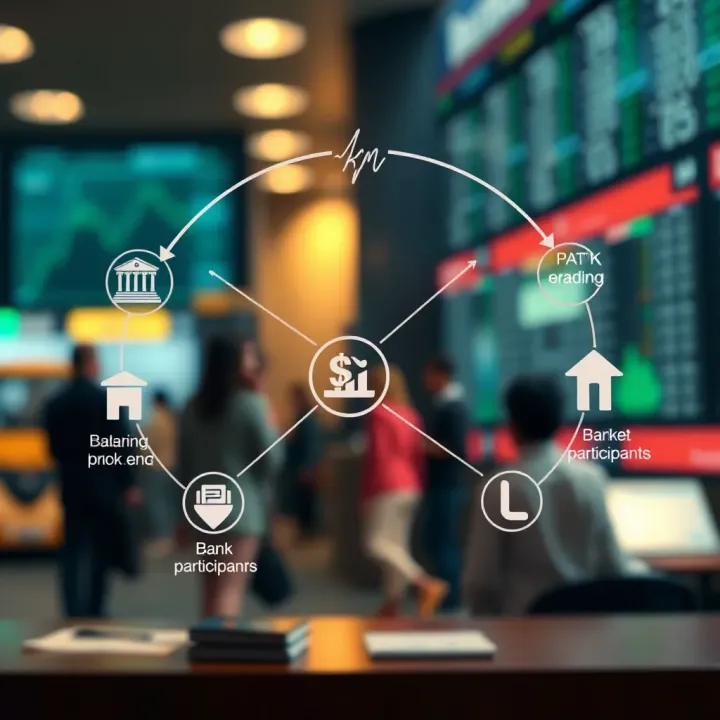
The forex market operates through a mix of different players, each with a unique role that affects currency prices and market dynamics. Understanding who these participants are helps Pakistani investors grasp how the market functions, spot opportunities, and manage risks more effectively.
Banks dominate forex trading by sheer volume. Large international banks like HSBC, Citi, and Deutsche Bank handle billions of dollars daily, facilitating currency conversion for clients and their own trading desks. These institutions act as market makers, providing liquidity and setting bid-ask prices that smaller players follow. For example, a Karachi-based bank dealing with emerging market currencies can influence local currency pairs by adding or withdrawing large sums. Financial institutions also engage in hedging operations to protect themselves from currency fluctuations, which adds to market activity.
Retail traders are individuals who enter the forex market mainly through brokers. Unlike banks, they trade smaller amounts but their collective volume is significant. Brokers like FXTM, XM, and local options approved by Pakistan’s State Bank offer platforms tailored to Pakistani investors, supporting PKR conversions and local payment methods like JazzCash or Easypaisa. New traders should carefully choose brokers based on regulation, spread costs, and platform reliability. The role of brokers is crucial as they provide access, education, and tools, but traders must stay aware of risks like leverage and fees that can wipe out profits quickly.
Central banks, such as the State Bank of Pakistan (SBP), and governments influence forex markets through monetary policies, currency interventions, and regulations. The SBP manages Pakistan's foreign reserves and occasionally intervenes by buying or selling dollars to stabilise the Pakistani rupee. Changes in interest rates announced by SBP affect currency attractiveness—higher rates may strengthen the rupee as they attract foreign investment. Governments may also impose rules that impact international trade and capital flows, indirectly affecting forex rates. For instance, during periods of heavy imports, the demand for foreign currency rises, influencing market prices.
Knowing the key players and how they interact in forex helps you understand price movements better. It also prepares you to navigate the market with more confidence, whether you're trading from Lahore or remotely via an online platform in Islamabad.
By recognising the influence of banks, brokers, and central banks, you better prepare to develop trading strategies and manage risks in Pakistan's dynamic forex landscape.
Starting forex trading in Pakistan requires a clear understanding of local conditions and practical steps. With numerous brokers and platforms available, Pakistani investors must focus on finding trustworthy options that suit their goals. This section outlines the essential steps to begin trading, from selecting a broker to meeting legal requirements.
Selecting the right forex broker is critical. In Pakistan, traders often face challenges due to scams and unregulated brokers. Always opt for brokers approved by the Securities and Exchange Commission of Pakistan (SECP) or those regulated by recognised international authorities like the Financial Conduct Authority (FCA) or Australian Securities and Investments Commission (ASIC). Look for features such as low spreads, reasonable leverage options (typically up to 1:100 in Pakistan), easy deposit and withdrawal methods like bank transfer, JazzCash, or Easypaisa, and responsive customer support.
For example, a broker offering MetaTrader 4 or MetaTrader 5 trading platforms with mobile apps is practical for traders who need to monitor markets while on the move. Reviews from Pakistani traders can also guide you towards reliable brokers.
Opening a trading account usually involves providing a valid Computerised National Identity Card (CNIC) and proof of address. Most brokers offer demo accounts to practice before investing real money. Funding your account can be straightforward if the broker supports local payment methods. Pakistani investors often prefer Easypaisa or direct bank transfers through local banks like Habib Bank Limited (HBL) or United Bank Limited (UBL).
Keep in mind that minimum deposit requirements vary. Some brokers allow starting with as low as $100 (around Rs 28,000), while others may need more substantial capital. Also, be aware of charges for currency conversion when depositing PKR into foreign currency accounts.
Forex trading is legal in Pakistan but regulated tightly. The State Bank of Pakistan (SBP) permits forex trading through authorised channels only. Pakistani residents should avoid brokers that ask for payments outside official banking systems as it may breach SBP rules.
Traders must comply with tax laws; profits from forex trading count as income and should be reported when filing with the Federal Board of Revenue (FBR). Keeping accurate records of trades and account statements helps during tax assessments.
Always verify if the broker complies with Pakistan's regulatory framework and follow local banking guidelines to avoid legal issues.
Taking these steps carefully not only protects your investment but also builds a stronger foundation for trading success in Pakistan's financial environment.
Understanding common forex trading strategies helps you build a solid foundation as a trader. These strategies guide your decisions when buying or selling currency pairs, aiming to maximise profits while limiting losses. Pakistani investors benefit greatly by learning practical approaches that fit local market conditions and their risk appetite.
Technical analysis involves studying price charts and past market data to predict future movements. Traders use indicators like moving averages, Relative Strength Index (RSI), and Bollinger Bands to spot trends and entry points. For example, if the RSI signals that a currency like USD/PKR is oversold, a trader might consider buying, expecting a price rebound. The appeal of technical analysis is its reliance on patterns and statistics rather than news, making it useful for short-term trading.
Fundamental analysis looks beyond charts, focusing on economic indicators and current events that influence currency values. In Pakistan, factors such as the State Bank of Pakistan’s (SBP) monetary policy decisions, inflation rates, trade balances, and political stability are crucial. For instance, an unexpected hike in the SBP policy rate often strengthens the Pakistani rupee, impacting forex trades. Keeping up with international news like the US Federal Reserve announcements or oil price changes also helps predict forex market shifts.
Managing risk is key to lasting success in forex trading. Successful traders set stop-loss orders to limit losses on each trade, ensuring one bad position doesn’t wipe out their capital. Position sizing is another method, where you only risk a small percentage of your total funds per trade — say 1% or 2%. This conservative approach suits Pakistani traders who might not want to risk large sums upfront. Besides, diversifying trades by involving different currency pairs can reduce the impact of adverse moves in one market.
Always remember, no strategy guarantees profit. Combining technical and fundamental analysis with strong risk management improves your chance of consistent returns.
Adopting these common forex trading strategies equips Pakistani investors to navigate volatile markets confidently. Whether you prefer analysing charts, following economic news, or controlling risk carefully, these approaches have practical value to help you trade smarter.
Forex trading offers potential rewards but also carries significant risks that every Pakistani investor must understand before starting. Awareness of these risks helps build a solid foundation for making informed decisions and minimising losses.
The forex market is highly volatile, meaning currency prices can swing dramatically in short periods. For example, political events like Pakistan’s budget announcements or interest rate changes by the State Bank of Pakistan (SBP) can cause sudden fluctuations in the PKR's value against the US dollar. This volatility creates chances for profit but also increases the risk of losses if the market moves against a trader’s position. Traders must stay alert to global news and real-time market data to manage this risk.
Leverage allows traders to control a large position with a small deposit known as margin. While this can amplify profits, it equally magnifies losses. For instance, using leverage of 100:1 means a movement of just 1% against your trade wipes out your margin. Pakistani traders often get attracted to high leverage, but without strict risk control, this can lead to heavy losses or even account closure. Managing leverage means setting sensible limits, using stop-loss orders, and never risking more than a small percentage of your account balance in a single trade.
The forex world has its share of fraudulent brokers and scams, especially targeting new traders unfamiliar with market practices. Some fake brokers may promise guaranteed returns or ask for large upfront payments then disappear. In Pakistan, it is essential to choose brokers regulated by international authorities and verify their credentials carefully. Brokers offering local deposit options via JazzCash or Easypaisa can be more trustworthy if they are also compliant with regulatory norms. Always research a broker’s reputation and read reviews from other traders before committing funds.
Successful forex trading requires not just knowledge of strategies but also a clear understanding of the risks involved and strict discipline to manage them.
By recognising these challenges—market volatility, leverage risks, and scams—Pakistani investors can navigate the forex space more confidently and protect their capital effectively.
Understanding both the advantages and challenges of forex trading is vital for Pakistani investors. This balance helps in making informed decisions while navigating the global currency markets from a local context.
Forex trading offers several practical benefits for Pakistani investors. Firstly, it provides high liquidity, as the forex market operates 24 hours across different time zones, allowing traders to enter and exit positions quickly. For example, a trader in Karachi can participate in the Asian, European, or American sessions conveniently.
Secondly, forex trading usually requires lower initial capital compared to other investment options like stocks or property. Many brokers in Pakistan offer micro accounts where you can start with as low as $50, making it accessible to a wider audience.
Another benefit is the ability to profit in both rising and falling markets through buying or selling currency pairs. This flexibility is a significant advantage, especially when local economic conditions cause instability in the Pakistani rupee.
Moreover, forex trading platforms in Pakistan often provide leverage, allowing traders to control larger positions with smaller funds. Though risky, this can amplify profits when managed carefully.
Finally, the development of local payment gateways such as JazzCash and Easypaisa enables smoother deposit and withdrawal processes, easing access for Pakistani investors.
While forex trading has clear benefits, Pakistani investors face unique challenges. One major limitation is the regulatory environment and legal complexity. The State Bank of Pakistan (SBP) restricts the trading of foreign currencies except through authorised dealers. This means that retail traders must ensure their brokers and transfers comply with local regulations to avoid legal issues.
Currency controls also affect ease of fund transfers. Sending deposits abroad or withdrawing profits in foreign currency sometimes involves lengthy bank procedures and additional fees, which can impact overall profitability.
Furthermore, the prevalence of fraudulent brokers and scams remains a concern. Many unregistered or offshore brokers target Pakistani traders with attractive promises but lack transparency or proper licensing.
Another consideration is exchange rate volatility, partially driven by Pakistan's current account deficits and geopolitical tensions. Sudden rupee devaluation can affect traders holding certain positions, increasing risk.
Finally, internet stability and power outages can disrupt timely trading decisions, especially during sharp market movements, potentially causing significant losses.
Taking these factors into account helps Pakistani investors approach forex trading with a realistic perspective, weighing potential profits against local risks. Proper due diligence, legal compliance, and disciplined risk management are essential to success.
By assessing both benefits and limitations carefully, an investor from Pakistan can better decide if forex trading matches their financial goals and risk appetite.
Access to the right resources and tools shapes a trader’s success in forex markets, especially in Pakistan where local market conditions and infrastructure present unique challenges. Traders need reliable educational platforms, user-friendly trading software, and up-to-date market information to make informed decisions. These resources not only boost confidence but also help manage the inherent risks of forex trading.
Before diving into forex trading, gaining solid knowledge is crucial. Pakistani traders benefit from several local and international platforms offering courses tailored to different levels—from beginners to advanced. For example, workshop sessions by academic institutions like the Pakistan Institute of Development Economics (PIDE) occasionally cover forex fundamentals with a focus on Pakistan's economy. Moreover, widely used online sites like Investopedia or BabyPips provide free tutorials that explain technical indicators, chart patterns, and economic news analysis. These courses often include practical quizzes, helping learners test their understanding. Investing time in these resources avoids costly mistakes and builds a solid foundation.
Choosing the right trading platform affects both accessibility and efficiency. MetaTrader 4 (MT4) and MetaTrader 5 (MT5) are commonly used in Pakistan for their robust features, including real-time charts, automated trading, and custom indicators. Local forex brokers often offer these platforms alongside mobile-friendly apps to accommodate traders who prefer smartphones over desktops. More recently, platforms like TradingView have gained popularity due to their advanced charting capabilities and social trading features, allowing Pakistani traders to learn from others' analysis. It’s important to pick platforms regulated and approved by the Securities and Exchange Commission of Pakistan (SECP) or those compliant with Pakistan’s financial guidelines to ensure safety and legal adherence.
Staying updated with accurate and timely market news is essential in forex trading. Pakistani traders rely on both global and local sources to understand currency movements that impact PKR pairs. Reuters, Bloomberg, and Forex Factory provide real-time updates on international economic data and geopolitical events. Locally, financial newspapers like Dawn Business and The News Business section offer analyses linked to Pakistan's economy, such as monetary policy changes by the State Bank of Pakistan (SBP) and fiscal announcements from the Federal Board of Revenue (FBR). Additionally, several Pakistani brokerage websites provide daily market research reports and forecasts tailored for local traders.
Tip: Combining international insights with local economic news helps traders forecast better and respond promptly to market movements affecting Pakistani currency pairs.
In sum, utilising well-rounded educational materials, reliable trading platforms, and comprehensive news channels forms the backbone of successful forex trading for Pakistan-based investors. Picking the right mix of these tools enhances both strategy development and risk management in the volatile forex environment.
📊 Understand binary quotes in trading, learn how they work, interpret signals, manage risks & make smarter choices in binary options markets.
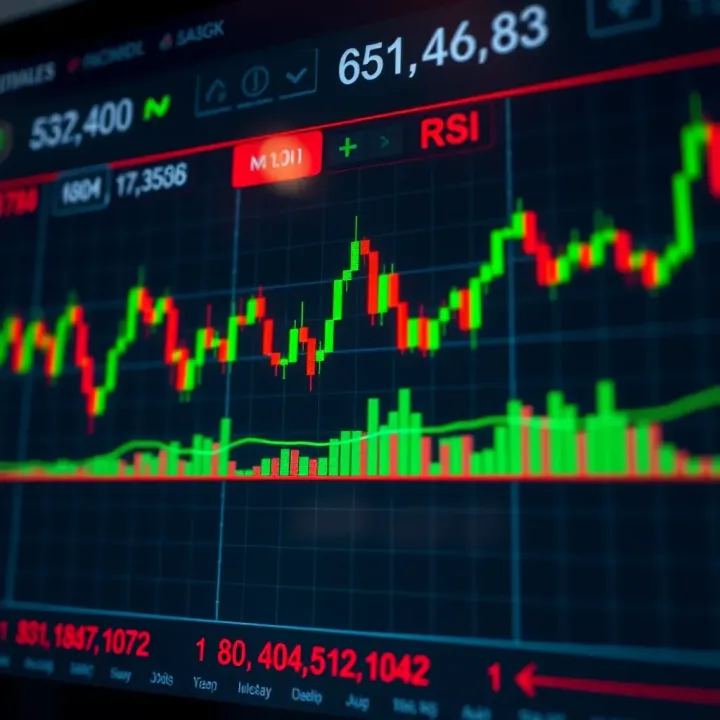
Discover how to choose the right forex trading indicators 📊. Learn types, key qualities, popular picks, avoiding mistakes, and combining tools for smarter trades.
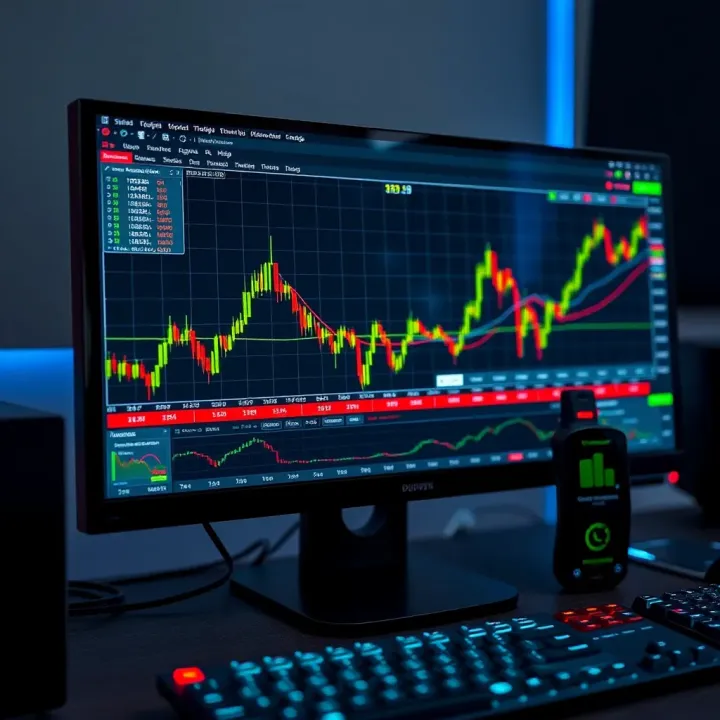
Looking for the best forex trading platform in Pakistan? Discover top features, security tips, and cost comparisons to match your trading style and needs! 💹🇵🇰
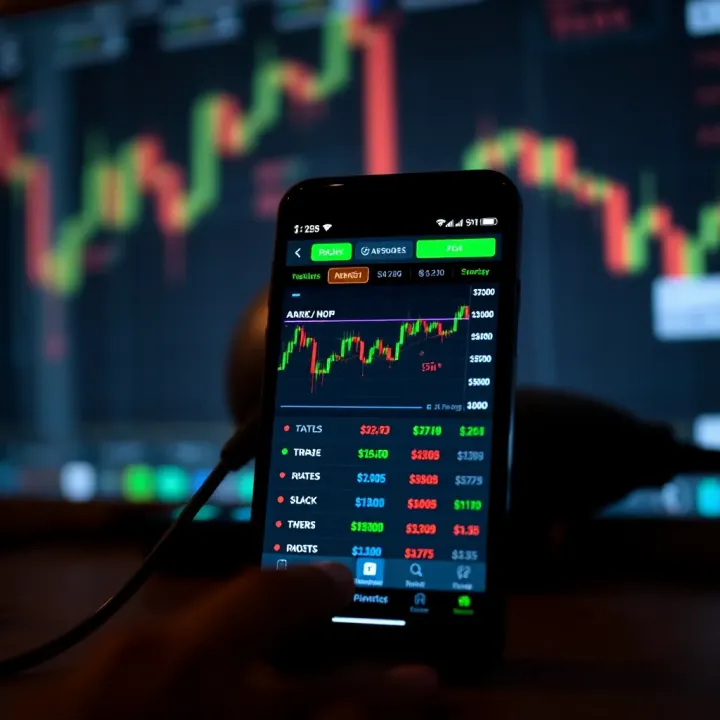
Looking for the best forex trading app in Pakistan? Discover top-rated platforms with reliable features, easy use, and secure trading options 📱💰
Based on 12 reviews