

Crypto Trading Course Guide for Pakistan
📈 Explore crypto trading courses in Pakistan designed for investors! Learn trading basics, course features, practical skills & stay aware of local regulations safely.
Edited By
Charlotte Evans
Cryptocurrency trading in Pakistan has sparked a lot of debate lately, especially about whether it is legal or not. The situation remains complex due to the evolving regulations and the stance of key financial authorities such as the State Bank of Pakistan (SBP) and the Securities and Exchange Commission of Pakistan (SECP).
Currently, Pakistan does not have a fully developed legal framework explicitly allowing or banning crypto trading. However, the SBP issued a circular back in April 2018 prohibiting banks and financial institutions from facilitating cryptocurrency transactions. This move created significant hurdles for those wanting to buy or sell cryptos using formal banking channels.
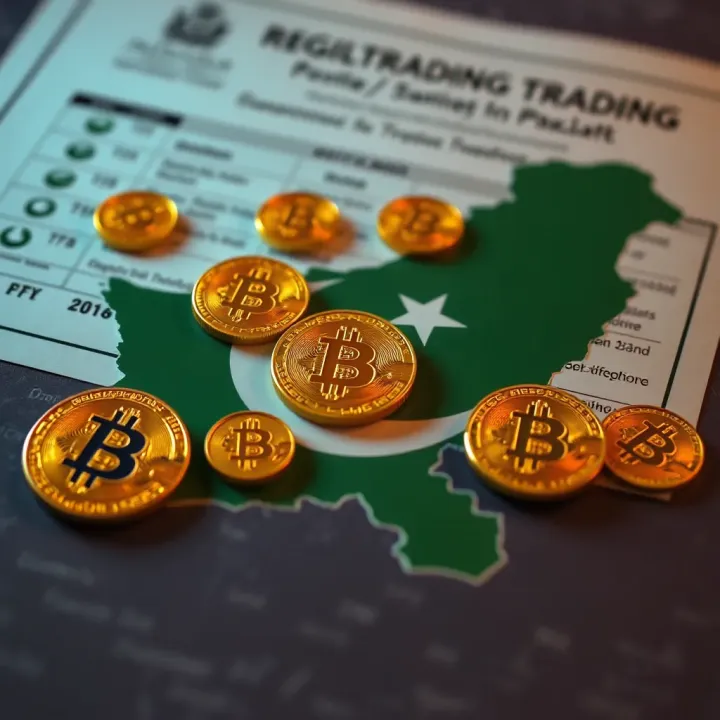
Despite this prohibition, many Pakistanis continue to trade cryptocurrencies through peer-to-peer platforms, local exchanges, or overseas brokers, often at their own risk.
The SECP has also expressed concerns related to investor protection, money laundering risks, and the lack of regulation in digital assets. Meanwhile, the Federal Board of Revenue (FBR) has started looking into cryptocurrency transactions for tax purposes, signalling growing governmental interest in monitoring this sector.
For traders and investors in Pakistan, this means:
Official banking channels cannot be legally used for crypto transactions.
Buying or selling cryptos through informal means remains widespread but unregulated.
There is a real risk of losing money due to scams, market volatility, or sudden regulatory changes.
Understanding these factors is essential before entering crypto trading in Pakistan. It is wise to stay updated on announcements from the SBP, SECP, and FBR to ensure compliance and avoid legal pitfalls.
This evolving landscape calls for caution, thorough research, and a clear grasp of where crypto trading stands within Pakistani laws today.
Understanding the current legal status of cryptocurrency trading in Pakistan is essential for anyone interested in investing or trading digital assets in the country. This clarity helps traders navigate the financial landscape without inadvertently breaking laws. Given the growing interest in cryptocurrencies like Bitcoin and Ethereum, clear comprehension of regulations allows you to make informed decisions and manage legal risks effectively.
The State Bank of Pakistan (SBP) has not officially recognised cryptocurrencies as legal tender. In April 2018, SBP issued a circular banning banks and financial institutions from providing services related to virtual currencies. This means Pakistani banks cannot facilitate deposits, withdrawals, or fund transfers for crypto trading activities. As a result, while individuals may buy or sell cryptocurrencies independently, official banking channels remain closed, making it tougher for everyday users to access crypto markets.
Still, this position prevents formal integration of cryptocurrencies within Pakistan's financial system. For example, someone trying to link their debit or credit card with an exchange typically hits a wall because Pakistani banks must comply with SBP directives.
The Pakistani government has taken a cautious stance towards cryptocurrencies. Recent statements from the Ministry of Finance and the Finance Minister suggest that while blockchain technology holds promise, unregulated crypto trading presents significant risks. Authorities have raised concerns about money laundering, terrorism financing, and consumer protection.
Though no outright law criminalises owning or trading cryptocurrencies for individuals, the government emphasises the need for regulatory frameworks. This cautious approach reflects the desire to control financial stability and reduce illicit activity risks. For instance, Finance Minister Ishaq Dar highlighted in a recent press briefing that regulations are expected soon to govern crypto trade, signalling the government's intent to formalise policies rather than ban activities outright.
The Pakistan Securities and Exchange Commission (SECP) has shown interest in supervising elements of the crypto space, particularly Initial Coin Offerings (ICOs) and crypto investments, which could fall under securities laws. SECP warns investors about high volatility and fraud in unregulated crypto schemes.
SECP's view suggests any crypto asset treated as investment contracts could require licensing or disclosure, aligning with investor protection principles. For example, a company launching a crypto token in Pakistan without SECP approval can face regulatory action. This position indicates the commission is preparing to integrate crypto trading within its regulatory umbrella cautiously.
While the legal status of crypto trading in Pakistan remains unsettled, the combined stance of SBP, government, and SECP points towards a watchful but not prohibitive environment for now.
Keeping these regulatory views in mind helps crypto traders and investors understand where they stand legally and plan their activities accordingly.

Cryptocurrency trading in Pakistan carries significant risks that traders should consider carefully. The lack of a clear regulatory framework means users operate in a somewhat grey area, exposing themselves to potential losses and legal uncertainties. Understanding these challenges helps investors make informed decisions and manage their exposure effectively.
Currently, crypto trading is not officially recognised or regulated by Pakistani authorities such as the State Bank of Pakistan (SBP) or the Securities and Exchange Commission of Pakistan (SECP). This absence of legal backing means traders have no formal protection if an exchange collapses or if they fall victim to fraud. For example, if a local crypto platform shuts down suddenly or freezes accounts, investors can find themselves with little recourse, as consumer protection laws applicable to banking or securities do not extend to cryptocurrencies.
Traders must remember that engaging with crypto platforms in Pakistan involves accepting these legal risks upfront, as no government insurance or dispute resolution covers such transactions.
Crypto markets worldwide face security threats, and Pakistan is no exception. Since many users rely on foreign exchanges or peer-to-peer networks, risks of hacking, phishing, and scams remain high. In 2023, several Pakistani crypto traders reported losses after being targeted by phishing attacks aimed at stealing wallet credentials. Additionally, fraudulent schemes disguised as investment opportunities have duped many novices, especially during periods of heightened market hype.
Traders should always verify the credibility of platforms, use two-factor authentication, and avoid sharing sensitive information. Moreover, cold wallets — offline storage for crypto assets — offer better security compared to keeping funds on exchanges, which are vulnerable to breaches.
Cryptocurrencies are notoriously volatile, with prices swinging widely in short periods. In Pakistan, where many investors might be new to such markets, sudden drops can lead to substantial financial losses. For example, Bitcoin’s price fell by nearly 50% during certain months of 2022, wiping out significant portfolio value for unprepared traders.
This volatility is intensified by the relative infancy of crypto markets locally, limited liquidity, and regulatory uncertainty. Consequently, maintaining a cautious approach and avoiding over-leveraging positions is crucial. Being prepared for rapid fluctuations can save traders from panic-selling and poor decisions driven by emotion.
In summary, while crypto trading offers opportunities, the associated legal ambiguity, security risks, and price swings demand thorough due diligence and risk management strategies. Pakistanis interested in this field should stay updated on regulatory changes and prioritise safety to protect their investments.
Despite the unclear legal status of cryptocurrencies in Pakistan, many Pakistanis find ways to trade digital assets. Understanding these options is essential to navigate the barriers laid down by regulators and banking restrictions. This section explains the main routes available for Pakistanis, practical benefits, and limitations that traders face today.
The most straightforward way for Pakistanis to trade cryptocurrencies is through international crypto exchanges like Binance, Coinbase, or Kraken. These platforms offer wide-ranging digital assets, user-friendly interfaces, and advanced trading tools. However, registering on these sites requires verifying identity documents, which can be challenging due to local regulatory concerns.
Pakistani traders often use Virtual Private Networks (VPNs) to access these platforms, especially when facing regional restrictions or internet censorship. Since these exchanges are outside Pakistan's jurisdiction, they do not directly involve local banking channels, meaning Pakistani users must find alternative methods to fund their accounts—often through peer-to-peer (P2P) methods or third-party payment providers.
Example: A Karachi-based trader might use Binance’s P2P service to buy USDT stablecoins by paying in cash or JazzCash, then use these coins to trade other cryptocurrencies on Binance.
Peer-to-peer (P2P) trading has grown popular in Pakistan because it bypasses formal banking restrictions. P2P platforms connect buyers and sellers directly, allowing them to negotiate price and payment method. Common payment channels include mobile wallets like JazzCash and Easypaisa, direct bank transfers, or even cash payments.
Trading P2P reduces reliance on international banking channels, making it accessible to many who lack access to foreign cards or accounts. That said, P2P trading carries risks such as fraud and scams, so users must exercise caution, verify counterparty credibility, and prefer escrow-based platforms.
Practical tip: Always use P2P services with an escrow system to protect your funds until the transaction is confirmed.
Pakistani banks largely restrict direct cryptocurrency transactions due to the State Bank of Pakistan’s ban on crypto payments and trade. Many banks block accounts suspected of crypto-related deposits or withdrawals. This restriction forces traders to use informal means, such as mobile wallets or cash, to settle transactions.
The lack of banking support makes it difficult to move large sums conveniently or convert cryptocurrency gains back into PKR. It also poses challenges for taxation and financial reporting, increasing legal uncertainty. Traders should keep meticulous records of transactions and remain aware of potential compliance issues.
In summary, Pakistanis interested in cryptocurrency trading today mainly rely on international exchanges accessed with VPNs, peer-to-peer trading platforms that support local payment methods, and work around strict banking restrictions. Understanding these options helps traders manage risks and take informed steps while navigating the current legal grey areas.
The regulatory environment around cryptocurrency in Pakistan is evolving rapidly. Understanding the planned changes is key for traders, investors, and market analysts to anticipate how the crypto market will develop locally. Clear regulations could open doors for safer investment opportunities and greater integration with Pakistan’s conventional financial systems.
The government and financial watchdogs, such as the State Bank of Pakistan (SBP) and Pakistan Securities and Exchange Commission (SECP), are reportedly drafting specific crypto regulations. These aim to define what qualifies as legal crypto trading, set standards for exchanges, and outline compliance requirements for traders and businesses. For instance, proposals include licensing requirements for crypto exchanges to operate legally within Pakistan, similar to banking regulations.
In addition, there are discussions around anti-money laundering (AML) and know-your-customer (KYC) procedures for crypto traders. These moves would align Pakistan's crypto policy with international standards, potentially making it easier for businesses to conduct cross-border crypto transactions without running afoul of law enforcement. Traders should watch how these frameworks develop, as they will influence daily trading practices and the security landscape.
Clearer regulations would benefit the Pakistani crypto market significantly. Right now, uncertainty deters major investment and innovation. If crypto trading is officially recognised and regulated, Pakistan could see increased involvement from local fintech startups, who may launch crypto wallets or exchange platforms tailored for Pakistani users.
Moreover, regulatory clarity could help integrate cryptocurrencies with existing banking channels, improving liquidity and making it easier to convert between crypto and Pakistani Rupees. This would reduce reliance on informal peer-to-peer trading, which carries higher risks.
Clear, practical regulation not only protects investors but encourages responsible market growth – a win-win for Pakistan’s financial landscape.
That said, traders must keep in mind that the pace of regulatory change can be slow, and initial rules might be strict. However, over time, a transparent legal framework will provide a solid foundation for Pakistan to become a more competitive player in the regional crypto space, attracting both domestic and foreign investors with confidence.
Understanding these upcoming changes is essential for anyone involved in or considering crypto trading in Pakistan today. Staying informed will help avoid legal pitfalls and capitalise on new opportunities as they arise.
For Pakistanis looking to trade cryptocurrencies, having practical tips is more than just handy; it’s necessary. Given the unclear legal status and risks involved, understanding how to navigate crypto trading safely can protect you from legal troubles and financial losses. This section lays out simple yet important steps to help you trade responsibly and securely while abiding by existing rules.
While Pakistan has not fully legalised crypto trading, certain guidelines must be followed to stay within legal limits. For instance, it's essential to avoid converting crypto directly to PKR through local banks, as these channels currently do not support crypto transactions officially. Instead, many rely on international platforms that accept foreign currencies. Make sure you keep detailed records of all transactions for tax purposes and declare any gains if required by the Federal Board of Revenue (FBR). Staying up to date with announcements from State Bank of Pakistan (SBP) and FBR will also help you adapt to any regulatory changes quickly.
Security is critical in crypto trading. Always opt for well-known exchanges like Binance, Coinbase, or Kraken that offer strong security features, including two-factor authentication (2FA) and cold wallet storage. For wallets, hardware wallets such as Ledger or Trezor provide better protection compared to online wallets, especially against hacking. Avoid storing large amounts of cryptocurrency in exchanges for a long time as these platforms can be targets of cyberattacks. It’s smart to do some research or check user reviews about exchange reliability and wallet usability before committing.
Cryptocurrency markets are volatile, and scams are unfortunately common. To manage risks, never invest more than you can afford to lose. Be wary of promises of guaranteed high returns, which often signal fraud. Always verify the legitimacy of any investment opportunity, especially when approached through social media or messaging apps popular in Pakistan. Peer-to-peer trading platforms should be handled with extra caution; use escrow services if available to protect your funds.
Remember, the key to safer crypto trading in Pakistan lies in education, staying informed on legal updates, and choosing trustworthy platforms. This approach reduces the chances of falling prey to scams and helps you comply with existing financial regulations.
By following these tips, you enhance your chances of navigating Pakistan’s complex crypto scene with confidence and safety.
📈 Explore crypto trading courses in Pakistan designed for investors! Learn trading basics, course features, practical skills & stay aware of local regulations safely.

📊 Discover the best crypto trading indicators that give clear insights and practical tips, helping Pakistani traders make smarter decisions in the market. 🚀
🔍 Find the best crypto trading platform in Pakistan! Compare fees, security, payment options, and local regulations to trade smart and safe. 🇵🇰💰
Looking for the best crypto trading app in Pakistan? 🤑 Discover top picks with strong security, easy use, local features, and regulatory safety! 📱💰
Based on 7 reviews