
Crypto Trading in Pakistan: Legal and Practical Guide
📈 Navigate crypto trading in Pakistan with this practical guide covering legalities, top platforms, investment tips, security, and future market trends for informed investors.
Edited By
Olivia Reid
Crypto trading is buying and selling digital currencies, like Bitcoin or Ethereum, to make profits from price changes. Unlike traditional stocks or commodities, cryptocurrencies trade 24/7 on various online platforms and their values can swing wildly within minutes. This volatility presents both opportunity and risk for traders in Pakistan and worldwide.
Understanding how crypto trading works is essential before getting started. You don’t just buy and hold; traders use multiple methods to capitalise on market movements. These include:
Spot trading: Buying crypto at the current price and selling it later.
Margin trading: Borrowing funds to increase buying power but with amplified risk.
Futures contracts: Agreements to buy or sell a crypto at a predetermined price on a future date.
In Pakistan, popular trading platforms like Binance and local exchanges provide easy access to cryptocurrencies. However, regulatory uncertainty remains. The State Bank of Pakistan (SBP) has not officially recognised cryptocurrencies as legal tender but hasn’t banned trading outright. Traders must be cautious and keep up with any new regulations or advisories.
Crypto trading demands a good grasp of market trends, technical analysis, and news affecting prices. Tools like candlestick charts, moving averages, and volume indicators help traders make informed decisions. Unlike stock markets that close, crypto markets never sleep, so awareness and quick reactions are key.
Remember, crypto trading isn’t a quick way to get rich; it takes patience, research, and strict risk management to succeed. Always start small and never invest money you cannot afford to lose.
Overall, crypto trading offers an exciting new avenue for investment but comes with unpredictability not common in traditional markets. By understanding its mechanics and staying updated on Pakistan-specific conditions, you can approach the crypto market more confidently and safely.
Understanding the basics of cryptocurrency trading helps investors and traders make informed decisions in what can be a volatile market. With the rise of digital currencies globally and growing interest in Pakistan, grasping the foundational concepts is the first step towards trading confidently and safely.
Cryptocurrency is a digital form of money secured by cryptography, meaning it can't be easily counterfeited or manipulated. Unlike traditional currencies issued by governments or central banks, cryptocurrencies operate on decentralised networks, usually based on blockchain technology. This decentralisation means no single authority controls the currency, which appeals to many users looking for transparency and reduced dependence on banks.
Trading cryptocurrencies involves buying digital coins or tokens on an exchange and selling them later, usually through the same platform. For example, a trader might buy one Bitcoin (BTC) when it's priced at Rs 5 million with the hope of selling it later at a higher price. Transactions are completed entirely online using exchange accounts linked to bank transfers, mobile wallets like JazzCash or Easypaisa in Pakistan. Rather than physical cash, ownership is recorded securely via blockchain.
Crypto prices can swing rapidly, sometimes within minutes, making trading both risky and potentially profitable. Traders aim to buy low and sell high, profiting from market ups and downs. For instance, if a trader purchases Ethereum (ETH) at Rs 300,000 and sells when it hits Rs 350,000, they secure a gain. However, losses occur if the price moves the opposite way, so understanding these fluctuations and timing entries and exits carefully is crucial.
While cryptocurrencies themselves are decentralised, trading usually happens on centralised or decentralised exchanges. Centralised exchanges like Binance or Coinbase act as middlemen, facilitating trades and providing liquidity. In Pakistan, these platforms are popular due to ease of access and trust. On the other hand, decentralised exchanges (DEXs) let users trade peer-to-peer without an intermediary but often require more technical know-how.
Trading pairs represent one currency exchanged for another. BTC/USDT means buying or selling Bitcoin against Tether (USDT), a stablecoin pegged close to the US dollar. Since Pakistanis often want to evaluate gains in terms of a stable currency, trading pairs with USDT or US dollar-pegged coins provide a clear benchmark. Understanding pairs is vital because profits or losses depend on their exchange rate rather than just the coin’s absolute price.
Supply and demand drive the prices you see on crypto charts. If demand for Bitcoin rises in Pakistan around times of political unease or economic instability, prices often surge because more people want to buy than sell. Conversely, when more holders sell their coins, supply exceeds demand, pushing prices down. Staying aware of local and global events helps traders anticipate these shifts and plan accordingly.
Mastering these basics, including what cryptocurrencies are, how markets function, and the role of supply and demand, forms the backbone of successful trading, especially within Pakistan's dynamic market.
Understanding the popular methods of crypto trading helps traders choose strategies that fit their goals and risk tolerance. Different methods cater to varying levels of experience, from beginners to seasoned pros looking for bigger moves. Each approach has its own trade-offs around complexity, time commitment, and capital requirements.
Spot trading means buying or selling cryptocurrencies for immediate settlement. When you buy Bitcoin in a spot market, you receive the coins instantly and can transfer or hold them. This straightforward exchange is essential for those new to crypto because you get actual ownership rather than just contracts or derivatives.
Spot trading is common for beginners as it avoids complicated tools like margin or leverage. For example, a trader in Karachi could buy Ethereum on Binance using Pakistani rupees via JazzCash, then keep it safe in their wallet or sell when the price moves favourably. This method suits those who want to keep control over their assets and learn market movements without worrying about borrowing money or risking liquidation.
Margin trading lets you use borrowed funds to increase the size of your trade. For instance, if you have Rs 50,000, you might be able to open a position worth Rs 200,000 by borrowing from the exchange. This amplifies your potential gains but also your losses.
The higher risk and rewards come from the fact that price swings impact the full leveraged amount. If the market moves against you, losses can exceed your initial capital, leading to forced liquidation. That said, some traders use leverage cautiously to maximise returns during high-volatility periods. Pakistani traders should remember that while margin trading offers attractive profit potential, it demands solid risk management and clear exit strategies to avoid big losses.
Day trading involves making multiple short-term trades within a single day. Traders attempt to capture quick profits from small price movements, closing all positions before the market closes. This method requires constant market monitoring and quick decision-making.
Swing trading, on the other hand, holds positions for a few days or weeks, aiming to benefit from broader price swings. Both rely heavily on analysing price charts, volume, and market trends. For example, a trader in Lahore might study BTC/USD price patterns and enter a position based on technical indicators, selling once the expected swing completes.
By analysing price movements closely, traders can identify entry and exit points with more confidence. However, this demands discipline, patience, and the ability to handle stress during volatile times common in Pakistani markets affected by global news and rupee fluctuations.
Choosing the right trading method depends on your experience, risk appetite, and time for market analysis. Beginners may find spot trading easier, while experienced traders often prefer margin or swing trading for higher returns.
Popular methods provide the foundation to craft a personal trading style that balances opportunity and risk carefully.
Choosing the right platforms and tools is vital for successful crypto trading in Pakistan. The market’s unique challenges, such as regulatory uncertainties and payment constraints, make it necessary to pick exchanges and tools that suit local needs. This section explains popular exchanges, payment methods, account setup, and essential trading tools to help you trade more efficiently.
International platforms like Binance and Coinbase play a significant role for Pakistani traders. Binance is particularly popular because it offers a wide range of cryptocurrencies and trading pairs at relatively low fees. Its user-friendly interface and advanced features suit both beginners and experienced traders. Coinbase, on the other hand, is known for its strong security and ease of use but has more limited options compared to Binance. Both platforms require KYC (Know Your Customer) verification, ensuring compliance with international regulations, which adds some confidence for Pakistani traders despite the legal grey area locally.
Local alternatives and OTC providers fill gaps where international platforms face restrictions due to payment methods or regulatory hurdles. Over-the-counter (OTC) providers offer direct buying and selling services without using order books, which can be convenient for large trades or users uncomfortable with exchange platforms. Local startups and firms offer cryptocurrencies with deposits through popular mobile wallets or bank transfers within Pakistan. These services often provide support in Urdu and regional languages, making them accessible to new users. However, traders should vet these providers carefully for trustworthiness and transparency due to less formal regulation.
Using JazzCash and Easypaisa for deposits has become increasingly common among Pakistani crypto traders. These mobile wallets make it easy to fund accounts without international bank transfers, which can be slow and costly. Many local OTC providers and some exchanges allow direct deposits through JazzCash or Easypaisa, speeding up transactions. This integration lowers the entry barrier for many users who don't have access to international payment cards.
Verifying identity with CNIC is a standard step for most credible platforms in Pakistan. Identity verification helps exchanges comply with local laws and international standards to prevent money laundering and fraud. Pakistani traders must submit their Computerised National Identity Card (CNIC) details during account creation or when making deposits. This step might feel cumbersome but adds a layer of protection both for the trader and the platform, offering a safer trading environment.
Price charts and indicators are core to analysing market trends and making informed decisions. Traders in Pakistan rely on platforms like TradingView integrated into exchanges or third-party apps. These tools display real-time price movements, volume, and technical indicators such as RSI (Relative Strength Index) and Moving Averages. Using them helps traders spot entry and exit points, manage risk better, and react quickly to market swings, which are often sudden in crypto markets.
Portfolio trackers help traders manage their investments across multiple exchanges and wallets effortlessly. These apps consolidate holdings, showing overall profit or loss, asset allocation, and historical performance. Pakistani traders benefit from trackers that support PKR valuation, providing a clear picture of crypto value against the local currency rather than USD or other foreign currencies. This insight aids decision-making for portfolio rebalancing and tax reporting purposes.
Choosing the right exchange and tools tailored for Pakistan's market can save you time, reduce risks, and improve profitability in crypto trading.
Understanding these platforms and tools helps traders navigate complexities specific to Pakistan, from payment challenges to tracking investments efficiently.
Understanding the risks and challenges of crypto trading is vital before you get involved. The crypto market's unique nature means losses can pile up quickly if you’re not careful. This section covers the main concerns Pakistani traders face, helping you prepare for what lies ahead.
Price swings in cryptocurrencies are often dramatic and sudden. Unlike traditional stocks or commodities, crypto prices can jump or fall by double-digit percentages within hours. This makes potential profits tempting but also raises the chance of heavy losses if you enter or exit positions at the wrong time. For example, Bitcoin might rally sharply on positive news but crash just as fast if regulatory fears arise.
In Pakistan, this volatility is even more noticeable due to limited local liquidity and heavy reliance on global exchanges like Binance or Coinbase. Political developments and foreign exchange fluctuations further impact Pakistani traders. Consider how sudden rupee depreciation or tentative government statements on crypto policies quickly add to market unpredictability. Traders must stay alert and ready to adjust strategies to handle these wild swings.
Crypto trading carries inherent risks of hacking. Exchange platforms and personal wallets have become targets for cybercriminals worldwide, including in Pakistan. High-profile crypto thefts highlight the need for vigilance. Losing access to your digital assets through hacking not only means financial damage but often no legal recourse.
Protecting your crypto wallets and accounts is non-negotiable. Always enable two-factor authentication (2FA) through apps like Google Authenticator or Authy. Use hardware wallets or cold storage for large holdings instead of keeping everything on exchanges. Avoid saving passwords on unsecured devices or sharing sensitive keys online. Regularly updating software and using trusted platforms also reduces risks of malware and fraud.
Currently, Pakistan’s stance on cryptocurrency is cautious but evolving. The State Bank of Pakistan (SBP) has warned against using cryptos for payments, citing risks of fraud and money laundering. There is no formal legal framework yet to govern trading, creating uncertainty for investors.
Furthermore, the Federal Board of Revenue (FBR) considers income from crypto trading taxable under existing laws. Traders are expected to declare gains and pay capital gains tax, though enforcement remains inconsistent. Being aware of these tax duties is essential to avoid future legal issues. Consulting a tax expert familiar with crypto can help Pakistani traders comply with FBR regulations while optimising their tax position.
Crypto trading in Pakistan holds promise but also comes with market swings, security risks, and regulatory grey areas. Knowing these challenges helps you trade smarter and safer.
In summary, volatility demands constant monitoring and cautious strategies, security requires strong personal safeguards, and keeping up with evolving laws ensures your trading stays legitimate and stress-free. Approach the market informed—and you’re halfway to success.
Trading cryptocurrency safely is the first step every trader should prioritise. It reduces the potential for financial loss, protects your investments, and builds confidence as you navigate volatile markets. In Pakistan, where regulations and infrastructure are still developing, understanding how to trade safely becomes even more critical.
When picking a crypto exchange, fees can significantly impact your overall returns. Many popular platforms charge trading fees between 0.1% and 0.5% per transaction. For Pakistani traders, it's advisable to compare these charges alongside withdrawal and deposit fees, especially when using local payment methods like JazzCash or Easypaisa. Security matters even more—exchanges with robust two-factor authentication (2FA), cold storage of assets, and a strong track record against hacks should be your priority. For instance, Binance has faced security issues before but improved significantly, making trustworthiness an ongoing aspect to monitor.
A user-friendly platform helps reduce costly mistakes. Beginners especially benefit from clean layouts and straightforward navigation. Additionally, reliable customer support that responds quickly can save you from stressful situations, such as delayed withdrawals or encountering suspicious activity. Some exchanges provide support in Urdu or allow local currency deposits, which can be an advantage for those less comfortable with English or international banking systems.
Stop-loss orders limit your losses by automatically selling an asset when its price hits a certain threshold. This feature is essential in crypto trading due to high market volatility. For example, if you buy Bitcoin at Rs 6,000,000 and set a stop-loss at Rs 5,800,000, the system will sell automatically if the price falls to protect your capital. Using stop-loss helps avoid emotional decision-making during sharp price drops common in crypto markets.
Avoid putting all your capital in one trade. A common rule is risking only 1-2% of your total trading capital on each trade. Diversify investments across coins and trading styles to spread risk. Suppose you have Rs 1 lakh to invest; you might allocate Rs 2,000 per trade rather than investing the entire amount in one position. This approach helps you survive bad trades and continue trading without major financial strain.
Cryptocurrency prices react quickly to global events, regulatory announcements, or technological upgrades. Staying updated through reliable news sources or Pakistani financial news outlets like Dawn Business can give you a head start. For example, a sudden statement from the State Bank of Pakistan regarding crypto taxation can affect market sentiment immediately. Timely awareness lets you adjust your strategy accordingly.
Community groups on platforms like Telegram, Twitter, or Facebook enable exchange of ideas, insights, and warnings about scams or promising projects. Pakistani traders often share tips about local selling points, trusted over-the-counter (OTC) providers, or changes in payment channels. Being part of such communities also boosts learning and morale from shared experiences, especially for newcomers who may find trading overwhelming.
Starting crypto trading safely means combining careful platform choice, smart strategies, and continuous learning to navigate risks effectively while making informed decisions that protect your investment.
📈 Navigate crypto trading in Pakistan with this practical guide covering legalities, top platforms, investment tips, security, and future market trends for informed investors.
🔍 Curious about crypto trading legality in Pakistan? This guide explains current regulations, financial authorities’ views, risks involved, and useful tips for local traders.
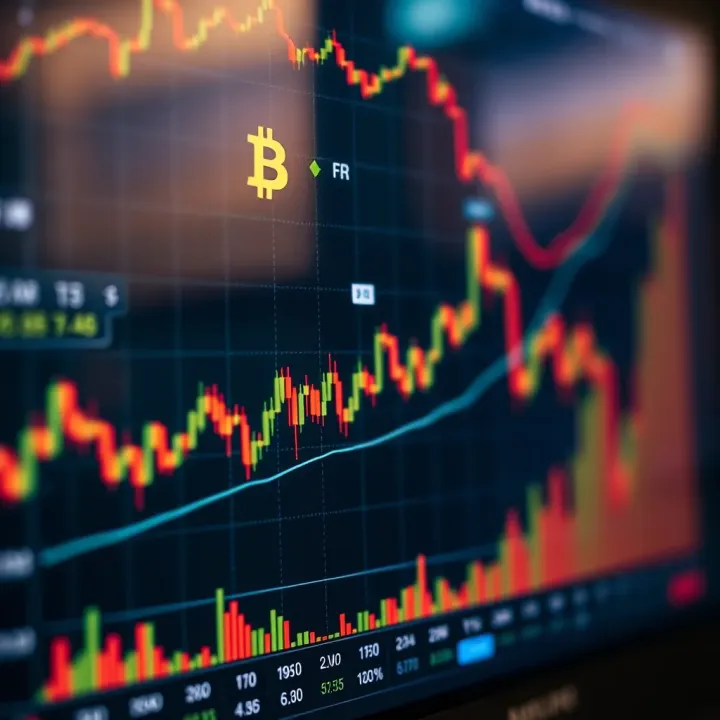
📈 Explore crypto trading courses in Pakistan designed for investors! Learn trading basics, course features, practical skills & stay aware of local regulations safely.
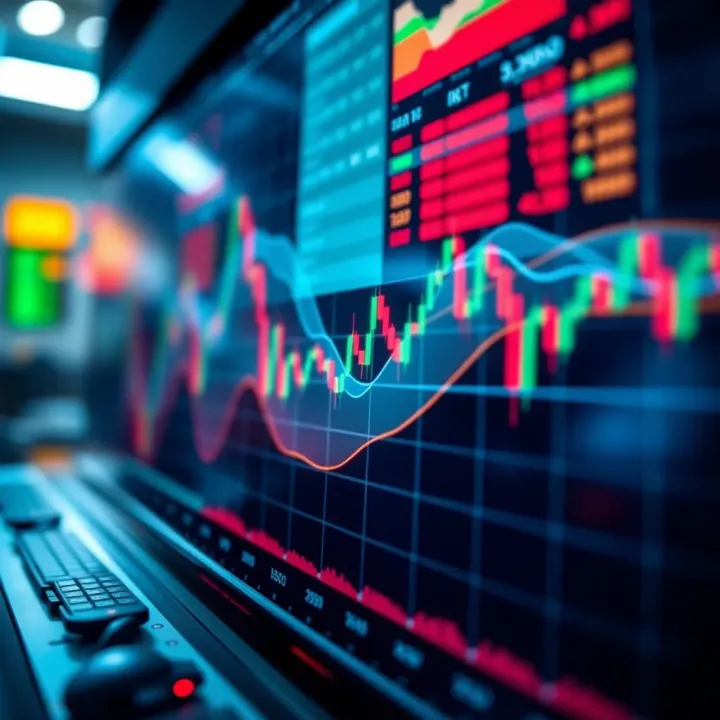
📊 Discover the best crypto trading indicators that give clear insights and practical tips, helping Pakistani traders make smarter decisions in the market. 🚀
Based on 14 reviews