
Effective Risk Management in Project Management
Manage project risks effectively in Pakistan 🌟 Identify and assess risks confidently, apply practical controls, and overcome common challenges in local projects.
Edited By
Charlotte Walker
Operational risk management is a vital part of today’s financial and trading environment in Pakistan. It involves pinpointing risks that arise not only from market fluctuations but also from internal events like system failures, human error, and process inefficiencies. Unlike credit or market risk, operational risk can be trickier to measure but ignoring it can lead to hefty losses.
Many financial firms in Pakistan have encountered operational risks due to IT glitches or manual errors during back-office processing. For example, a brokerage house may face significant setbacks if trade settlements are delayed because of system downtime. Likewise, crypto traders who rely heavily on digital platforms must safeguard against hacking risks or transaction errors.

Identifying potential risk sources within internal processes and external environments
Assessing the likelihood and potential impact of these risks realistically
Implementing controls to reduce the chance of loss or minimise damage
Organisations that actively manage operational risks tend to improve not only compliance but also their overall resilience against unexpected disruptions.
For traders and investors, understanding these risks helps prevent sudden losses and ensures smoother operations. Risk management is not just about avoiding failures; it’s about anticipating where things could go wrong and setting up checkpoints or fallback plans.
The Pakistani financial sector faces unique challenges such as frequent power outages (loadshedding), infrastructure constraints, and evolving regulatory requirements from authorities like the Securities and Exchange Commission of Pakistan (SECP). Hence, operational risk management strategies must be tailored locally and incorporate technology, human resource training, and adherence to regulations to be effective.
Later sections will discuss practical methods to assess these risks, tools to mitigate them, and ways technology is shaping this landscape in Pakistan’s context.
Understanding operational risk is fundamental for any organisation aiming to remain resilient in today’s competitive market, especially in Pakistan’s evolving financial landscape. This type of risk arises from internal processes, human errors, technology failures, or external events that can disrupt business operations. Getting a grip on these risks helps organisations prepare better strategies, avoid costly mistakes, and protect their reputation.
Sources of operational risk typically include failures in internal controls, employee mistakes, system breakdowns, or even fraud. For example, a bank in Karachi might face operational risk if its transaction processing system crashes during peak hours, leading to delayed payments and customer dissatisfaction. External factors like regulatory changes or natural disasters also contribute to operational risk, impacting day-to-day business functions.
Unlike credit or market risks that deal with financial losses due to external market movements or borrower defaults, operational risk is rooted in how organisations conduct their operations. It is less about external economic changes and more about internal vulnerabilities. For instance, while market risk relates to a drop in stock prices, operational risk covers the failure of trading software or human error in executing trades.
Operational risks can cause significant financial losses that go beyond immediate monetary damage. A failed IT system or internal fraud can lead not only to direct losses but also reputational damage, which is harder to recover. Organisations face customer trust erosion, increased regulatory scrutiny, and potential legal actions, all of which hurt long-term viability.
In Pakistan, incidents like data breaches at major banks or errors in utility billing by WAPDA show how operational risk affects both financial and consumer confidence. For example, improper load-shedding schedules caused by poor operational coordination can trigger public backlash and financial penalties. Companies that manage these risks effectively tend to hold strong market positions and can avoid sudden shocks.
Operational risk management isn’t just about preventing losses; it’s about sustaining smooth operations and preserving brand value over time.
Given these realities, businesses—especially in sectors like finance, energy, and telecommunications—need to continuously identify and control operational risks to maintain profitability and customer trust. Understanding these risks in detail allows you, as investors or analysts, to gauge organisational health beyond mere financial statements and anticipate potential disruptions.
Managing operational risk efficiently starts with understanding its key steps, which form the backbone of any effective risk management strategy. These steps help organisations spot vulnerabilities early, assess their potential impact realistically, and implement practical controls. For traders, investors, and financial analysts in Pakistan, mastering these steps reduces unexpected losses and protects reputations.
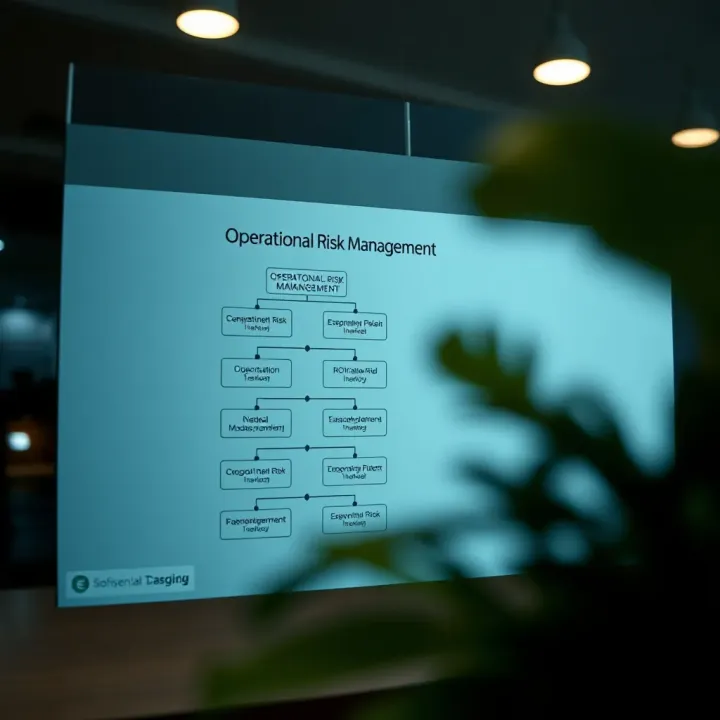
Process mapping and flowcharts are visual tools that outline each step in an organisation’s operations. By illustrating workflows clearly, they pin down where risks may hide—whether it is a weak approval process in a bank or delays caused by outdated software in a brokerage house. For example, a Karachi-based equity broker used process mapping to identify delays in trade confirmations due to manual steps; updating their system helped reduce errors and client complaints.
Incident reporting and loss data involve documenting all risk events, no matter how small. This practice provides a history that organisations can analyse to prevent repeats. In Pakistan’s financial sector, firms often struggle with incomplete records due to cultural hesitation in reporting errors. Encouraging transparent incident reporting gives access to real data, helping firms spot patterns such as recurring IT outages or compliance slip-ups.
Qualitative and quantitative methods balance numbers with expert judgement. Qualitative assessment includes interviews and workshops to understand risk attitudes and emerging threats, while quantitative techniques rely on data and metrics like loss frequency or monetary impact. A microfinance institution in Lahore combined both methods to assess credit system risks, blending staff feedback with portfolio performance data.
Risk scoring and prioritisation let organisations assign numerical values to risks, sorting them based on threat level and probability. By focusing on high-score risks first, firms avoid wasting resources on minor issues. For instance, a textile company in Faisalabad scored operational risks related to supply chain disruptions higher than office equipment failures, channeling mitigation efforts accordingly.
Internal controls and policies set rules to prevent or reduce risks. Controls might include segregation of duties, approval limits, or regular reconciliations. Policies ensure everyone knows their role, reducing errors and fraud chances. A local investment bank introduced strict authorisation processes for transactions above Rs 1 million, lowering unauthorised trades drastically.
Training and awareness programmes keep staff alert about operational risks and their impact. Continuous sessions foster a risk-aware culture, encouraging employees to spot and report issues quickly. For example, a Lahore-based insurer runs quarterly training on cybersecurity risks, helping reduce phishing incidents.
Regular risk reviews are scheduled evaluations of risk controls and trends. Frequent reviews prevent risks from being overlooked as business environments change. Many Pakistani companies hold monthly risk committee meetings to discuss emerging threats like regulatory changes or vendor failures.
Continuous monitoring keeps risk management alive and responsive, avoiding surprises that can hit hard in fast-moving markets.
Role of dashboards and key risk indicators (KRIs) is to provide real-time snapshots of risk levels through visual data points. Dashboards make it easy to track metrics such as transaction errors, system downtime, or fraud attempts. Financial firms using dashboards report better decision-making speed because red flags stand out clearly.
Together, these key steps form an actionable framework that Pakistani businesses can adopt, safeguarding their operations in the face of both expected and unforeseen challenges. Keeping processes transparent, data-driven, and people-focused makes operational risk management practical and results-oriented.
Technology has become an essential part of handling operational risk in today's fast-moving business environments. Organisations in Pakistan, especially within finance and trading sectors, increasingly rely on technology not just to identify risks quickly but also to manage them efficiently. Digital tools help cut down human error, improve monitoring, and speed up decision-making.
When choosing risk management software, firms should focus on features that suit their specific operations. Key aspects include real-time risk monitoring, incident tracking, and integration with existing systems like accounting or compliance platforms. For example, a stockbroker firm can benefit from software that alerts them when unusual trade patterns emerge, helping prevent loss from fraud or system glitches.
User-friendliness and customisable reporting are also crucial. Software should generate clear reports that help leadership quickly understand risk levels and trends. Otherwise, even the most advanced tools become underused, which defeats their purpose.
Regarding local versus global providers, Pakistani organisations must weigh the benefits of each carefully. Local vendors often offer products tailored to Pakistani regulations, such as State Bank of Pakistan (SBP) requirements, and provide better support during business hours. At the same time, global providers usually bring advanced features and security protocols honed over years of working with diverse clients.
Financial firms in Karachi or Lahore may choose a local solution for compliance alignment, but they could also opt for a global tool if it offers superior analytics or cloud-based flexibility. The decision depends heavily on cost, scalability, and the specific risks the organisation faces.
Using data analytics to detect risks early adds a practical layer of defence. By analysing transaction patterns, system logs, and employee behaviours, firms can spot anomalies before they escalate. For example, a bank using analytics might identify unusual withdrawal patterns pointing to fraud or cyber threats.
Automation plays a complementary role by streamlining control processes. Automated checks reduce the chance of oversight in repetitive tasks, like verifying client information or monitoring trading limits. This not only saves time but also ensures consistency, freeing up human resources for more complex risk decisions.
Many Pakistani financial institutions are now adopting automation for AML (Anti-Money Laundering) compliance and KYC (Know Your Customer) verification. These tools help maintain tighter controls despite increasing volumes of transactions, especially with the rise of digital payments platforms like JazzCash and Easypaisa.
Investing in the right technology tools can significantly reduce operational risk exposure while enhancing response speed—key advantages in Pakistan's dynamic financial markets.
In short, technology supports operational risk management by improving detection, control, and reporting capabilities. Organisations that leverage these tools thoughtfully stand a better chance at avoiding costly setbacks and maintaining trust with their clients.
Regulatory framework and compliance form the backbone of effective operational risk management in Pakistan. They define the minimum standards organisations must meet to control risks arising from internal processes, systems, and external events. More importantly, adherence to these frameworks helps firms avoid financial losses, reputation damage, and legal penalties. For financial traders, investors, and stockbrokers especially, understanding and aligning with local regulations ensures smooth operations and builds market confidence.
The State Bank of Pakistan (SBP) provides comprehensive guidelines on operational risk management for banks and non-bank financial institutions. These rules focus on identifying, assessing, monitoring, and mitigating risks through structured processes, including internal controls, risk reporting, and capital adequacy requirements. For example, SBP's Prudential Regulations mandate regular risk assessments and stress testing to prepare institutions for unexpected losses.
SBP guidelines also push organisations to implement robust information security measures. This is crucial given the rise of digital banking in Pakistan, where cyber threats have become a significant operational risk. By following SBP’s directives, banks can better safeguard customer data and maintain trust in the financial market.
The Securities and Exchange Commission of Pakistan (SECP) enforces corporate governance standards that include operational risk controls for listed companies and financial intermediaries. SECP mandates transparency, regular financial disclosures, and functioning audit committees to oversee risk management activities.
For investors and financial analysts, these requirements ensure companies maintain high operational standards and accountability. For example, SECP’s Code of Corporate Governance requires firms to establish risk management committees, which directly monitor operational risk exposures and mitigation strategies, aligning with international best practices.
For many Pakistani firms, especially in non-financial sectors, meeting regulatory requirements remains challenging. Limited resources, lack of skilled personnel, and data quality issues often impede effective compliance. Financial firms tend to be ahead due to stricter oversight, but even they struggle with integrating risk management systems seamlessly.
Moreover, evolving technologies and cyber risks require constant updates to compliance frameworks, which some companies find hard to keep up with. For example, smaller brokers or fintech startups may find it tough to implement sophisticated SBP-recommended controls without external support or investment.
Regulators in Pakistan have become stricter with penalties for non-compliance. The SBP and SECP impose fines, licence suspensions, and in some cases, criminal proceedings against entities ignoring operational risk guidelines. These penalties can run into millions of rupees, severely impacting a company's financial health and market reputation.
Case in point: In recent years, the SBP fined several banks for weak operational risk frameworks leading to fraud losses. These actions send a clear message that operational risk management is not optional but mandatory for maintaining market stability and investor confidence.
Strong regulatory frameworks combined with active enforcement encourage firms to institutionalise operational risk management, ultimately protecting the broader financial ecosystem in Pakistan.
In summary, both financial and non-financial firms must stay abreast of SBP and SECP guidelines and actively invest in compliance measures. This not only avoids penalties but enhances operational resilience, a critical factor for long-term success in Pakistan’s dynamic market environment.
Operational risk management (ORM) faces several hurdles in practice, especially within Pakistan’s financial and business sectors. Understanding common challenges like cultural resistance and data quality issues helps firms avoid costly pitfalls. On the flip side, applying best practices such as strong leadership commitment and ongoing training can greatly improve risk controls and organisational resilience.
Cultural resistance within organisations often stands as the main roadblock to effective ORM. In many Pakistani firms, risk management is seen as a compliance checkbox rather than a value-adding process. Employees may fear that admitting mistakes leads to blame or job insecurity, so they tend to hide errors instead of reporting them. For example, a bank employee hesitant to report system downtime might cause bigger disruptions that could have been mitigated early. Changing this mindset requires persistent effort and clear communication.
This resistance slows down the adoption of risk management frameworks and weakens enforcement. Leadership must demonstrate that risk reporting is welcomed and that the goal is learning and prevention, not punishment. Gradual cultural shifts through dialogue and incentives will make risk management more effective and embedded.
Data availability and quality issues also hamper operational risk assessments. Many organisations in Pakistan still rely on manual record-keeping or fragmented systems, leading to incomplete or inconsistent data. Without accurate historical loss data or incident reports, measuring risk exposure becomes guesswork. This problem affects early warning signals and decision-making accuracy.
Moreover, lack of standardised data hampers meaningful aggregation and comparison across departments. A manufacturing company facing irregular record-keeping may overlook recurring operational failures or vendor risks. Investing in proper data collection tools and staff training on data entry clears this hurdle. Regular audits and reviews help maintain data integrity over time.
Leadership commitment is key for any risk management initiative to succeed. Top executives in Pakistani firms must visibly endorse ORM, allocate budgets, and hold teams accountable. When the CEO and directors actively promote risk awareness, the message filters down and employees begin taking responsibilities seriously.
For instance, a CEO who regularly discusses risk topics in meetings and links them to business goals makes operational risk management a strategic priority. This commitment encourages departments to integrate risk controls naturally, boosting effectiveness.
Continuous training and improvement keep the risk management process dynamic and well-adapted. Given the fast changes in business and technology, staff need regular updates on emerging risks, compliance requirements, and new control techniques. In Pakistan’s financial sector, where regulations evolve frequently, periodic workshops and e-learning modules help teams stay sharp.
Continuous training also builds confidence in risk tools and reporting systems. Companies that establish feedback loops—where lessons from risk incidents lead to updated guidelines and skills—prevent repeat failures and deepen organisational resilience.
Strong leadership combined with ongoing learning creates a culture where operational risk management is part of everyday business, not just an annual exercise.
In summary: Overcoming cultural and data challenges requires patience and strategic actions. Leadership’s active role and constant capacity building are practical ways to embed robust operational risk management in Pakistani organisations.
Manage project risks effectively in Pakistan 🌟 Identify and assess risks confidently, apply practical controls, and overcome common challenges in local projects.

Learn effective forex trading strategies in Pakistan 🇵🇰 covering market analysis, risk management, legal steps, and platform choices for smarter, safer trades 📈.
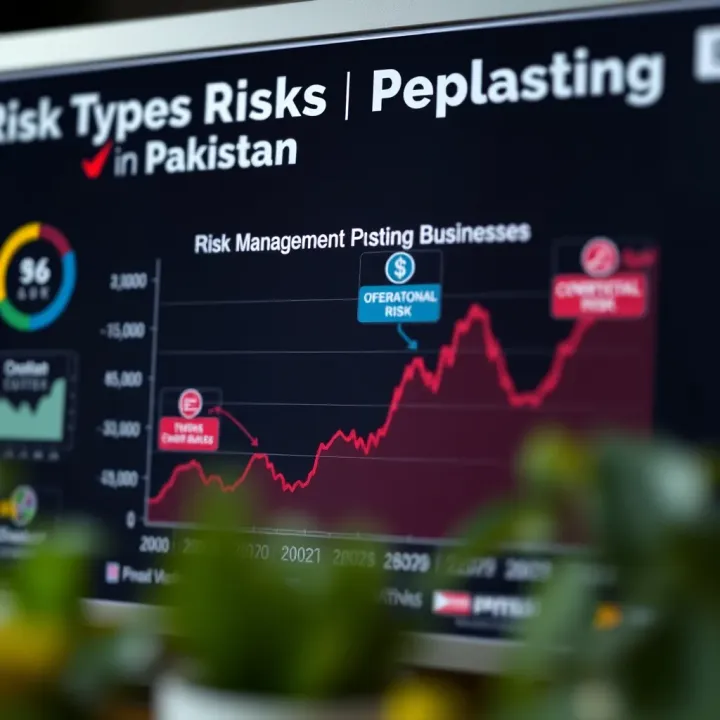
📊 Risk management is vital for Pakistani businesses to identify and control uncertainties, avoid financial losses, and thrive despite economic and regulatory challenges 🇵🇰.

📈 Discover effective binary trading strategies designed for Pakistani traders. Learn risk management, popular methods, and tips to optimise your trades in Pakistan’s market.
Based on 6 reviews