
Choosing the Best Forex Trading Indicator
Discover how to choose the right forex trading indicators 📊. Learn types, key qualities, popular picks, avoiding mistakes, and combining tools for smarter trades.
Edited By
Sophie Marshall
Forex trading sessions represent the specific hours during which currency markets are open around the world. Understanding these sessions is essential for anyone involved in forex trading, especially traders operating in Pakistan who need to adjust their timing according to Pakistan Standard Time (PKT).
The forex market operates 24 hours a day, five days a week, thanks to the overlapping hours of major financial centres in different countries. These markets are divided into four main sessions: Sydney, Tokyo, London, and New York. Each session has its unique characteristics affecting liquidity, volatility, and trading opportunities.
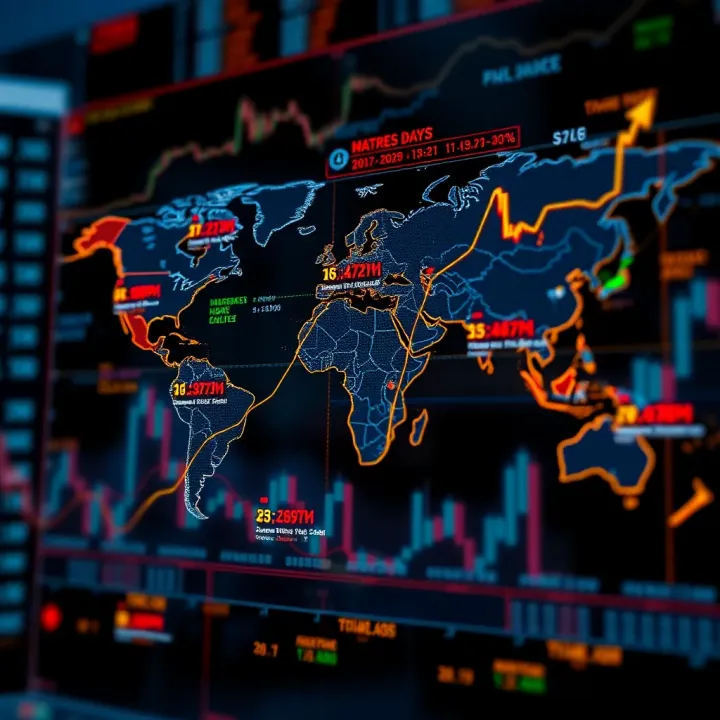
Sydney session: Opens around 9 pm PKT and closes at 6 am PKT. This session marks the start of the trading day but usually features lower volatility.
Tokyo session: Runs from 6 am to 3 pm PKT. It is known for moderate liquidity and influences Asian currencies like the Japanese yen.
London session: Active from 2 pm to 11 pm PKT, it is the most liquid and volatile session, affecting major currencies like GBP, EUR, and USD.
New York session: Operates from 7 pm to 4 am PKT. It overlaps with the London session for a few hours, often causing higher market volatility and trading volumes.
Knowing the timings and behaviours of these sessions enables Pakistani traders to time their trades better, capture volatility spikes, and avoid periods of low activity.
The session overlaps are particularly crucial. For example, the overlap between London and New York sessions (7 pm to 11 pm PKT) typically sees the highest trading volumes and price swings, offering potential profit windows but also increased risk.
Practical trading strategies often revolve around these sessions. For instance, traders may prefer to open positions at the start of the London session if they want to trade the most liquid hours or focus on the Tokyo session for Asian currency pairs.
To trade effectively from Pakistan, always adjust the session timings according to PKT. Pakistan does not observe daylight saving time, so session overlaps may shift depending on daylight saving practices in London and New York. Keeping track of these changes is essential for timely execution.
In short, understanding when these sessions start, their overlaps, and associated volatility patterns helps traders in Pakistan optimise their forex strategies, carefully managing risk and exploiting market opportunities at the right hours.
Forex trading sessions are specific periods when currency markets around the world are open and active. Understanding these sessions helps traders identify the best times to enter or exit trades based on market activity levels and volatility. For Pakistani traders, knowing which session is live means better timing for trades and potentially lower spread costs.
Forex trading sessions refer to the hours when the major financial centres are open for business. Since forex operates 24 hours a day, sessions overlap and create windows of varying liquidity. For example, the Tokyo session focuses on Asian currencies, while the London session handles European pairs and the New York session drives US dollar activity. Recognising these sessions helps traders anticipate when markets are likely to move.
Different sessions influence currency behaviour differently. For instance, during the Tokyo session, pairs like USD/JPY and AUD/JPY tend to see more action. Pakistani traders can plan their day accordingly, especially if they prefer trading certain pairs.
Forex markets follow the business hours of their respective cities around the globe. Since Pakistan Standard Time (PKT) is UTC+5, traders need to convert session hours to local time. Time zone differences mean some sessions open while others close, creating overlaps that increase market liquidity and volatility.
Being aware of these time differences prevents missed opportunities or entering low-liquidity markets. For example, the London session starts around 10:00 am PKT, while the New York session begins late afternoon, around 2:30 pm PKT. This affects when traders in Pakistan choose to be active.
The four major forex markets are Tokyo, London, New York, and Sydney. Tokyo drives the Asian session, London is the hub for Europe, New York covers North America, and Sydney marks the Australasia window. Each market focuses on regional currencies and has distinct trading hours influenced by local business customs.
For example, the London market operates approximately between 10:00 am to 7:30 pm PKT, while New York opens from 2:30 pm to 11:00 pm PKT. Sydney begins much earlier, at the end of the night around 2:00 am PKT, and Tokyo follows soon after.
The forex market never sleeps because these sessions take turns opening and closing as the Earth spins. Time zones create overlaps, like when London and New York sessions are both open between 2:30 pm and 7:30 pm PKT, a period often marked by high trading volume and price movement.
Understanding session timings allows brokers and traders to manage risks better. For example, spreads tend to widen during off-hours or when only one session is active, possibly leading to less favourable trades. Pakistani traders can use this to avoid periods of low liquidity, reducing the risk of slippage or unreliable price quotes.
Being tuned in to forex trading sessions and their timing directly impacts a trader's potential to capitalise on market volatility and liquidity. This knowledge ultimately supports better decision-making and trade management.
Understanding the distinct characteristics of each forex trading session helps traders spot the best hours for their strategies. Each session reflects the unique market dynamics shaped by local economic activities, trader behaviour, and the currency pairs most actively traded. For Pakistani traders, grasping these nuances is key to timing trades effectively and managing risks.
The Asian session, represented mainly by the Tokyo market, operates roughly from 5:00 am to 2:00 pm Pakistan Standard Time (PKT). This early timing means traders in Pakistan often monitor this session right before their workday starts or during the morning hours.
During the Tokyo session, the market tends to be calmer with lower volatility compared to London or New York. However, liquidity stays steady, especially in currency pairs involving the Japanese Yen (JPY) such as USD/JPY, EUR/JPY, and AUD/JPY. Movements here often reflect economic releases from Japan, China, and other Asian economies, making this session important for those focusing on Asian currency pairs or commodities linked to this region.
The London trading session runs from 10:00 am to 7:00 pm PKT. This overlaps with most of Pakistan’s active business hours, providing ample opportunity for local traders to engage directly during peak market times.
London leads as the largest forex centre, bringing the highest liquidity and notable volatility. The session sees active trading in major pairs like GBP/USD, EUR/USD, and USD/CHF. Volatility spikes, especially in the first few hours of London opening, due to the inflow of orders after the quieter Asian session. This makes it ideal for day traders and scalpers looking to capitalize on strong price moves.
The New York session opens from 3:00 pm to 12:00 am PKT, aligning well with Pakistani evenings and late-night trading activities. Many local traders stay alert during this period to catch movements influenced by US economic data.
New York is the second largest forex hub and overlaps with the London session for a few hours, resulting in high trading volumes and sharp price swings. It heavily influences USD-based pairs like USD/CAD, EUR/USD, and USD/MXN. Economic announcements from the US and Canada during this session often trigger increased volatility, making it a preferred trading time for those aiming to ride big waves or hedge existing positions.
Knowing when these sessions open and close, along with their typical market behaviours, can help traders pick better entry and exit points. For example, a Pakistani trader focusing on USD/JPY may prefer the early Asian session, while someone specialising in GBP/USD should watch the London session closely.
By aligning your strategy with the characteristics of each session, you can better manage your time and risk, especially considering Pakistan’s own time zone and trading style preferences.
Session overlaps are periods when two major forex markets operate simultaneously. These overlaps boost market activity by combining liquidity from both zones, resulting in higher trading volumes and better price discovery. For traders in Pakistan, understanding when these overlaps happen can help pinpoint ideal times to enter the market with tighter spreads and more predictable moves.
The London-New York overlap occurs from roughly 1:30 pm to 5:30 pm PKT, coinciding with the afternoon in London and morning in New York. This period sees the highest volume of forex trading globally since both of the biggest financial hubs are actively trading. For Pakistani traders, this overlap brings excellent liquidity and volatility, useful for strategies requiring fast price movements, such as scalping or day trading.
The Tokyo-London overlap is shorter and less intense, lasting roughly from 10:30 am to 12:30 pm PKT. It links the tail end of the Asian session with the start of the European session. While liquidity isn’t as high as the London-New York overlap, this period still offers notable trading opportunities, especially in currency pairs involving JPY and GBP. Pakistani traders focusing on Asian-European cross pairs often find this overlap useful for spotting early market trends.
Overlaps bring together traders from different regions, increasing the number of active participants. More players mean enhanced competition and tighter bid-ask spreads. For instance, during the London-New York overlap, major pairs like EUR/USD and GBP/USD tend to have the narrowest spreads, making it cost-effective to open and close positions. This environment suits traders who rely on frequent trades and quick execution.
With greater liquidity, the market also experiences sharper and more frequent price swings during overlapping sessions. These movements create chances to capitalise on price momentum but also raise risks for traders caught on the wrong side. For example, unexpected economic news released in the US during the London-New York overlap can trigger swift USD strength or weakness. Pakistani traders should be ready with risk management techniques during these volatile hours.
Recognising and trading during session overlaps can significantly improve a trader’s ability to exploit market liquidity and volatility, which is key to successful forex trading from Pakistan.
Understanding session overlaps is a must for traders looking to align their activity with the most dynamic market periods, maximizing their potential gains while managing risks effectively.
Timing plays an essential role for forex traders in Pakistan due to the global nature of currency markets. Knowing when to trade helps avoid low liquidity periods and capitalise on higher volatility — key factors in maximising profits and managing risk. Traders must consider how international market hours align with Pakistan Standard Time (PKT) and how different trading styles fit various sessions.
Adjustments for daylight saving time abroad are important since markets in London and New York change their clocks during summer months. For instance, London moves ahead by one hour in late March and back in late October, shifting Pakistan's relative trading times by one hour. Traders should adjust their watch accordingly or consult updated market schedules to avoid missing opportunities or entering trades at unfavourable times.
Daily trading windows for Pakistani traders usually start early in the morning with the Asian session (Tokyo) opening around 5 am PKT and end with the New York session closing by late evening. This means traders in Pakistan often work during overlapping sessions like London-New York in the afternoon to evening hours PKT. Planning trades around these windows yields better access to liquidity and sharper price movements than trading during quiet hours.
Scalping during high volatility periods fits well with the London-New York overlap when market activity surges. This period, typically between 2:30 pm and 6:30 pm PKT, offers rapid price changes across major pairs like EUR/USD and USD/PKR. Scalpers thrive by executing multiple quick trades in these bursts, exploiting small price fluctuations that quieter sessions seldom provide.
Swing trading in quieter sessions benefits from holding positions over longer terms, avoiding excessive market noise. Asian sessions, running roughly 5 am to 2 pm PKT, often exhibit lower volatility, allowing swing traders to better assess trends and manage risk. This suits traders who prefer fewer trades but with more considered timing.
Pairs with USD during the New York session gain liquidity due to significant US market participation. Popular pairs like USD/PKR, USD/EUR, and GBP/USD typically show strong volume between 6 pm and 2 am PKT, coinciding with US market hours. Trading these pairs during this session results in tighter spreads and more predictable price action.
JPY pairs in the Asian session command much attention between 5 am and 2 pm PKT as the Tokyo market leads trading activity. Pairs like USD/JPY and AUD/JPY often move more during this window, reflecting economic news and market sentiment originating from East Asia. Pakistani traders focusing on JPY pairs find this session aligns perfectly with local market open times.
Understanding the timing and characteristics of forex sessions relative to PKT helps Pakistani traders pick the best trading windows, avoid unnecessary risks, and fine-tune their strategies for more effective results.
By matching your trading style and currency pairs to the right sessions, you can make better decisions whether you scalp during high volatility or swing trade in calmer markets.
Managing forex trades effectively across different trading sessions can significantly improve your chances of making consistent profits. Understanding when market activity is high and when it slows down helps you avoid unnecessary risks and spot more reliable opportunities. This section covers essential tips to help you navigate the market based on session timings and market behaviour.
Trading during market closures or lull periods can cause serious issues. When major forex markets are closed or overlap is minimal, liquidity drops sharply. This means fewer buyers and sellers actively participating, which often results in wider spreads and unpredictable price jumps. For example, if you try trading during the gap between the New York and Tokyo sessions, you might notice the spreads getting thicker and prices suddenly jumping without much volume support. This can eat away your profits or cause unexpected losses.
Spreads and slippage tend to worsen during these low liquidity times. Spread is the difference between the buying and selling price of a currency pair, and a wider spread increases your transaction costs. Slippage happens when your order executes at a different price than requested, often due to low market participation or fast price movements. Say you place a stop-loss order on USD/PKR during a quiet period; slippage might trigger the order at a worse price, increasing your loss. Awareness of these factors is crucial to avoid costly trading errors, especially for scalpers and day traders who depend on narrow spreads and precise entries.
Scheduling your trades around economic news announcements is a simple yet effective way to avoid uncontrolled volatility. Economic calendars list upcoming events like SBP interest rate decisions, US non-farm payroll reports, or Pakistan’s trade balance updates. These announcements often trigger sharp price movements in related currency pairs. Planning your trades to either avoid or capitalise on these moments can protect your capital or boost gains.
Volatility spikes during news releases can be double-edged. While some traders thrive on sudden market swings, unprepared traders might face large, unexpected losses. For instance, if you hold a position during a surprise announcement about Pakistan's inflation figures, price gaps can instantly widen and stop-losses might not execute as intended. To minimise such risks, many traders choose to close or reduce exposure before major news or place wider stop-loss orders, giving trades room to breathe during volatile times.
Consistently checking an economic calendar and adjusting your trades around key reports helps manage unpredictability, improves timing, and can be the difference between profit and loss.
By combining awareness of low liquidity periods and careful scheduling around news events, you can better manage your forex trades across sessions. This strategy reduces your exposure to unnecessary risks and enhances your chances of successful trades in the dynamic forex market.
Discover how to choose the right forex trading indicators 📊. Learn types, key qualities, popular picks, avoiding mistakes, and combining tools for smarter trades.
Looking for the best forex trading platform in Pakistan? Discover top features, security tips, and cost comparisons to match your trading style and needs! 💹🇵🇰
Looking for the best forex trading app in Pakistan? Discover top-rated platforms with reliable features, easy use, and secure trading options 📱💰
📊 Discover practical, effective strategies for trading binary options in Pakistan! Learn risk management, technical indicators, and smart market analysis to boost your success.
Based on 5 reviews