
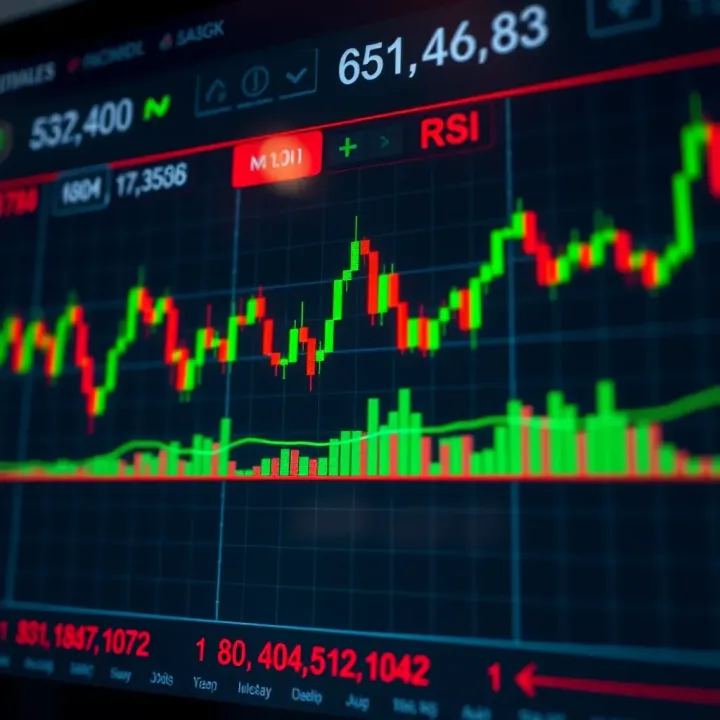
Choosing the Best Forex Trading Indicator
Discover how to choose the right forex trading indicators 📊. Learn types, key qualities, popular picks, avoiding mistakes, and combining tools for smarter trades.
Edited By
George Lawson
Gold has long been considered a reliable store of value, especially during times of economic uncertainty. In forex trading, gold operates not just as a precious metal but also as a safe-haven asset and an alternative currency. Traders in Pakistan and worldwide often use gold to hedge risks, diversify portfolios, or take advantage of price volatility.
Unlike traditional currencies like the US dollar or euro, gold does not depend on any government or central bank. This independence makes its price sensitive to global factors such as geopolitical tensions, inflation rates, and central bank policies. For example, when the US Federal Reserve raises interest rates, gold prices often experience downward pressure as investors seek higher-yielding assets.
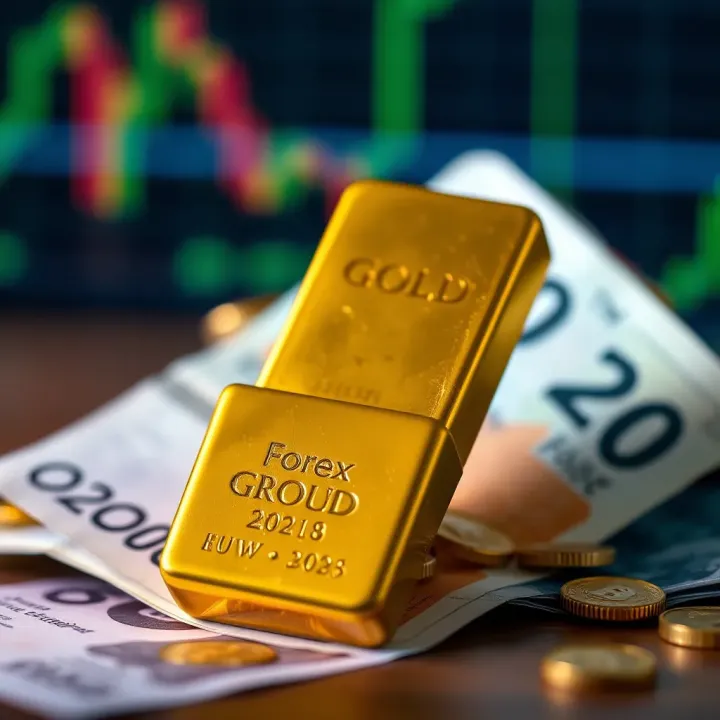
In the Pakistani context, gold trading draws extra attention during periods of rupee depreciation or increased political instability. Many local investors turn to gold as a safeguard against currency volatility or inflation. Hence, understanding gold’s behaviour in international markets alongside domestic economic conditions is essential for effective trading.
Gold’s unique position as both a commodity and a currency alternative requires traders to track diverse economic indicators and market sentiment closely.
USD strength: Gold generally moves inversely to the US dollar since it is priced in USD internationally.
Inflation expectations: Rising inflation often pushes investors towards gold as a hedge.
Geopolitical risks: Conflicts or trade tensions increase demand for safe assets like gold.
Central bank actions: Buying or selling of gold reserves by major central banks affects supply and demand.
For efficient forex trading with gold, incorporating these factors into analysis helps anticipate price moves and manage risks wisely. Pakistani traders should also consider local regulatory requirements, taxation on gold investment, and access through Pakistani platforms like the Pakistan Mercantile Exchange or local brokers.
In the following sections, we’ll explore popular trading strategies involving gold, the market characteristics unique to this asset, and how to integrate gold smartly within forex portfolios.
Gold holds a distinctive place in the forex market due to its dual role as a precious metal and a financial asset. Traders across Pakistan and worldwide turn to gold for diversification, risk management, and as a buffer against currency fluctuations. Understanding how gold fits into forex trading can help investors make smarter decisions, especially amid Pakistan’s economic shifts and the PKR's volatility.
Gold's reputation as a safe haven grows stronger when economies are unstable. In situations like currency devaluations or political unrest, gold tends to retain value better than many currencies and stocks. For instance, during times of rupee weakness caused by trade deficits or inflation spikes, Pakistani traders may move capital towards gold to protect wealth from rapid depreciation.
This safety aspect isn’t just theory — historical data shows gold prices often rise when stock markets fall or when geopolitical tensions escalate. This makes it attractive for forex traders looking to shield portfolios from sudden shocks.
Gold does not depend on any government or central bank policies in the same way fiat currencies do. This independence allows it to act as an alternative currency, especially when confidence in traditional currencies like the US dollar or Pakistani rupee drops.
Traders use gold holdings to hedge against currency risks. For example, if inflation pushes the PKR down, holding gold can offset losses since gold prices typically increase in local currency terms. This hedging benefit makes gold attractive not only for those trading currencies but also for investors seeking to preserve purchasing power.
Gold’s price often moves inversely to the US dollar (USD). This means when the USD weakens, gold prices tend to rally, and vice versa. For forex traders, this correlation can provide additional clues when trading major currency pairs like USD/PKR.
By tracking gold’s movement along with currency pairs, traders can improve timing for entry and exit points. For example, if USD/PKR is falling while gold prices rise, it might signal weakening dollar strength and potential currency volatility in the Pakistani market.
In the forex market, gold is managed as a currency pair against the US dollar, symbolised as XAU/USD. This pairing shows how many US dollars are needed to buy one ounce of gold. Since the US dollar dominates global trade, XAU/USD serves as a benchmark for gold trading across the world, including Pakistan.
Trading XAU/USD allows traders to benefit from changes in gold prices expressed in dollars. For Pakistanis, it's essential to watch the USD exchange rate along with gold prices, because the PKR value converts from USD, impacting profit or loss when trading gold.
Spot gold trading involves buying or selling gold for immediate settlement. Prices reflect the current market rate, making spot trading popular among forex traders who want quick exposure without holding physical gold.
On the other hand, futures trading contracts gold for delivery at a later date and often uses leverage. Futures can offer more flexibility but also higher risks, as contracts may expire worthless if the market moves against the trader. Pakistani traders focusing on short-term speculation typically prefer spot trading for its simplicity and lower cost.
Gold Exchange-Traded Funds (ETFs) allow traders to invest in gold without buying physical metal. In Pakistan, although local ETFs are limited, international platforms provide access. ETFs track gold prices and provide liquidity without storage concerns.
Contracts for Difference (CFDs) offer another way to trade gold on margin, allowing a trader to speculate on price moves without owning gold outright. This is common in forex trading platforms available to Pakistani traders. CFDs provide leverage but require careful margin management due to price volatility.
Understanding gold’s function in forex trading helps Pakistani traders make informed choices, combining traditional knowledge of gold’s value with modern trading techniques and risks.
Gold works as a hedge against currency and economic risks.
XAU/USD is the key pair for gold trading.
Spot and futures differ in settlement and risk profile.
ETFs and CFDs offer flexible gold trading options.

This multifaceted role of gold makes it an indispensable asset in forex trading, especially for those navigating Pakistan's unique economic landscape.
Understanding the factors that influence gold prices is essential for forex traders who include gold (XAU/USD) in their portfolios. Unlike typical currencies, gold’s value reacts to a mix of economic indicators, global events, and market psychology. Recognising these drivers helps traders anticipate price movements more accurately and tailor their strategies accordingly.
Inflation trends and interest rates play a significant role in gold pricing. When inflation rises, the purchasing power of currency declines, prompting investors to turn to gold as a store of value. For example, during periods when Pakistan faces rising inflation—like when food and fuel prices spike—gold generally shows upward price momentum. Conversely, higher interest rates tend to make interest-bearing assets more attractive than gold, which pays no yield. If the State Bank of Pakistan (SBP) hikes rates to control inflation, gold prices often face downward pressure as investors shift towards fixed-income securities.
The US dollar strength and its effect on gold is also critical. Since gold is quoted in US dollars globally (XAU/USD), a strong dollar typically pushes gold prices down, making it more expensive for holders of other currencies, including the Pakistani rupee (PKR). For instance, when the dollar strengthens against the PKR due to rising US Treasury yields or safe-haven demand, gold prices usually dip. On the flip side, a weak dollar often boosts gold as it becomes comparatively cheaper, encouraging buying interest.
Geopolitical tensions and market sentiment can cause swift swings in gold prices. Whenever conflicts escalate, such as tensions in the Middle East or trade disputes between big economies, traders flock to gold as a safe haven. In Pakistan, geopolitical events coupled with regional uncertainties can create spikes in gold demand, pushing prices higher. Market sentiment driven by fear or uncertainty often outweighs technical fundamentals, causing volatility helpful for day traders but risky for inexperienced investors.
Central bank gold reserves and policies have a direct impact on gold’s supply-demand balance. Many countries, including major economies, gradually increase or decrease their gold holdings to stabilise their currency reserves. For example, if the SBP decides to bolster its gold reserves to hedge against currency risks, it could support gold prices in the local market. Global players like the US Federal Reserve or the European Central Bank also influence prices by their monetary policies concerning gold reserves.
The supply and demand dynamics in the commodities market influence gold prices beyond financial factors. Gold mining output, geopolitical disruption in mining countries, and jewellery demand—especially during festival seasons like Eid and weddings in Pakistan—affect prices. For example, if new mining restrictions affect production in South Africa or China, global gold supply tightens, pushing prices up. Similarly, surges in demand during cultural events create seasonal price boosts.
Impact of financial crises and pandemics is another key driver. During the 2008 financial crisis and the recent COVID-19 pandemic, gold acted as a hedge, resulting in price surges due to flight-to-safety buying. Such events create economic uncertainty that undermines confidence in fiat currencies and stocks, leading traders to buy gold. In Pakistan where market volatility is frequent, understanding these cycles can help traders position early for potential gold rallies.
Traders focusing on gold in forex should keep a close eye on these indicators. Combining economic data with geopolitical analysis provides a clearer picture of gold price direction and helps avoid surprises due to sudden market shifts.
This knowledge enables more informed decision-making for traders aiming to use gold as a portfolio hedge or speculative instrument in volatile market conditions.
Trading gold in the forex market requires a clear plan, paired with effective strategies to navigate its often-volatile price movements. Unlike standard currencies, gold reacts strongly to economic shifts and geopolitical events, so traders need both technical and fundamental tools to make informed decisions. Let’s break down approaches that help you anticipate price changes and manage your trades efficiently.
Support and resistance are price points where gold's price tends to stop and reverse. For example, if gold hits Rs 300,000 per tola multiple times without falling below, that becomes a support level. Conversely, a frequent ceiling price, say Rs 310,000, forms resistance. Traders watch these levels to time entry and exit, buying near support and selling near resistance. This technique helps avoid chasing prices and getting caught in false breakouts.
Moving averages smooth out price data to reveal underlying trends. A simple 50-day moving average, for instance, shows gold’s average price over the past 50 days. When prices cross above this average, it signals an upward trend; crossing below indicates a downtrend. Pakistani traders often combine short-term (e.g. 20-day) and long-term (e.g. 200-day) averages to spot trend changes early, helping in placing timely buy or sell orders.
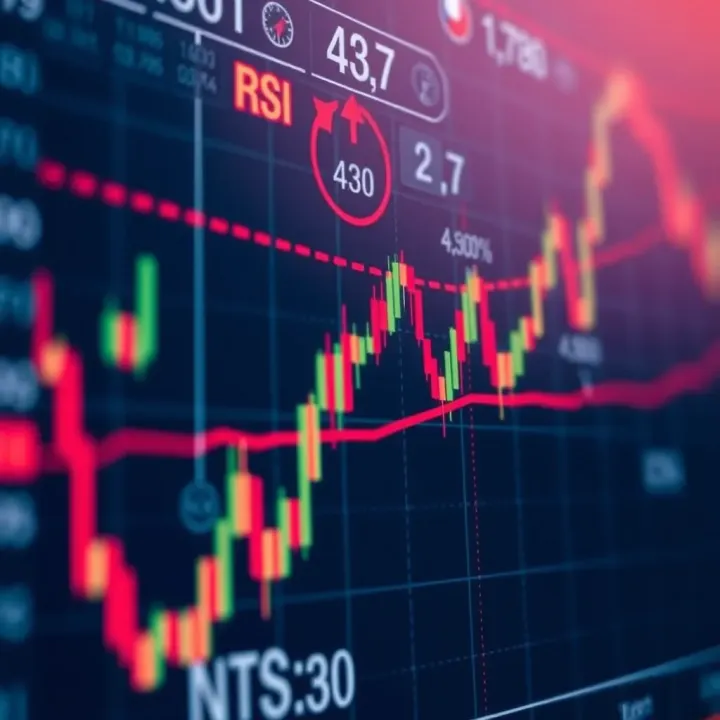
Relative Strength Index (RSI) measures if gold is overbought or oversold on a scale of 0 to 100. Values above 70 suggest potential price drops, while below 30 indicate possible price rises. MACD (Moving Average Convergence Divergence) helps confirm trend direction by comparing two moving averages. Using RSI and MACD together gives traders extra confidence, reducing the risk of acting on sudden, misleading price moves.
Gold prices often react to key economic reports like inflation figures, unemployment rates, or Pakistan's trade balance. For example, high inflation may cause gold to rise as investors seek protection against declining purchasing power. Keeping an eye on such data, especially from the US and Pakistan, lets traders predict market sentiment shifts ahead of time.
Decisions by central banks, including the State Bank of Pakistan (SBP) and the US Federal Reserve, influence gold directly. Interest rate hikes usually make holding gold less attractive, leading to price drops. Conversely, rate cuts or easing monetary policies can lift gold prices. Following SBP’s monetary policy statements helps Pakistani traders align their positions with domestic currency trends and international gold prices.
Political uncertainty, conflicts, or sanctions can spark a rush to gold as a safe haven. For example, tensions in the Middle East or sudden trade disputes often send gold prices soaring. Tracking these events enables traders to react quickly, either by buying gold during uncertainty or selling when stability returns.
Selecting a broker regulated by the Securities and Exchange Commission of Pakistan (SECP) or equivalent bodies ensures legal protection and security. Look for brokers offering gold trading through spot, CFDs, or ETFs with transparent fees. Many Pakistani traders prefer brokers that support local deposit options like JazzCash and Easypaisa along with PKR accounts to avoid currency conversion hassles.
Gold trading can be tempting with high leverage, but this increases risk significantly. For instance, using 1:100 leverage may amplify gains but can wipe out capital quickly during sudden price swings. It’s wise to start with lower leverage and maintain sensible stop-loss orders to limit potential losses.
Since gold is quoted against the US dollar (XAU/USD), PKR/USD exchange rates affect profits when converting back into rupees. A weakening PKR can boost returns for gold traders in Pakistan, while a stronger PKR might reduce them. Monitoring exchange rate trends alongside gold prices helps in deciding the best time to trade or convert earnings.
Successful gold trading in forex demands a blend of sharp technical tools and an understanding of global economics, especially in Pakistan’s dynamic market context. Applying these strategies can help you trade gold not just wisely but profitably too.
Trading gold in the forex market carries its own unique risks that every trader must grasp before diving in. Understanding these risks helps you make informed decisions, avoid unnecessary losses, and manage your investments smartly. From price swings to trusted brokers, the gold market can be rewarding but unforgiving without proper care.
Gold prices often show sharp movements over short periods. This volatility arises due to changes in economic outlooks, currency values, or geopolitical tensions. For example, a sudden rise in inflation figures or an unexpected policy announcement from the US Federal Reserve can send gold prices climbing or tumbling within hours. Traders should expect these swings and prepare accordingly, instead of reacting impulsively.
Global economic announcements visibly affect gold’s price. When central banks like the US Federal Reserve or European Central Bank adjust interest rates or signal future economic policies, gold traders promptly reassess risk and liquidity. Political unrest or conflicts also trigger sudden surges, as investors seek safety. Pakistani traders, in particular, notice these effects when local monetary policy or Rupee fluctuations coincide with global events, creating layered price reactions.
Managing market noise is crucial to avoid false signals that appear as promising but lead to losses. Gold trading charts often show erratic short-term moves that may confuse even skilled traders. Using technical tools like moving averages or RSI helps filter out ‘market noise’ and identify genuine trends. Moreover, combining technical signals with fundamental news analysis reduces the chance of jumping into trades based on misleading cues.
Choosing a broker regulated by the Securities and Exchange Commission of Pakistan (SECP) or an internationally recognised authority provides a safety net. Regulatory oversight ensures brokers adhere to transparency, fair pricing, and proper client fund protection. For instance, traders edging into gold forex without verifying their broker's licence risk unfair trade execution or withdrawal issues.
Unregulated platforms often promise attractive spreads and bonuses but carry higher fraud risks. There have been cases where Pakistani traders lost money to such dubious brokers, who vanish after collecting deposits. Thus, working with reputable, regulated brokers gives traders confidence their money and trades are secure.
Reliable and secure payment gateways are equally important. Whether funding your account through JazzCash, Easypaisa, or bank transfer, the payment process must be safe and swift. Secure gateways avoid delays or transaction failures, which can cause missed trade opportunities or exposure to price jumps. Pakistani traders should always confirm the broker supports trusted local payment methods with robust encryption.
Remember, the safety of your funds and the transparency of your broker form the bedrock for successful gold forex trading. Don’t compromise on these aspects for short-term gains.
By appreciating volatility, recognising the power of global announcements, and carefully selecting regulated brokers with secure payments, Pakistani traders can navigate gold forex's risks more effectively. This prudence helps maximise rewards while limiting potential pitfalls in the volatile currency-gold interplay.
Including gold in a forex portfolio offers traders a way to spread risk and tap into an asset that often moves independently of traditional currencies. This diversity helps protect investments when currency pairs experience volatility or uncertainty. Particularly for Pakistani traders facing PKR fluctuations and global economic shifts, gold serves as a stabiliser within a varied portfolio.
Gold tends to have a low or negative correlation with many major currency pairs, especially those tied closely to the US dollar. For instance, when the US dollar weakens, gold prices generally strengthen, and vice versa. By mixing gold with currency pairs like EUR/USD or USD/PKR, traders can balance potential losses in one asset with gains in another. This balance reduces overall portfolio risk and smooths returns.
Gold acts as a buffer against currency depreciation, making it a handy tool for hedging. For example, if the Pakistani rupee weakens due to political instability or inflationary pressures, gold priced in USD might retain value or rise, offsetting forex losses. Traders can allocate a portion of their portfolio to gold to protect against sudden PKR drops, especially during periods of high inflation or monetary easing by the State Bank of Pakistan.
Regularly rebalancing is key to maintaining an optimal gold-to-currency ratio. For example, if gold prices surge sharply amid geopolitical tension, a trader might take profits by selling some gold and increasing positions in undervalued currency pairs. Conversely, during a weakening dollar phase, increasing gold holdings can enhance portfolio resilience. Rebalancing based on market signals helps align risk with changing conditions and economic forecasts.
Long-term gold traders often view gold as a store of value, holding positions for months or years to capitalise on inflation trends or prolonged currency weakness. This approach requires patience but less frequent trading. Short-term traders, however, focus on price volatility and technical signals, entering and exiting positions within days or hours. Short-term trading demands quick decision-making and can expose traders to higher risk due to market noise.
Consider a Pakistani trader who bought gold in mid-2022 during a PKR dip caused by external debt concerns. By holding gold for six months, the trader protected their portfolio as gold prices rose, offsetting forex losses. Meanwhile, a day trader might capitalise on sharp price swings caused by US inflation data, using RSI and MACD indicators to enter and exit multiple trades in one session, making small but frequent profits.
Gold in forex markets enjoys high liquidity, especially in popular pairs like XAU/USD. This liquidity means traders can execute large volumes without causing significant price shifts, which suits both long-term investors and scalpers. However, trading volumes can thin during regional holidays or market closures, so Pakistani traders should plan trades accordingly, avoiding periods like Eid when liquidity typically shrinks.
Integrating gold thoughtfully can enhance a forex portfolio's stability and growth potential, especially by balancing asset correlations, protecting against currency risk, and adjusting strategies for both market trends and personal risk tolerance.
Discover how to choose the right forex trading indicators 📊. Learn types, key qualities, popular picks, avoiding mistakes, and combining tools for smarter trades.
Looking for the best forex trading platform in Pakistan? Discover top features, security tips, and cost comparisons to match your trading style and needs! 💹🇵🇰
Looking for the best forex trading app in Pakistan? Discover top-rated platforms with reliable features, easy use, and secure trading options 📱💰
📊 Discover practical, effective strategies for trading binary options in Pakistan! Learn risk management, technical indicators, and smart market analysis to boost your success.
Based on 10 reviews