
How to Use a Binary Multiplication Calculator
📊 Learn how to multiply binary numbers with ease using a binary multiplication calculator! Step-by-step methods and key digital applications explained for students & pros.
Edited By
George Lawson
An economic calendar is a simple yet powerful tool for anyone involved in trading or investing, especially in Pakistan's dynamic market. It lists upcoming economic events like State Bank of Pakistan (SBP) policy announcements, inflation reports, GDP releases, and foreign exchange reserves updates. These events often affect market movements sharply, so knowing when they come up can help you plan your trades better.
For example, when the SBP announces its policy rate decisions, the stock market and currency exchange rates often react within minutes. Likewise, inflation data can shift investor sentiment, influencing stocks, bonds, and even commodity prices such as oil or gold, which are important for Pakistani investors keeping an eye on global markets.
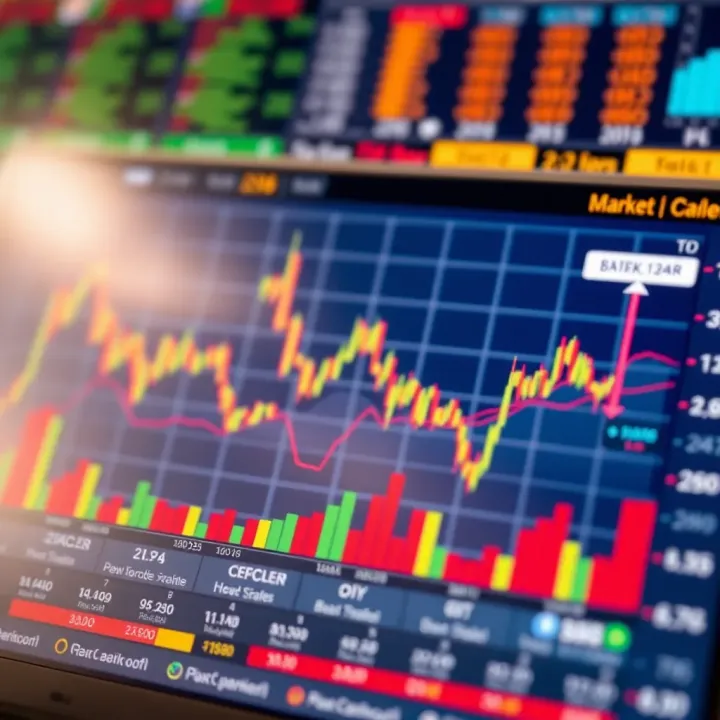
Using an economic calendar means you can anticipate these moments instead of reacting after changes hit. By marking these events in your trading plan, you avoid surprises that might lead to losses. This works not only for equities on the Pakistan Stock Exchange (PSX) but also for crypto traders who watch global indicators like US Federal Reserve meetings or Chinese manufacturing data.
Monitoring key economic releases on your calendar allows you to stay one step ahead, balancing risk and opportunity effectively.
Check Dates and Times Carefully: Events are listed with dates and often specific times; these may be in PKT or another timezone. Adjust for your local market hours.
Understand Event Impact: Some events have a greater market impact than others. For instance, SBP’s policy announcement is usually high impact, while smaller trade balance updates may be less so.
Prepare Your Strategy: Before high-impact events, reduce your exposure or set stop-loss orders to manage risk.
Follow Results and Reactions: After releases, watch how markets respond to validate your expectations or adjust your positions.
By incorporating the economic calendar into your routine, you'll be better equipped to take advantage of price movements and protect your capital against sudden downturns. This disciplined approach adds an edge to investing in Pakistan’s often volatile financial markets.
An economic calendar is an essential tool for investors and traders, detailing upcoming economic events that can influence financial markets. Getting familiar with this calendar helps you anticipate market movements and make timely investment decisions. For instance, knowing when the State Bank of Pakistan (SBP) is set to announce its interest rate decision can prepare you for potential shifts in the rupee against the US dollar or movements in the Pakistan Stock Exchange (PSX).
Economic calendars list various indicators like inflation rates, GDP growth, employment figures, and trade balances, specifying when their reports will be published. For investors in Pakistan, the timing matters greatly since these releases often lead to sudden market reactions. For example, a higher-than-expected Consumer Price Index (CPI) report can trigger a drop in stock prices or lead the SBP to reconsider monetary policy.
Matching your trading strategy to these timings helps you avoid surprises. If you know the unemployment numbers for Pakistan are coming out on a particular day, you can choose to hold off major trades until market direction becomes clearer.
Economic calendars cover a range of events. Data releases include reports from the Pakistan Bureau of Statistics, like inflation and GDP figures. Central bank decisions, such as SBP’s monetary policy announcements, are also highlighted since they impact interest rates and liquidity.
Geopolitical events, though harder to predict, show up on some calendars. For example, government elections or changes in regional security can affect investor sentiment and currency stability. Tracking these helps you manage risk, especially in volatile times.
Economic reports directly influence market sentiment and price action. Consider the SBP’s decision to change the policy rate: this affects borrowing costs, consumer spending, and corporate profits. Investors who watch these announcements can act quickly to buy or sell equities, currency, or bonds accordingly.
Ignoring these reports means missing out on early entry points or protection from sudden losses. For example, if inflation spikes unexpectedly, investors aware of the data may adjust their portfolios by moving to sectors less sensitive to interest rates, like energy or utilities.
The economic calendar signals periods of high market volatility. Just before and after major releases, trading volumes and price swings often increase. This creates both risks and opportunities.
Savvy investors use the calendar to set up stop-loss orders and profit targets, protecting investments during uncertain times and positioning themselves to benefit when markets move sharply. For instance, traders might avoid opening large positions right before Pakistan’s GDP figures drop to avoid whipsaw price action.
Knowing when key economic information will be published allows you to prepare and react smarter, not just faster, boosting your chances of success in Pakistan's dynamic markets.
By integrating the economic calendar into your daily routine, you keep one step ahead. This tool helps you plan, avoid blind spots, and manage risk with greater confidence, making your investing approach more precise and informed.
Tracking major economic events is a must for investors aiming to navigate Pakistan's markets effectively. These events often shift market sentiment, influence asset prices, and create windows of opportunity or risk. Understanding their practical impact helps you time trades better and decide on portfolio adjustments.
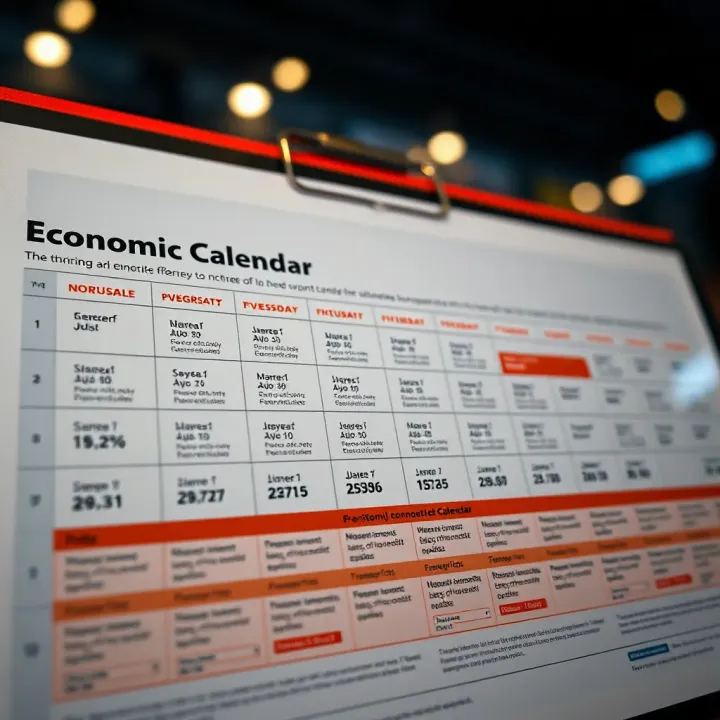
The State Bank of Pakistan regularly announces its monetary policy decisions, with the key focus on its policy rate. Changes in this benchmark rate affect lending costs across the economy and carry wide implications for investors. For example, when SBP hikes the policy rate to curb inflation, borrowing costs rise, often cooling demand in sectors like real estate and automobiles.
Investors track these announcements closely because they can trigger quick movements in the Pakistan Stock Exchange (PSX) and the PKR currency. A surprise hike or cut can lead to sharp reactions, and knowing the scheduled dates allows you to prepare your positions accordingly.
Interest rate changes by SBP influence both the stock market and currency values. Generally, a rate increase strengthens the PKR by attracting foreign investment seeking higher returns, but it can also pressure corporate profits and stock prices. Conversely, a rate cut tends to ease financing costs, supporting equities but sometimes weakening the currency.
Market reactions depend on whether the change matches expectations. If SBP keeps rates steady amid inflation concerns, it can cause volatility. Keeping tabs on SBP meetings through the economic calendar helps you anticipate these shifts, adjust stop-loss levels, or plan entry and exit points.
The Consumer Price Index (CPI) reflects the average change in prices paid by consumers and is a crucial gauge of inflation in Pakistan. The Pakistan Bureau of Statistics releases this data monthly, and it significantly influences market perceptions.
A rising CPI signals inflationary pressures, which may prompt SBP to raise rates. Conversely, a stable or falling CPI suggests contained inflation, possibly allowing more accommodative monetary policies. Investors use CPI data to anticipate central bank moves and adjust portfolios, particularly in sectors sensitive to price changes like food, fuel, and utilities.
Inflation impacts the Pakistani rupee and stock market differently. High inflation can erode PKR value, causing depreciation against the dollar. This affects import-dependent companies and prices of raw materials, squeezing margins.
Meanwhile, some sectors like energy or consumer staples may see share prices rise due to pricing power. Understanding CPI trends helps investors spot such nuances and avoid blanket assumptions about market moves.
Gross Domestic Product (GDP) reports offer a snapshot of Pakistan’s economic health. Published quarterly by the Pakistan Bureau of Statistics, GDP growth reflects business activity and consumer spending levels.
Strong GDP growth typically signals healthier corporate earnings and investment opportunities. For example, sustained growth above 4% can boost market confidence. Conversely, sluggish or contracting GDP growth often leads traders to reduce exposure to risky assets.
Being aware of GDP release dates through the economic calendar allows you to anticipate market trends tied to economic momentum.
Employment data and business confidence surveys reveal the economic mood and labour market situation. High unemployment can dampen consumer spending, affecting sectors like retail and real estate.
Business confidence indices indicate how optimistic or pessimistic companies feel about future conditions. Lower confidence points to possible cutbacks or cautious investment, while rising confidence supports higher equity valuations.
Investors who monitor these indicators alongside the calendar better grasp the full economic picture, improving decision-making beyond just headline numbers.
Major economic events like SBP rate announcements, CPI releases, and GDP reports act as signposts in Pakistan's financial markets. Using the economic calendar to track them can help you manage risks and capitalise on market moves with greater confidence.
An economic calendar is a handy tool for investors looking to plan their trades smartly around scheduled economic events. It helps you anticipate market movements by showing when important data or announcements will be released. This way, you can prepare for volatility rather than getting caught off guard; this is especially useful in Pakistan’s dynamic market.
Preparing for known volatility periods means recognising that certain events—like the State Bank of Pakistan’s interest rate decisions or Pakistan Bureau of Statistics’ inflation data—often cause sharp market swings. When these are due, trading volumes usually surge, and prices can jump unpredictably. If you spot such an event on your economic calendar, you might choose to avoid entering new positions just before it or tighten your risk controls. For example, a forex trader might refrain from opening large PKR/USD trades the day before SBP announcements to avoid unexpected losses.
Setting stop-loss and take-profit levels around these events is another practical step. Since volatility tends to spike, prices can hit your limits quickly. Setting stop-loss orders prevents heavy losses if the market moves against you, while take-profit orders lock in gains if the price goes your way. For instance, before the CPI release, an equity investor might set wider stop-loss levels on key PSX stocks due to increased uncertainty but still keep them in place to prevent a sharp downturn from wiping out profits.
Comparing actual results to market expectations is essential because markets factor in forecasts before data releases. If inflation comes in lower than expected, the Pakistani rupee may strengthen; if unemployment figures are worse than anticipated, stock markets might dip. Traders benefit from seeing the difference between the headline number and what was expected, rather than just reacting to the number itself.
Assessing implications for Pakistani equities and currency requires context. For example, if the State Bank signals a hawkish stance after an interest rate hike, banks’ share prices on PSX might rally, but industrial stocks could pull back due to higher borrowing costs. Similarly, a rise in inflation may pressure the rupee against the dollar, affecting exporters and importers differently. This analysis helps investors adjust their portfolios accordingly rather than merely following impulses.
Limiting exposure during uncertain events is a good way to protect your capital. Uncertainty around announcements like General Election results or major geopolitical developments can cause volatile swings. By reducing position sizes or temporarily stepping aside during these periods, you can avoid sudden losses.
Diversifying strategies ahead of major announcements also helps reduce risk. Instead of focusing all investments on one sector or asset, spreading bets across different industries or safe-haven options like gold can soften the blow from unexpected outcomes. For example, ahead of federal budget announcements, some investors increase holdings in consumer staples or utilities, sectors that usually stay stable irrespective of policy changes.
Keeping a close look at the economic calendar allows you to prepare your trades, interpret data meaningfully, and manage risk more effectively in Pakistan’s fast-changing markets. It’s less about guessing and more about planning ahead.
By using these practical steps, traders and investors in Pakistan can make wiser decisions and protect themselves from surprises that economic news often brings.
Using economic calendars tailored to Pakistan’s market helps investors and traders pinpoint events that directly influence local economic conditions and market behaviour. These calendars highlight key releases and announcements relevant to Pakistan's financial ecosystem, allowing for better timing of trades and informed decision-making amid local dynamics.
State Bank of Pakistan notifications
The State Bank of Pakistan (SBP) regularly announces policy rates, monetary measures, and economic projections that strongly impact interest rates, currency valuation, and borrowing costs within Pakistan. Tracking SBP notifications helps investors anticipate shifts in the market, such as changes in the policy rate that affect banking stocks or the rupee’s exchange rate against the US dollar. For example, the SBP’s decision to alter the policy rate in response to inflation trends often triggers immediate reactions in PKR trading.
Pakistan Bureau of Statistics releases
The Pakistan Bureau of Statistics (PBS) publishes official data like Consumer Price Index (CPI), trade balances, and employment figures. These reports offer insights into inflationary pressures, trade deficits, and overall economic health. Since these indicators underpin investors’ expectations, being aware of PBS releases enables more precise assessment of sectors sensitive to such data, such as consumer goods or export-driven industries listed on the Pakistan Stock Exchange (PSX).
Financial news portals covering PSX and FBR updates
Local financial news websites and portals provide timely updates about PSX market trends, corporate earnings, and fiscal matters handled by the Federal Board of Revenue (FBR). For traders, monitoring this info complements the economic calendar by adding depth to market context, particularly during tax amnesty deadlines or changes in customs duties. These portals often aggregate key announcements, offering a one-stop overview of relevant market-moving events.
Considering currency fluctuations and foreign reserves
Currency strength and foreign exchange reserves are key factors for Pakistan’s market stability. The rupee’s volatility can affect import costs, inflation, and corporate profits. By following economic calendar updates that signal shifts in foreign reserves or central bank intervention, investors can better prepare for currency-driven market moves. For example, a sudden drop in reserves might warn of rupee depreciation, affecting sectors reliant on imported raw materials.
Impact of government fiscal policies
Government decisions on taxation, subsidies, and budget allocations have immediate consequences on market sectors. Fiscal policies such as recent changes in excise duties or incentives for industries like textile or agriculture can shift stock valuations and investor sentiment. Staying alert to announcements around the federal budget or mid-year reviews through the economic calendar ensures investors factor in policy impacts when planning entry or exit points.
Keeping a close eye on Pakistan-specific economic events empowers traders and investors to navigate local market complexities with greater confidence and precision.
By using reliable local sources and understanding contextual economic factors, investors can spot opportunities and risks unique to Pakistan’s financial environment.
Using an economic calendar effectively can enhance your investment decisions, but several common pitfalls often trip up even experienced traders. Avoiding these mistakes helps you react logically to economic developments rather than emotionally, ensuring better outcomes in Pakistan’s volatile markets.
Overtrading around announcements often happens when investors jump into or out of positions immediately after economic releases such as the SBP’s interest rate decision or inflation reports. This rush to trade can lead to unnecessary transaction costs and expose you to unpredictable short-term volatility. For instance, after a CPI release showing higher inflation, many traders might hastily sell Pakistani equities without considering the overall economic context, losing potential gains when markets stabilise.
Misreading short-term market noise is another frequent error. Economic data sometimes sparks sharp price swings lasting minutes or hours before the market finds its direction. Treating this initial noise as a trend can prompt misguided decisions. For example, a sudden dip in the rupee following a negative GDP report may rebound quickly once investors absorb the details. Patiently observing price movements over several sessions instead of reacting instantly helps avoid costly mistakes.
Focusing only on calendar events without context misses the bigger picture. Economic indicators are important but work alongside factors like corporate earnings, global cues, and investor sentiment. Traders who watch only for scheduled announcements might overlook sustained downtrends or upswings driven by broader fundamentals. Take the PSX: even if inflation data looks stable, political instability or international market turmoil could still push prices down.
Neglecting corporate earnings and political developments reduces your understanding of market drivers. Economic calendars do not list upcoming company results or political events, yet these significantly affect asset prices. Ignoring an expected heavyload of corporate earnings announcements or upcoming elections in Pakistan leaves you blind to potential market moves. Balancing economic calendar insights with corporate filings and news enhances your investment edge.
Overlooking local economic cycles such as seasonal trade patterns, agricultural cycles, or fiscal policy timelines could distort your investment timing. For instance, Pakistan’s imports and exports often fluctuate around monsoon months, affecting currency and stocks. Ignoring these cycles while fixating solely on economic calendar events misses crucial market drivers.
Not accounting for load-shedding and other local risks like political instability, security issues, or infrastructural challenges leads to incomplete risk management. Traders relying only on data releases might be caught off guard by sudden power outages disrupting business operations and market sentiment in Pakistan’s urban centres. Factoring in these local realities alongside economic calendars builds a more resilient investment approach.
Avoiding these mistakes helps you use economic calendars as a tool rather than a trigger for rash decisions. Combining timely economic data with a grounded understanding of Pakistan's market context fortifies your investment strategies.
Remember, economic calendars guide you but don’t replace comprehensive market analysis and disciplined strategy.
📊 Learn how to multiply binary numbers with ease using a binary multiplication calculator! Step-by-step methods and key digital applications explained for students & pros.
Learn how binary conversion calculators work 🔢, their practical uses in programming & education, plus manual tips to easily switch between binary & decimal systems.
🔢 Explore how binary calculators work, learn binary basics, see step-by-step guides, and discover uses in tech and education for Pakistan readers.
Explore top forex trading apps in Pakistan 📈 Discover key features, security tips, and tools that enhance your trading decisions for smarter buys and sells.
Based on 7 reviews