
Best Forex Trading Platforms in Pakistan
Looking for the best forex trading platform in Pakistan? Discover top features, security tips, and cost comparisons to match your trading style and needs! 💹🇵🇰
Edited By
Henry Wilson
Forex trading runs 24 hours a day across the globe, but not all hours offer the same trading activity or opportunities. The market opens in one region and closes in another, creating a cycle of trading sessions. For a Pakistani trader, understanding these forex trading hours is key to making timely decisions and managing risks effectively.
Unlike stock markets, forex operates across different time zones and centres. The main sessions are Sydney, Tokyo, London, and New York. Each session has unique characteristics influenced by local economic events, market liquidity, and trader participation. For example, the London session tends to see higher volume due to the city’s role as a financial hub.
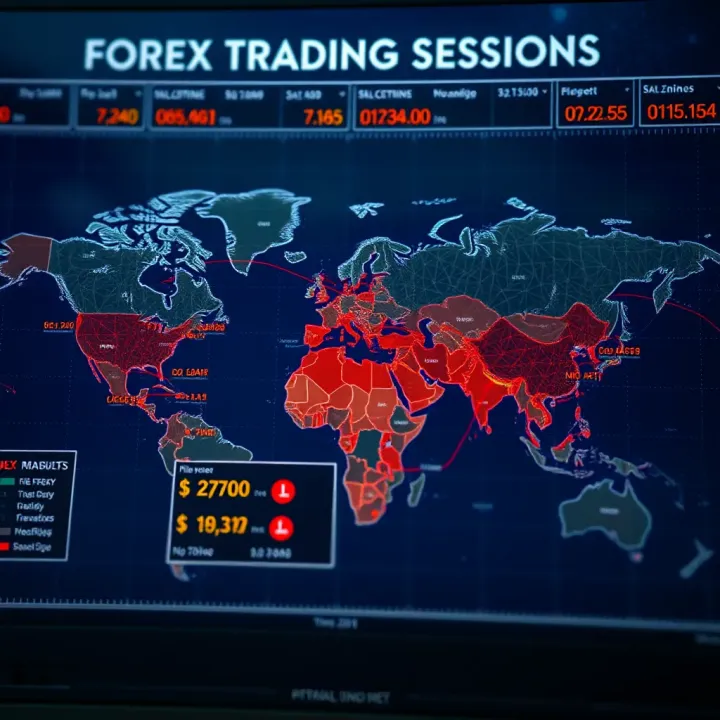
The overlap between sessions, particularly the London and New York ones (which occurs during Pakistan Standard Time from around 1:00 pm to 5:00 pm), usually presents the most volatility and trading chances. Prices can move sharply, offering entry and exit points for traders who time their moves right. Conversely, times outside these overlaps often have lower liquidity, meaning price spreads widen and trades may cost more.
Successful forex trading depends as much on timing as strategy. Knowing when markets are active helps avoid trading during quiet periods prone to erratic price swings.
Pakistani traders should consider their own local time zone while following these sessions. The forex market opens with the Sydney session at 12:00 am PKT and closes when New York session ends at 10:00 pm PKT, with intermittent overlaps.
Here’s a rough guide:
Sydney session: 12:00 am to 9:00 am PKT
Tokyo session: 3:00 am to 12:00 pm PKT
London session: 12:00 pm to 9:00 pm PKT
New York session: 1:00 pm to 10:00 pm PKT
Knowing these windows allows traders in Pakistan to align their activity with peak periods, reducing risks linked to low volumes and slippage. This understanding also helps in planning around economic news releases specific to each region, which affect currency pairs differently.
Next, we will look into how these sessions influence forex trading strategies and how you can better plan trades from here in Pakistan.
Understanding forex trading hours gives you a clear picture of when markets are most active, affecting price movements and trading opportunities. Knowing these hours helps you plan your trades better, avoid risky times when liquidity drops, and align your trading with major financial centres to tap into the best volatility periods. For example, in Pakistan, being aware of peak session times can help you avoid trading during low activity hours that might cause wide spreads or delayed order execution.
The forex market is unique because it operates 24 hours a day, five days a week. This continuous operation happens since there’s always a financial centre open somewhere in the world. This means you can trade currencies almost anytime, but the market’s activity level varies. For Pakistani traders, it’s important to know that while the market is always 'open', liquidity and volatility aren’t consistent all day long—certain hours witness heavy trading, while others remain quiet.
The forex market’s timings match closely with the operating hours of key financial hubs like Tokyo, London, and New York. These centres set the pace for trading activity because they host the largest banks and institutions involved in currency trading. For instance, the London session is particularly significant for Pakistani traders dealing in EUR or GBP pairs, as the market sees major volume spikes during its open hours, offering potential for stronger price moves.
Forex trading hours are often referenced in Greenwich Mean Time (GMT), but Pakistan Standard Time (PKT) is GMT +5 hours. This time difference means the market sessions happen at different local times. For example, when the New York session starts at 8:00 am GMT, it’s 1:00 pm PKT. Understanding this shift helps Pakistani traders catch sessions at appropriate local hours without confusion.
Adjusting global forex session timings to your local PKT matters for effective trading. Many platforms allow you to set your time zone, so session charts and indicators reflect your local time. By matching session hours to your daily routine and factoring in local issues like loadshedding, you can pick the best windows to trade while avoiding distractions or technical problems. For example, some traders may prefer trading the Asian session since its hours coincide with early mornings and late nights in Pakistan, offering a quieter market environment.
Understanding the interplay of different forex trading hours and their local time impacts helps Pakistani traders improve timing and manage risks better in a global, always-on market.
Know that forex market hours connect directly to global financial centres.
GMT-PKT conversion is essential for local planning.
Adjust your trading clock to local time for better trade execution and convenience.
This knowledge lets you confidently plan your forex activities according to the most active hours that fit your life and trading style.
Understanding the major forex market sessions is crucial for traders to pinpoint the best times for trading and anticipate market behaviour. These sessions are defined by the opening and closing times of key financial centres worldwide, which influence market volume, volatility, and currency activity. For Pakistani traders, aligning with these sessions helps to optimise trading decisions and manage risks effectively.
Session timing in PKT: The Asian session typically runs from 12:00 am to 9:00 am Pakistan Standard Time (PKT). This session starts with the Tokyo market opening around midnight PKT and continues with the Hong Kong market. Since this period overlaps with Pakistan's early morning hours, traders here often monitor some quiet but meaningful market movements.
Market activity and currency pairs involved: During the Asian session, activity centres on currencies linked to the Japanese yen (JPY), Australian dollar (AUD), New Zealand dollar (NZD), and Chinese yuan (CNY). For example, the USD/JPY and AUD/USD pairs often see notable movement. However, volatility tends to be lower compared to European and American sessions, so scalpers might find fewer sharp price swings but steadier trends to follow.
Timing and volume in PKT: The London session operates roughly from 4:00 am to 1:00 pm PKT. It is where market volume surges significantly, as London serves as a major forex hub connecting Asia and America. Pakistani traders find this session active during early morning to early afternoon hours, making it easier to trade with sufficient liquidity and tighter spreads.
Impact on EUR, GBP, and other major pairs: This session sees considerable activity in the euro (EUR) and British pound (GBP) pairs, such as EUR/USD and GBP/USD. The London session influences global trends due to the financial power of Europe. Price movements often breakout or reverse during this time, offering more opportunities for day traders and swing traders alike.
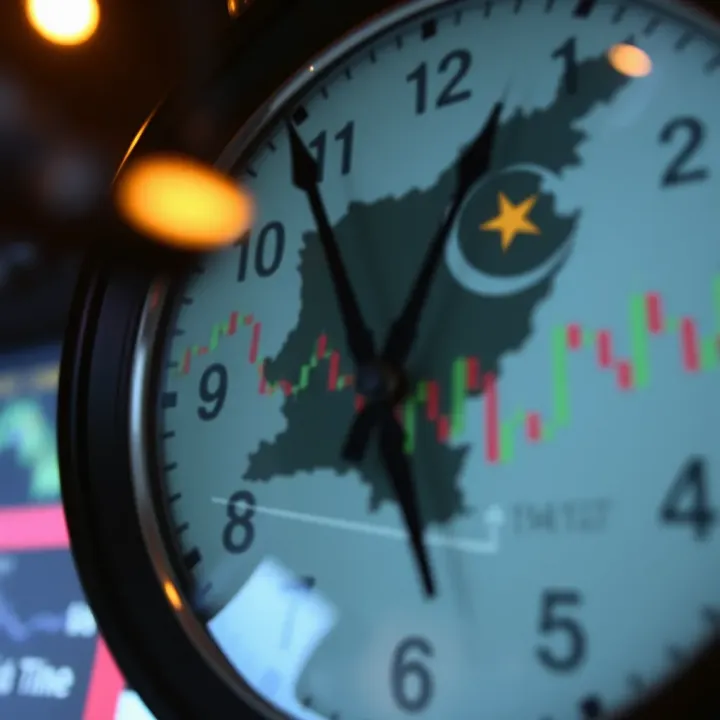
Session hours for Pakistani traders: The New York session runs from 9:00 am to 6:00 pm PKT. Pakistani traders often face the challenge of trading late into the night, but the session's significance comes from its high volatility and liquidity, especially when it overlaps with the London session in the first few hours.
Currency pairs and volatility during this time: Major pairs involving the US dollar (USD), such as USD/CAD, USD/JPY, and EUR/USD, tend to experience heightened volatility. News releases from the US economy during this time often trigger strong price moves. Traders who adjust their timing for this session can capitalise on these rapid price changes for potential profits.
London-New York overlap as peak trading period: The overlap between the London and New York sessions, roughly from 9:00 am to 1:00 pm PKT, is considered the peak forex trading period. During this time, liquidity surges, spreads shrink, and price volatility often spikes. This overlap offers the best conditions for active trading strategies and high-volume transactions.
Opportunities during Asian-European overlap: The overlap between the Asian and European sessions, from around 4:00 am to 9:00 am PKT, sees moderate trading activity. While volatility is generally lower, this period offers good opportunities to follow trends that start in the Asian session and prepare for the bigger moves expected during the European open.
Trading with awareness of these differing sessions allows Pakistani traders to pick suitable times and currency pairs based on their trading style, from early morning swings in the Asian session to the intense action during overlaps.
Asian session focuses on JPY, AUD, NZD pairs
European session features EUR, GBP activity with increased volume
New York session sees high USD pair volatility
Overlaps create peak liquidity and volatility windows
By matching your trading schedule to these sessions, you can tap into patterns that suit your risk tolerance and objectives.
Understanding how forex trading hours influence market behaviour helps traders anticipate price movements and plan their strategies better. The forex market doesn’t behave uniformly throughout the day; it changes according to which global financial centres are active and how their sessions overlap. This affects volatility and liquidity, both critical for successful trading.
When trading sessions overlap, such as the London-New York overlap, the market sees a surge in trading activity and price fluctuations. This period usually runs between 2:30 pm and 5:30 pm PKT, offering the highest liquidity and volatility. For example, currency pairs like EUR/USD and GBP/USD show sharp price moves during this overlap, creating opportunities for traders to catch bigger price swings. Pakistani traders who can trade during these hours often find it easier to enter and exit positions with favourable spreads and tighter stops.
The Asian-European overlap, though shorter and less intense than the London-New York overlap, also creates a brief window of higher volatility, especially impacting JPY and other Asian currencies. Traders looking for quick trades might target these overlaps for scalping opportunities.
In contrast, the late New York session and early Asian session tend to be quieter with fewer participants. This results in lower price movements and a narrower trading range. For instance, from around 9:00 pm to 11:00 pm PKT, you may notice that currency pairs trade sideways with little momentum. During such times, spreads might widen, and stop orders become more prone to slippage.
Trading in these quiet periods generally suits long-term strategies or traders preferring less noisy conditions, such as swing traders who aim to avoid whipsaws. However, the limited price action may reduce the chances for short-term gains.
Liquidity, or the ease with which a trader can buy or sell assets without affecting the price, fluctuates strongly with trading sessions. Higher liquidity during peak hours narrows spreads—the difference between the buying and selling price—making trades cheaper. For example, during London-New York overlap, spreads for EUR/USD often drop to as low as 0.5 pips, benefiting traders by lowering transaction costs.
Conversely, during low liquidity times, like the early Asian session, spreads can widen significantly. This not only increases trading costs but can also slow trade execution, leading to slippage where orders fill at worse prices than expected. Traders using high-frequency trading strategies must be particularly mindful of this.
Pakistani forex traders face unique challenges like loadshedding and varying internet reliability, so they should focus on trading during high liquidity periods to minimise risks related to poor execution. Trading when liquidity is high ensures faster order fills and reduces the chance of sudden price spikes caused by thin market conditions.
Moreover, many Pakistani traders who rely on platforms like MetaTrader or local brokers linked to global liquidity providers find that working within major session hours aligns better with the brokers’ optimal pricing and order matching. This synergy helps avoid frustrating scenarios where orders get delayed or suffer from unexpected slippage, especially during volatile economic announcements.
Focusing on liquidity and volatility patterns during different forex sessions helps Pakistani traders plan trades wisely, manage risks, and improve overall profitability.
By understanding these behavioural changes in the forex market over the trading day, traders can adapt their strategies to harness favourable conditions or steer clear of potential challenges.
Choosing the right trading strategy according to forex session timings is essential for maximising profits and managing risks effectively. Each trading session has distinct characteristics, including liquidity and volatility levels, which significantly influence the success of different strategies. For Pakistani traders, understanding when the Asian, European, and North American markets open and close enables better alignment of their activities with optimal trading windows.
Trading during the daytime provides the benefit of being alert and responsive, which is crucial for strategies requiring quick decision-making. For example, the Asian session (Tokyo and Hong Kong markets) coincides with Pakistan Standard Time (PKT) from around 5 am to 2 pm, making it accessible for traders who prefer morning to early afternoon schedules. In contrast, the European and North American sessions start in the afternoon and extend into late night in PKT, which might not suit everyone’s lifestyle.
Night trading has its challenges, such as fatigue and slower reaction times, but also advantages. For instance, the London-New York overlap, occurring roughly between 8 pm and midnight PKT, is the most volatile period with many opportunities for active traders. Those willing to trade nights can leverage this period for scalping or other short-term strategies that depend on sudden price movements.
Balancing trading hours with daily commitments is critical. Many Pakistani traders have jobs or studies during the day, limiting their availability for active trading in the Asian or European sessions. In such cases, focusing on the North American session might be more practical. Using technological aids like platform alerts and mobile trading apps can also help traders participate flexibly.
It’s essential to pick sessions that not only fit your schedule but also match your risk tolerance and strategy style. For instance, if you tend to analyse markets deeply before entering a trade, calmer periods during the Asian session may suit you better. Those comfortable with quick decision-making might prefer more volatile overlaps like London-New York times.
The London-New York overlap is known for its heightened volatility and liquidity, creating ideal conditions for scalping—making numerous small trades to benefit from minor price shifts. Pakistani traders can use tight stop losses and short timeframes to capture quick profits. For example, currency pairs like EUR/USD or GBP/USD usually experience sharp price swings during this overlap, providing multiple entry and exit points.
However, scalping demands constant attention and quick execution, which may not be feasible for everyone. Traders need to account for spreads and possible slippage during volatile times, choosing brokers with low transaction costs and fast platforms.
Conversely, swing trading involves holding positions for several hours to days, aiming to capitalise on sustained trends. Calmer periods such as the early Asian session before the European open are suitable for this approach because price movements are steadier and less erratic. Pakistani traders benefit from analysing daily charts and leveraging these quieter times when the markets tend to consolidate.
Swing trading demands patience and less screen time compared to scalping, making it suitable for those balancing trading with other commitments. For example, a trader might open a position in the EUR/JPY pair during the Asian session's quieter hours and hold till the next major market opens.
Matching your trading strategy to session timings helps you work smarter, not harder. Whether scalping or swing trading, timing matters for maximising opportunities and managing risks effectively.
By planning your forex trading around session hours, you align your approach with market behaviour, improving your chances of success while maintaining a healthy balance with daily life in Pakistan.
Forex trading hours are not set in stone; they shift and adjust due to several factors that traders should watch closely. For Pakistani traders, understanding these influences helps in planning trades better and avoiding dead zones of the market. Key factors include daylight saving time (DST) changes across the globe and public holidays in major financial centres. Both affect market liquidity and volatility, impacting the best times to trade.
DST means clocks move forward or backward by an hour during certain periods of the year in many countries, including major forex markets like the US and Europe. Pakistan itself does not observe DST, so when these markets shift their clocks, the usual forex session timings shift for local traders too. For example, when the US switches to DST, the New York session starts an hour earlier by Pakistan Standard Time (PKT).
This shift can catch traders unawares if not tracked carefully. It changes when the busiest trading overlaps happen, affecting liquidity and price movement. If a Pakistani trader sticks to old session timings, they might miss peak volatility or enter trades during quieter periods, leading to poorer trade execution and wider spreads.
Adjusting your trading clock accordingly means recognising these DST changes and updating your trade schedule. Use trusted financial calendars or platform notifications to track when markets begin or end DST. For instance, during US daylight saving (starting second Sunday of March), the New York session opens at 6:30 pm PKT instead of 7:30 pm. Ignoring this can result in missed opportunities, especially during the crucial London-New York overlap.
Public holidays in key markets like the US, UK, Japan, or the European Union often lead to partial or complete closures of forex trading sessions. These holidays reduce market participation and liquidity, sometimes causing unexpected volatility or very low price movement. For example, during Eid or Christmas in Europe, the London market may close or operate on a half-day.
Trading during these low-liquidity periods can be riskier. Spreads widen, execution gets slower, and price swings can be erratic. For Pakistani traders, it’s critical to check the holiday calendars of major markets. Reliance on standard session hours without adjusting for holidays may create a wrong impression that the market is active, leading to poorly timed trades.
Planning trades around holiday periods helps mitigate such risks. Traders can decide to reduce position sizes, avoid opening new trades, or use automated stop-loss orders as safeguards. Moreover, anticipating quiet periods lets you focus on analysis, strategising for the anticipated market rebound when regular hours resume. Keeping an eye on global holiday schedules ensures you stay ahead and trade smarter.
Being aware of daylight saving changes and public holidays allows traders in Pakistan to maintain accurate trading schedules, avoid liquidity traps, and capitalise on true market opportunities. These adjustments are important steps in disciplined forex trading.
DST shifts affect session start/end times in PKT, requiring schedule updates.
Major market holidays reduce liquidity; markets may close partially or fully.
Monitoring these factors helps avoid low liquidity risks and timing errors.
Adjusting trading plans during these periods safeguards against unexpected losses.
By keeping these factors in mind and actively updating trading hours, Pakistani traders can navigate forex markets more effectively and with greater confidence.
Navigating forex trading hours effectively is key for Pakistani traders aiming to maximise opportunities and avoid unnecessary risks. Understanding when to trade, combined with technology and practical adjustments for local challenges, can make a real difference in results. This section shares actionable advice to help traders stay on top of session changes and maintain smooth trading despite Pakistan’s unique circumstances like loadshedding.
Most modern trading platforms used in Pakistan, such as MetaTrader 4 or 5 and cTrader, come with built-in session indicators. These visuals highlight active market hours, making it easier to spot when major sessions like London or New York open or close. For instance, while the London session tends to be most volatile around 3:30 pm to 11:30 pm PKT, a session indicator helps you pinpoint this window exactly so you can plan your trades accordingly.
Beyond simple platform features, there are plenty of mobile apps and web tools designed to convert world time zones to Pakistan Standard Time (PKT). Since forex sessions shift due to global daylight saving time changes, having a reliable an app that updates this automatically keeps your trading clock accurate. Using a time zone converter reduces the risk of missing critical entry or exit points just because of a miscalculation in session timing.
Choosing the right trading windows means matching forex market activity with your daily routine and Pakistan’s power supply patterns. The London and New York overlaps offer high liquidity but coincide with late evening to early morning hours in Pakistan. If you have daytime commitments, focusing on the Asian session, which runs during working hours, could fit better. This way, you avoid disrupting your sleep or missing essential family time.
Loadshedding remains a real challenge for many traders outside major cities. Having backup plans like a UPS (uninterruptible power supply) or an internet backup connection—say a mobile 4G router—can save you from costly downtime. Also, some traders pre-plan trades or use automated trading systems that execute positions even when power or connectivity fails. Keeping these preparations in place ensures your trading does not halt unexpectedly during key market moves.
Managing your forex trading hours with proper tech support and consideration for local issues such as loadshedding can improve both your trading discipline and results in the Pakistani market context.
By combining smart technology choices with practical scheduling and contingency plans, Pakistani traders can effectively manage the challenges forex trading hours pose. This approach not only boosts efficiency but also lowers stress, making forex trading a sustainable part of daily life.
Looking for the best forex trading platform in Pakistan? Discover top features, security tips, and cost comparisons to match your trading style and needs! 💹🇵🇰
Looking for the best forex trading app in Pakistan? Discover top-rated platforms with reliable features, easy use, and secure trading options 📱💰
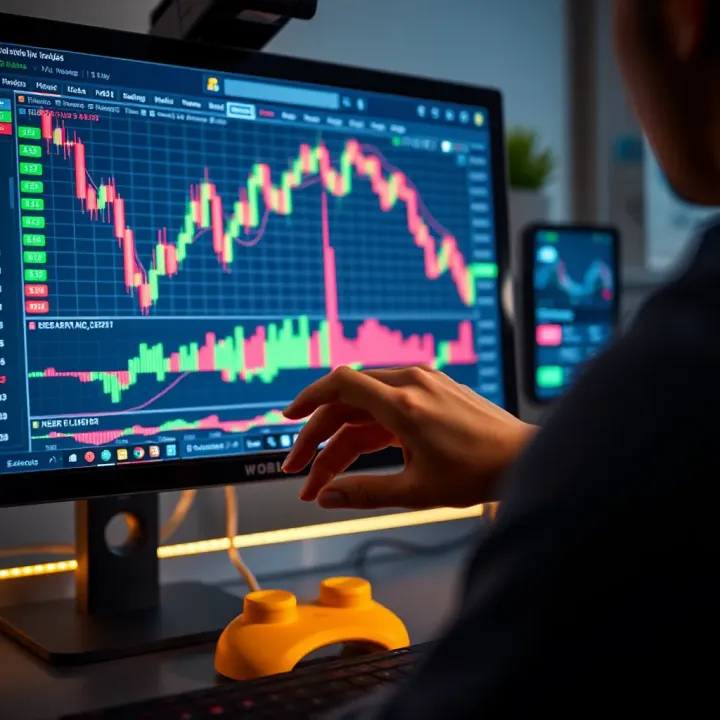
Looking to trade forex in Pakistan? 📉 Explore the top platforms with insights on features, security, and broker options for confident trading.
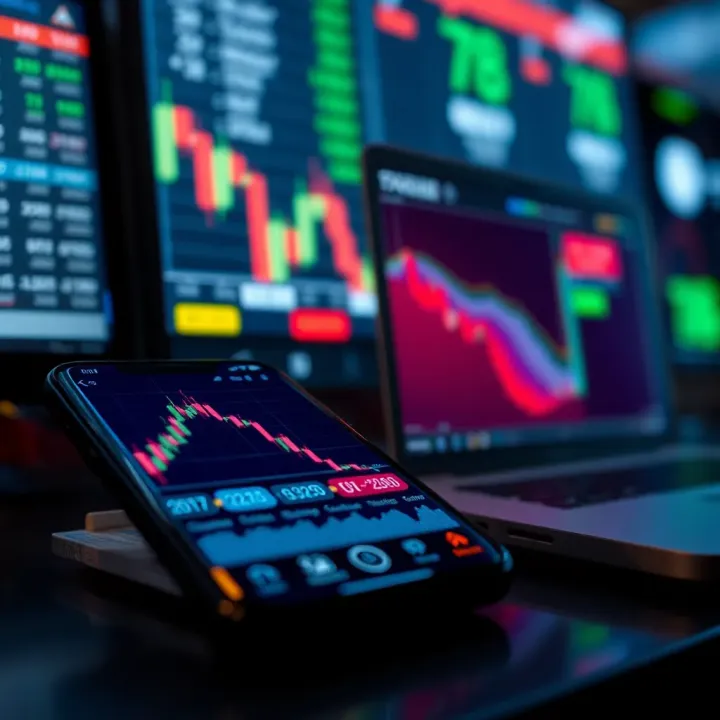
📱 Discover the top forex trading apps for traders in Pakistan! Learn key features, compare leading platforms, and start trading successfully on your mobile today.
Based on 12 reviews