
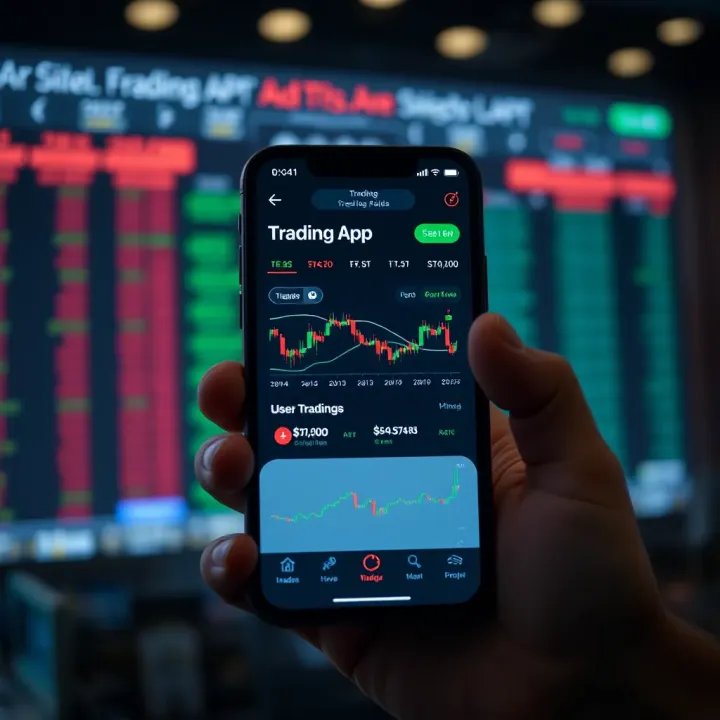
Choosing the Best Trading App for Pakistani Investors
🔍 Find out how to pick the right trading app in Pakistan with tips on features, security, costs & regulations—make smarter investment choices today! 📈
Edited By
Sophie Bennett
Forex trading, or foreign exchange trading, has become increasingly popular among Pakistanis looking to diversify their investments beyond traditional markets. This form of trading involves buying and selling currencies to profit from changes in exchange rates. Unlike the stock market, forex trading operates 24 hours a day, giving traders the flexibility to participate anytime, especially useful for those balancing jobs or studies.
In Pakistan, where rupee fluctuations and economic uncertainties create both challenges and opportunities, learning the basics of forex can be quite advantageous. However, without a solid foundation, beginners often face common pitfalls such as overtrading, poor risk management, and falling for scams. This guide aims to provide a clear, practical introduction that helps you avoid those traps.
You will get to know:
How the forex market works and the key players involved
The major currency pairs relevant for trading
Basic trading strategies suitable for beginners
Simple risk management methods to protect your capital
Steps to start trading using platforms favoured in Pakistan, like MetaTrader 4 and local brokers regulated by the Securities and Exchange Commission of Pakistan (SECP)
Remember, forex trading is not a quick way to get rich; it demands discipline, continuous learning, and cautious decision-making.
This course focuses on practical knowledge rather than theoretical jargon, preparing you to trade confidently in real market conditions. Whether you're a trader, investor, or financial analyst, understanding forex adds a valuable dimension to your portfolio strategy. Let's start building your forex trading skills the right way.
Getting a clear introduction to forex trading is essential before diving into this market. Forex trading involves exchanging one currency for another with the aim of making a profit from changes in exchange rates. For beginners, understanding the basics helps avoid costly mistakes and build confidence in their trading decisions. This section focuses on what forex trading is, why it matters, and how it works in practical terms.
Forex trading is simply the process of swapping one country's currency for another. For example, if a trader expects the US dollar (USD) to strengthen against the Pakistani rupee (PKR), they might buy USD/PKR expecting to sell it later at a higher price. This currency exchange happens every second around the world and forms the backbone of international trade and investment.
This concept matters because exchange rates fluctuate constantly due to economic events, government policies, and market sentiment. Spotting these changes early offers traders a chance to profit. Imagine you buy euros when one euro equals Rs 190, but after some time due to economic news, the rate increases to Rs 195. Selling the euros at this point earns you a profit from the difference.
In forex, currencies are always traded in pairs — the first is the base currency, and the second is the quote currency. Major pairs involve the most traded currencies globally, like USD/EUR, USD/JPY, or GBP/USD. These pairs generally have more liquidity, tighter spreads, and less volatility, making them popular among beginners and seasoned traders.
Minor pairs involve less traded currencies but still include important ones like USD/TRY or GBP/AUD. These might offer different profit potentials but generally carry higher risk. For Pakistani traders, understanding pairs like USD/PKR or EUR/PKR is vital since the rupee’s value impacts import-export prices and remittance flows.
The forex market runs 24 hours a day from Monday to Friday because it spans multiple time zones around the world. It opens in Asia before moving to Europe and then the US. This near-continuous trading allows participants to react quickly to global economic news and events.
However, market activity varies through the day. For instance, the overlap between London and New York trading sessions sees higher volume and volatility, creating good opportunities for active traders. Meanwhile, the Pakistani market timing means many local traders find early afternoon to evening slots more convenient for trading global markets.
The Pakistani rupee often experiences volatility because of economic challenges, trade imbalances, and political developments. Such fluctuations create trading opportunities as price swings can be significant. For example, during certain months, the rupee might depreciate from Rs 280 to Rs 300 per USD, offering traders chances to profit if they predict the movement correctly.
This dynamic makes forex appealing for those observant of economic news and trends. By learning to navigate these moves, traders can not only safeguard assets against currency risk but also grow their capital through calculated trades.
Thanks to internet penetration and smartphone use, forex trading has become more accessible in Pakistan. Platforms like MetaTrader, along with local brokers, allow users to open accounts, practice on demo versions, and trade live from anywhere. This easy accessibility removes traditional barriers like physical brokerage offices or lengthy paperwork.
Online platforms also provide real-time charts, news feeds, and analysis tools helping traders make informed choices. For many Pakistanis, trading forex from home or office fits well with existing routines and reduces costs like commuting or hiring agents.
Forex trading offers the possibility to earn extra income besides a regular job or business. Since it requires relatively low capital to start and allows using leverage responsibly, even small investments can lead to noticeable returns. For example, a start with Rs 50,000 and careful strategy can gradually build gains over months.
That said, it’s not a get-rich-quick scheme. Successful trading takes learning, patience, and managing risks wisely. Still, for many Pakistanis facing unstable economic conditions or layoffs, forex trading provides a practical option to supplement income without leaving home.
Starting forex trading requires knowledge but opens up realistic chances for financial growth, especially for observant and disciplined individuals willing to learn Pakistani market nuances and global trends.
Understanding key concepts lays the foundation for any trader, especially those just starting out in the forex market. A free forex trading course focusses on these essential ideas to ensure you grasp the terminology and tools, plus techniques of analysis that help you make informed decisions and avoid costly mistakes.
Knowing terms like pips, lots, leverage, and margin is vital before placing any trade. A pip represents the smallest price movement in currency pairs, and traders often watch movements in pips to measure profitability. A lot defines trade size: a standard lot equals 100,000 units of a currency, but many brokers offer mini or micro lots to suit smaller accounts. For example, if you buy one mini lot of the USD/PKR pair, you’re trading 10,000 US dollars against Pakistani rupees.
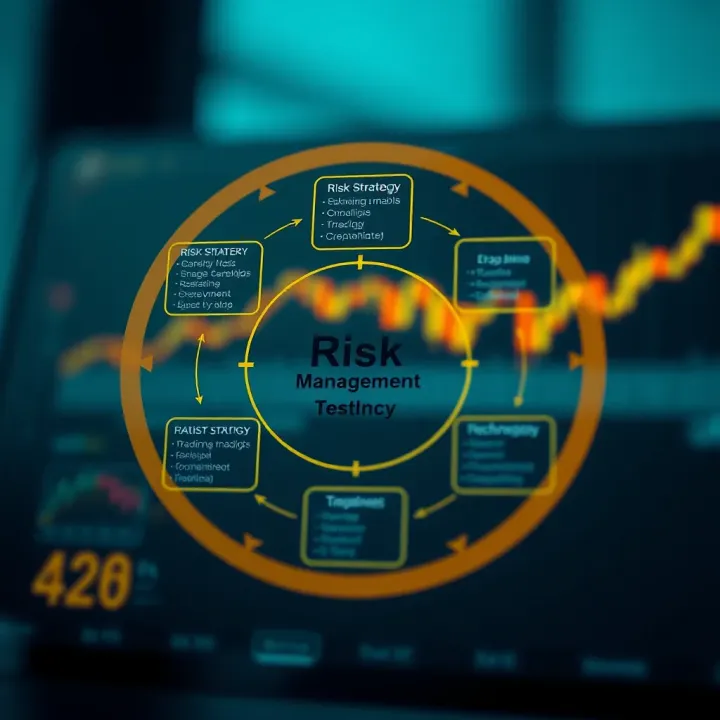
Leverage lets you control a larger position with a smaller amount of capital, magnifying both profits and losses. For instance, with 1:100 leverage, you can trade Rs 100,000 worth of currency with just Rs 1,000 margin. The margin is the amount of money you need in your account to open a trade. Managing leverage carefully is crucial because excessive leverage often leads to heavy losses.
Traders also use various orders to control their entry and exit from trades. A market order executes immediately at the current price. A limit order lets you set a desired price to buy or sell, activating only when the market reaches that level. Meanwhile, a stop-loss order automatically closes a trade at a specified price to limit potential losses. For example, if you buy EUR/USD at 1.1000, you might set a stop-loss at 1.0950 to cap your loss at 50 pips.
Using reliable trading platforms and charts helps you monitor price movements and execute trades smoothly. Platforms like MetaTrader 4 or 5 provide user-friendly access and real-time market data, including candlestick charts that reveal price patterns. Charts help spot trends and support/resistance levels critical in decision-making. Pakistani traders often depend on these platforms both on desktop and mobiles for convenience with fluctuating internet quality.
Economic indicators such as GDP growth, inflation, interest rates, and employment figures affect currency values directly. The State Bank of Pakistan’s monetary policy decisions, for example, often cause the rupee to move notably against the dollar. Following these releases and understanding their impact allows traders to anticipate market shifts rather than react blindly.
Chart patterns and technical indicators like Moving Averages, RSI (Relative Strength Index), and Fibonacci retracements guide traders to identify entry and exit points. For instance, spotting a ‘double top’ pattern on the USD/PKR chart might signal a potential price reversal, allowing you to plan trades accordingly.
Above all, developing market insight means combining knowledge from fundamentals and technical analysis with experience to understand market moods. This insight doesn’t come overnight; it grows by observing how news affects price action and practising strategies in real or demo accounts. Keeping a trading journal that records your decisions and their outcomes helps sharpen this intuition over time.
Grasping these key concepts early on empowers you to trade forex confidently and minimise rash mistakes, especially within Pakistan’s dynamic forex environment.
By focusing on these basics, a free forex trading course sets a practical groundwork. It equips you to take part in forex markets with clarity about tools, analysis, and risk – critical for both new and intermediate traders.
Having a solid strategy is key for anyone new to forex trading. This helps you avoid common pitfalls and trade with a plan instead of guesswork. Especially for beginners in Pakistan, understanding effective strategies improves confidence and reduces risky behaviour in a volatile market.
Identifying market trends is the backbone of many successful trading strategies. A trend shows the general direction of price movement—up, down, or sideways—over a period. For instance, if the Pakistani rupee is consistently weakening against the US dollar over several weeks, that's a downtrend. Traders use tools like moving averages or trendlines to spot these patterns. Following a trend means you try to buy as the price rises (in an uptrend) or sell as it falls (in a downtrend), improving your chance of riding the wave rather than fighting it.
Using support and resistance levels adds precision to your trades. Support is a price level where demand prevents further decline, while resistance is where supply stops the price from climbing higher. For example, if the USD/PKR often bounces up after touching Rs 280, that level acts as support. Traders place buy orders near support and sell near resistance, or watch for a breakout when the price moves beyond these levels, signalling a strong move. Knowing these levels helps avoid entering trades at poor prices and gives you clear points to place stops or targets.
Setting stop-loss and take-profit points is crucial to protect your funds and lock in gains. A stop-loss limits loss if the trade goes against you, while a take-profit automatically closes the trade once it hits a profitable level. Suppose you buy EUR/USD at 1.1000; you might set a stop-loss at 1.0950 to limit a Rs 500 loss and take-profit at 1.1100 for a Rs 1,000 gain. This discipline stops emotions from taking over, especially during sudden market shifts.
Managing leverage responsibly means using borrowed funds carefully. Leverage lets you control a large position with a small amount of money, like 1:50 or 1:100 offered by brokers. While it can multiply profits, it also magnifies losses. Treat leverage like a double-edged sword: start with low leverage to avoid hefty losses. For example, if you use 1:10 leverage on Rs 10,000, you’re trading Rs 100,000. A small unfavourable movement can wipe out your capital, so don't risk more than you can afford to lose.
Calculating position size helps control risk on every trade. This means deciding how many units or lots to buy or sell based on your account balance and risk tolerance. If you follow the rule of risking 2% of your Rs 50,000 account per trade, that’s Rs 1,000 at risk. By knowing the stop-loss distance, you calculate the exact lot size that keeps your loss within Rs 1,000 if the price hits your stop. Careful position sizing ensures no single trade damages your total capital and keeps your trading sustainable.
Effective strategies paired with strong risk management form the foundation of steady forex trading growth. They protect your money while helping you make the most of market opportunities.
By applying these strategic elements with discipline, beginners can improve their chances of consistent profits, even in Pakistan's fluctuating market conditions.
Starting forex trading in Pakistan requires careful planning to avoid common pitfalls. Following practical steps ensures a smoother entry into the market and better chances of success, especially for beginners. This section covers key actions like selecting the right broker, practising through demo accounts, verifying your account properly, and managing deposits and withdrawals confidently.
Choosing a broker regulated by a credible authority protects you from fraud and malpractice. While Pakistan itself does not yet have a strong forex regulator, selecting brokers regulated by international authorities like the Financial Conduct Authority (FCA) or the Australian Securities and Investments Commission (ASIC) adds a layer of security. For example, brokers authorised by these regulators must follow strict rules on client fund segregation and fair trading practices.
Always check if the broker is registered with Pakistan's Securities and Exchange Commission (SECP) for local legitimacy. This helps ensure compliance with Pakistani laws and smoother transactions, especially when dealing with local currency deposits.
Forex brokers make money through spreads (the difference between buy and sell price) and commissions per trade. Lower spreads reduce your trading costs, allowing you to keep more profits. For instance, a broker offering spreads of 1 pip on major pairs like USD/PKR is more cost-effective than one with 3 pips.
Commissions vary; some brokers charge zero commissions but offer wider spreads, while others have narrow spreads but charge a fixed fee per lot. Understanding these fees helps you pick a broker that fits your trading style and budget. Transparency about these costs especially matters if you plan frequent trading or scalping.
Demo accounts let you trade with virtual money, mirroring real market conditions without risking your funds. This helps you understand platform features and test strategies. For example, platforms like MetaTrader 4 or 5 offer demo accounts that behave like live markets.
Spend enough time practising, avoiding the rush to switch to live accounts. Many beginners lose money because they start live trading without sufficient practice. Demo trading also helps you become familiar with risk management tools such as stop-loss and take-profit orders.
Pakistani regulations require account verification using a valid Computerised National Identity Card (CNIC) and sometimes additional documents like a utility bill or bank statement. Verification prevents fraud and aligns with anti-money laundering rules.
Some brokers also require a video or live call verification, especially when dealing with overseas firms. Ensuring your documents are ready and submitted timely can prevent delays in trading activation.
Check the broker’s available payment methods before opening an account. Many brokers support local bank transfers, credit/debit cards, and popular Pakistani e-wallets like JazzCash and Easypaisa. These options make transactions easier and faster.
Withdrawal policies also matter. Some brokers impose limits or charges on withdrawals, which can eat into your profits. For example, a broker charging 2% on withdrawals or limiting monthly transfers to $500 may not suit active traders. Confirm these details and prefer brokers with transparent, reasonable policies.
Taking these practical steps seriously can save you plenty of hassle and costs. Proper broker selection, practising smartly, and handling account setup with care creates a strong foundation for successful forex trading in Pakistan.
Forex trading can be rewarding but also risky if common pitfalls are ignored. Understanding challenges like overleveraging, emotional bias, and market volatility helps traders minimize losses and improve decision-making. In Pakistan's forex market, where rupee fluctuations add complexity, recognising these issues is even more important for sustained success.
The temptation to use high leverage—borrowing a large amount to increase potential profits—can be dangerous. Many beginners make the mistake of overleveraging their accounts, exposing themselves to huge losses with a small market move. For example, a 1:100 leverage means a 1% drop wipes out the entire capital. To avoid this, maintain conservative leverage, ideally 1:10 or lower, and adjust position sizes carefully. This approach safeguards your capital from rapid depletion during sudden market swings, especially in volatile currency pairs like USD/PKR.
Emotions such as fear, greed, and hope can cloud a trader’s judgement. Emotional bias often leads to impulsive decisions—for instance, holding losing positions too long or exiting winners prematurely. Pakistani traders might experience this during economic events affecting the rupee, where fear causes panic selling or greed pushes for excessive risk. Keeping a clear mind and following a strict trading plan helps reduce emotional interference. Techniques like maintaining a trading journal to log decisions and outcomes assist in recognising patterns of emotional bias.
Forex markets can shift rapidly due to political developments, economic data releases, or changes in monetary policy, making volatility a big challenge. Pakistani traders must be prepared for sudden swings, especially around economic announcements such as SBP interest rate decisions. One practical method is to use stop-loss orders to limit downside risk and avoid entering trades just before major events. Understanding volatility also means being patient; not all market movements need to be traded. Sometimes, waiting for clearer trends reduces unnecessary exposure and preserves capital.
Successfully navigating forex trading depends not only on strategies but also on managing human nature and the unpredictable markets. Avoiding common mistakes improves your chance to trade consistently and profitably.
By recognising and handling these common challenges, Pakistani traders can build a resilient trading approach that withstands daily ups and downs in the forex market.
Forex trading doesn't end once you complete a course. The markets keep changing, new strategies emerge, and economic conditions shift, especially in a place like Pakistan where currency fluctuations happen frequently. Continuing your education helps you stay sharp and adapt accordingly. Without ongoing learning, even experienced traders might fall prey to outdated methods that no longer work.
Keeping up with online resources broadens your understanding far beyond the basics taught in a course. Websites like Investing.com, Forex Factory, and local forums such as Pakistani Forex Traders Forum provide up-to-date information on market trends, broker reviews, and user experiences. These platforms let you interact with fellow traders, ask questions, and learn from their successes and mistakes.
Forums foster a community feel and often discuss specific issues faced by Pakistani traders, such as banking restrictions on forex withdrawals or legal considerations. This practical insight is invaluable for navigating your trading journey.
Real-time news impacts currency values directly. Following economic developments through sources like Business Recorder, Dawn Business, or international agencies ensures you don’t miss critical events. For example, decisions by the State Bank of Pakistan (SBP) about interest rates or political events can cause sudden market swings.
Daily analysis reports help interpret these movements, turning raw data into actionable trade ideas. Setting up alerts on currency news can give you a timely advantage, reducing reaction time during volatile sessions.
A trading journal records each trade's details: entry and exit points, reasoning, profit or loss, and emotional state. Maintaining this helps you learn from both success and failure, identifying patterns in your behaviour or strategy effectiveness. For instance, you may notice a tendency to exit trades too early during volatile periods.
Journals create accountability and encourage disciplined practice—both crucial for consistent trading results over time.
The forex market is dynamic; what worked last month might fail today. Reviewing your journal and results regularly helps spot underperforming strategies or changing market conditions. Adjusting your approach, such as tweaking stop-loss levels or experimenting with new chart indicators, keeps you responsive.
Traders who evolve their methods based on evidence tend to manage risk better and secure steady profits, unlike those who stick stubbornly to one approach despite losses.
Staying active in learning after your initial course allows you to face real trading challenges with greater confidence, reducing costly mistakes and improving your chances for success.
Continuing your Forex education ensures you build a professional trading mindset suited to Pakistan's unique economic environment.
🔍 Find out how to pick the right trading app in Pakistan with tips on features, security, costs & regulations—make smarter investment choices today! 📈
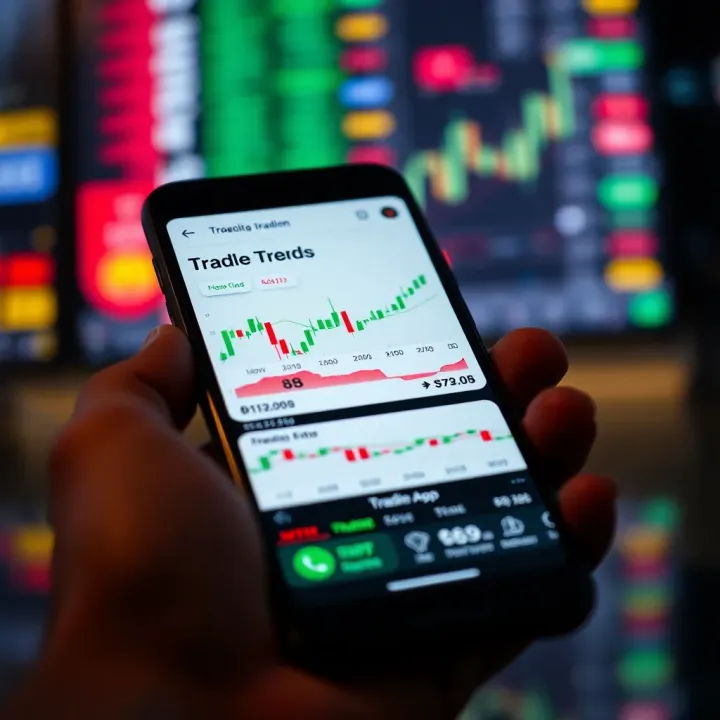
Explore top trading apps in Pakistan 📱 Compare features, security 🔒, regulations ⚖️, and user experience to find the perfect platform for smart investing 📈.
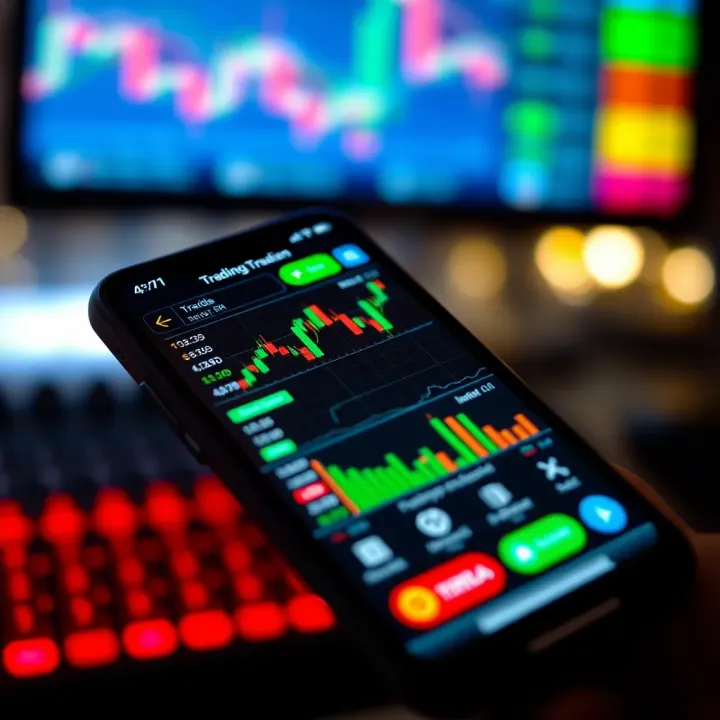
📈 Find the best trading app for beginners in Pakistan! Learn key features, compare top apps, and get tips to trade smart and avoid mistakes.
Explore Pakistan's top trading apps 📱 with detailed insights on features, fees, security, and ease of use. Find the perfect app for your trading style! 📈
Based on 9 reviews